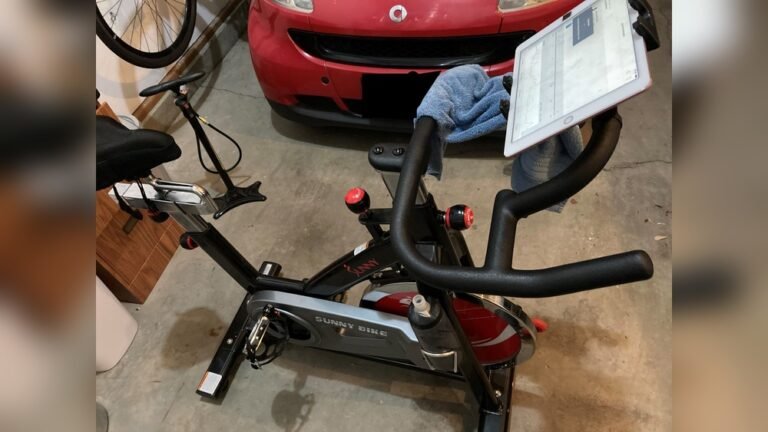
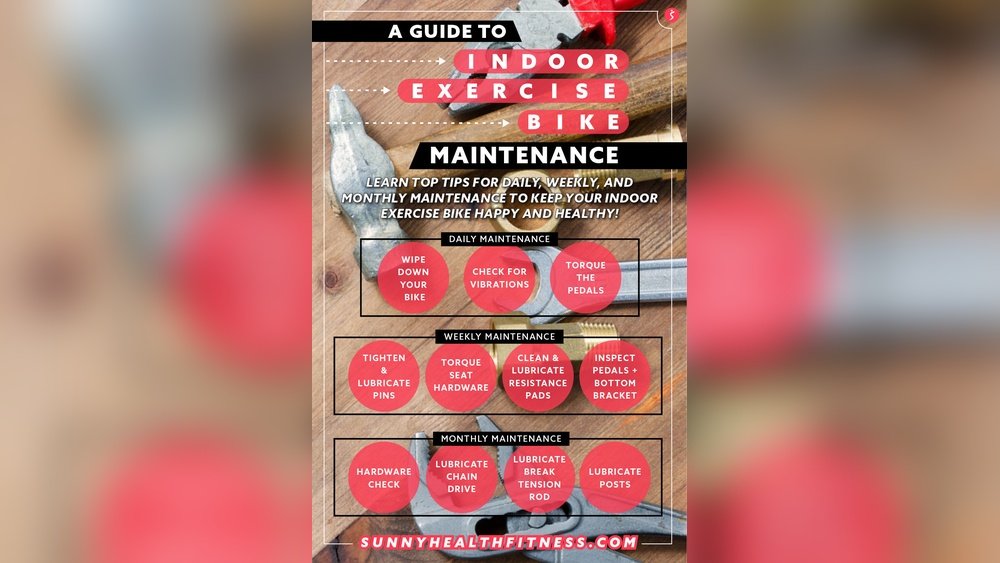
You’ve invested in a spin bike to boost your fitness, but are you giving it the care it needs to keep performing at its best? Just like any piece of equipment, your spin bike thrives on regular maintenance.
Without it, you might face squeaky noises, stiff pedals, or even costly repairs that could have been avoided. The good news? Maintaining your spin bike doesn’t have to be complicated or time-consuming. You’ll discover simple, effective tips to keep your bike smooth, quiet, and ready for every workout.
Stick with us, and you’ll learn how to protect your investment and enjoy a better ride every time you hop on.
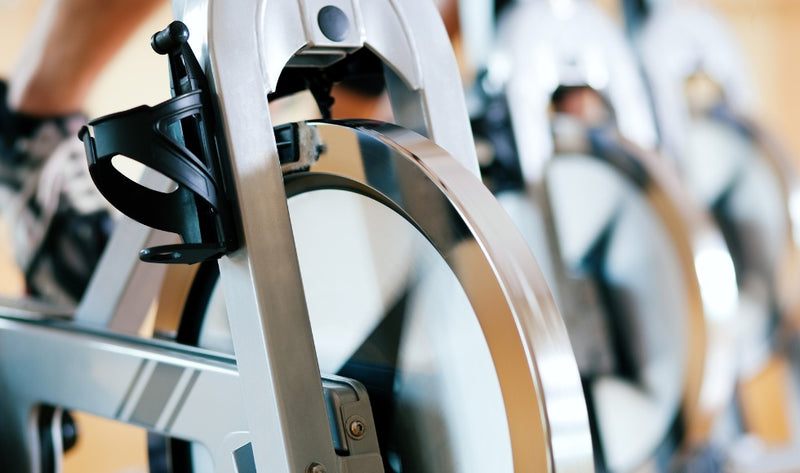
Credit: homegymsupply.co.uk
Daily Cleaning
Daily cleaning of your spin bike keeps it working well and looking fresh. It removes dirt and sweat that can cause damage over time. Simple cleaning steps every day help extend the life of your bike. Spend a few minutes after each workout to keep your bike in top shape. This routine makes your exercise more enjoyable and safe.
Wipe Down Frame And Handlebars
Use a soft cloth to wipe the frame and handlebars. This removes dust and sweat that build up during workouts. Avoid harsh chemicals that can damage the paint or metal. A damp cloth with mild soap works best. Dry the surfaces to prevent rust and keep the bike looking clean.
Remove Sweat Residue
Sweat can corrode metal parts and wear out padding. Wipe all areas exposed to sweat right after use. Pay close attention to the seat, pedals, and resistance knob. Use a clean cloth to soak up moisture quickly. This helps prevent unpleasant odors and keeps your bike hygienic.
Check Water Bottle Holders
Water bottle holders collect dust and spills. Check them daily for dirt or sticky residue. Clean with a damp cloth to avoid mold or bacteria growth. Make sure holders are tight and secure. Loose holders can cause your bottle to fall during exercise.
Credit: spinning.com
Weekly Lubrication
Weekly lubrication is key to keeping your spin bike running smoothly. It helps reduce friction and prevents parts from wearing out fast. Regular oiling and greasing ensure a quieter and more comfortable ride. This simple step extends the life of your bike and keeps it safe to use.
Oil Pedal Threads
Start by applying lubricant to the pedal threads. This stops the pedals from sticking or making noise. Use a bike-specific oil for best results. Remove the pedals, apply a small amount of oil, and then reattach them tightly. This prevents rust and keeps pedaling smooth.
Lubricate Seat And Handlebar Posts
Next, lubricate the seat and handlebar posts. These parts slide up and down during adjustments. Oil stops them from squeaking and makes adjustments easier. Wipe off any old dirt first. Apply a thin layer of grease or oil, then move the posts up and down to spread it evenly.
Maintain Brake Tension Assembly
The brake tension assembly controls how hard you pedal. It needs to move freely to work well. Clean off dust and dirt before applying lubricant. Use a dry lubricant or light oil to avoid attracting grime. Regular care here keeps resistance smooth and responsive.
Monthly Inspection
Monthly inspection keeps your spin bike safe and working well. Checking key parts regularly stops small problems from growing. This simple habit helps your bike last longer and perform better. Spend time each month to make sure all parts are tight, clean, and in good shape.
Tighten Nuts And Bolts
Loose nuts and bolts cause noise and unsafe rides. Use a wrench to check every bolt on your spin bike. Focus on the pedals, handlebars, seat, and frame joints. Tighten them until they feel firm but avoid over-tightening. This keeps your bike stable and prevents damage.
Examine Drive Chain Or Belt
Look at the drive chain or belt for dirt and tension. A clean chain or belt runs smoother and lasts longer. If your bike has a chain, wipe it with a dry cloth and apply light lubricant. For belt drives, check for cracks or fraying. Replace worn belts to maintain a smooth ride.
Check For Wear And Tear
Inspect pedals, seat, and handlebars for signs of damage. Cracks, worn grips, or loose parts reduce comfort and safety. Replace worn pedals or grips to improve your ride. Also, check the brake system to ensure it works well. Fixing small wear issues early saves money and effort.
Brake System Care
The brake system is vital for your spin bike’s safety and performance. Proper care keeps the resistance smooth and reliable. Regular attention prevents wear and tear that can affect your workout quality.
Check the brake system often to ensure it works well. Clean parts and adjust tension for better control. Replace worn components to avoid damage and maintain safety.
Clean Brake Pads
Brake pads collect dust and sweat, which reduce their grip. Wipe them with a damp cloth regularly. Use mild soap if needed, then dry completely. Clean pads improve stopping power and protect the bike’s flywheel.
Replace Worn Brake Components
Inspect brake pads and cables for signs of wear. Thin or cracked pads should be replaced immediately. Worn parts can cause uneven resistance or noise. Use parts recommended by the manufacturer for best results.
Adjust Brake Tension
Brake tension controls how hard the pads press on the wheel. Adjust it to match your workout needs. Turn the tension knob or screw slowly to increase or decrease resistance. Test the feel and fine-tune for smooth braking.
Drive Mechanism Maintenance
The drive mechanism is the heart of any spin bike. Proper care keeps it running smooth and quiet. Neglect can cause wear and reduce performance. Regular checks and cleaning improve bike lifespan and user experience.
Focus on the type of drive system your bike uses. Chain-driven and belt-driven models need different maintenance steps. Follow these tips to keep your spin bike’s drive mechanism in top shape.
Chain-driven Bikes Cleaning
Remove dust and dirt from the chain regularly. Use a soft brush or cloth to clean the chain links. Avoid using water directly on the chain to prevent rust. Wipe off excess oil and grime to keep the chain smooth. Clean the sprockets and surrounding areas too.
Lubricate Chains Properly
Apply bike-specific lubricant on the chain links only. Use a small amount to avoid attracting dirt. Rotate the pedals backward to spread the lubricant evenly. Wipe off any excess oil with a clean cloth. Lubricate the chain every few weeks or after heavy use.
Belt-driven Bikes Wear Check
Inspect the belt for cracks or fraying before each ride. Check tension to ensure it is neither too loose nor too tight. Listen for unusual noises during pedaling, which may signal wear. Replace the belt if you notice damage or slipping. Clean the belt with a dry cloth to remove dust.

Credit: us.wattbike.com
Seat And Pedal Adjustments
Proper seat and pedal adjustments keep your spin bike comfortable and safe. They help you avoid pain and injury during workouts. Regular checks improve your bike’s performance and extend its life.
Inspect Seat Post For Rust
Rust on the seat post can cause stiffness and damage. Look closely for any signs of rust or corrosion. Clean the seat post with a damp cloth to remove dirt. Use fine sandpaper to gently remove rust spots. Apply a thin layer of bike lubricant to prevent rust from returning.
Lubricate Adjustment Knobs
Adjustment knobs control the seat and handlebar positions. Over time, these knobs can become hard to turn. Apply a small amount of lubricant to each knob. This keeps the knobs moving smoothly and prevents squeaking. Avoid using too much oil, which can attract dirt.
Check Pedal Tightness
Loose pedals affect your balance and workout efficiency. Use a wrench to check if pedals are tight. Turn the wrench clockwise to tighten each pedal firmly. Check pedals regularly, especially after intense rides. Tight pedals ensure safe and comfortable cycling sessions.
Storage Tips
Proper storage is vital for keeping your spin bike in excellent condition. It helps avoid damage and extends the bike’s life. Storing the bike correctly prevents rust, dust buildup, and fading. Follow these simple tips to store your spin bike safely and maintain its performance.
Keep Bike In Dry Area
Choose a dry room or corner for your spin bike. Moisture can cause rust on metal parts and damage electronic components. Avoid basements or places with high humidity. A dry area protects the bike’s frame and moving parts from corrosion.
Cover To Prevent Dust
Use a breathable cover to shield your bike from dust. Dust can clog moving parts and create wear over time. A cover keeps the bike clean and ready to use. Make sure the cover fits well and allows air circulation.
Avoid Direct Sunlight Exposure
Place your spin bike away from windows or direct sunlight. Sunlight can fade paint and weaken plastic parts. Heat from the sun may also affect electronic displays. Keep the bike in shaded spots to maintain its look and function.
Troubleshooting Common Issues
Troubleshooting common issues on your spin bike helps keep it safe and smooth. Regular checks solve small problems before they grow. These tips cover frequent faults and simple fixes anyone can do. Follow these steps to enjoy every ride without interruptions.
Squeaking Noises
Squeaks often come from dry or loose parts. Check pedals, crank arms, and seat post first. Apply bike-specific lubricant to moving joints. Tighten any bolts that feel loose. Clean dust and sweat from the bike regularly. This stops rust and reduces noise.
Loose Components
Loose parts can cause wobbling or unsafe rides. Test handlebars, seat, and pedals for tightness. Use a wrench or Allen key to secure bolts firmly. Avoid over-tightening, which can damage threads. Inspect these parts weekly to keep the bike stable. A solid bike means better control and safety.
Uneven Resistance
Resistance problems affect workout quality and comfort. Check the brake pad for wear or dirt. Clean or replace it if needed. Adjust the tension knob to balance the resistance levels. Look inside the flywheel area for dust buildup. Clean carefully to ensure smooth operation. Regular checks keep resistance smooth and steady.
Frequently Asked Questions
What Maintenance Does A Spin Bike Need?
Regularly tighten bolts and nuts, clean the frame, and lubricate the chain, seat post, and moving parts. Check brake pads and replace if worn. Wipe the bike after use to prevent dust and sweat buildup. Inspect belts or chains for wear and replace as needed.
What Is The 75 Rule In Cycling?
The 75 rule in cycling means keeping your cadence at 75 revolutions per minute to improve endurance and efficiency.
Do I Need To Oil My Spin Bike?
Yes, oil your spin bike’s moving parts like pedal threads, seat post, and adjustment knobs regularly. For chain-driven bikes, clean and lubricate the chain. Belt-driven bikes need regular wear checks instead of oiling. This prevents rust, reduces squeaking, and extends your bike’s lifespan.
Can You Use Wd-40 On A Spin Bike?
WD-40 is not ideal for spin bikes. Use bike-specific lubricants for chains and moving parts to avoid damage and ensure smooth performance.
Conclusion
Regular care keeps your spin bike running smoothly and safely. Clean the bike often to avoid dust buildup. Check bolts and parts to ensure they stay tight. Lubricate moving parts to reduce noise and wear. Replace worn components promptly to maintain performance.
Small efforts now save costly repairs later. Enjoy your workouts without interruptions or discomfort. Maintain your bike well for long-lasting fitness benefits. Simple steps make a big difference over time. Stay consistent, and your spin bike will serve you well.
I am a certified fitness coach with over 10 years of experience helping people improve their strength, endurance, and overall health. Specializes in workout programming, weight training, fat loss, muscle building, home fitness, and evidence-based nutrition.My goal is to make fitness simple and practical through well-researched guides, honest product reviews, and actionable training advice.