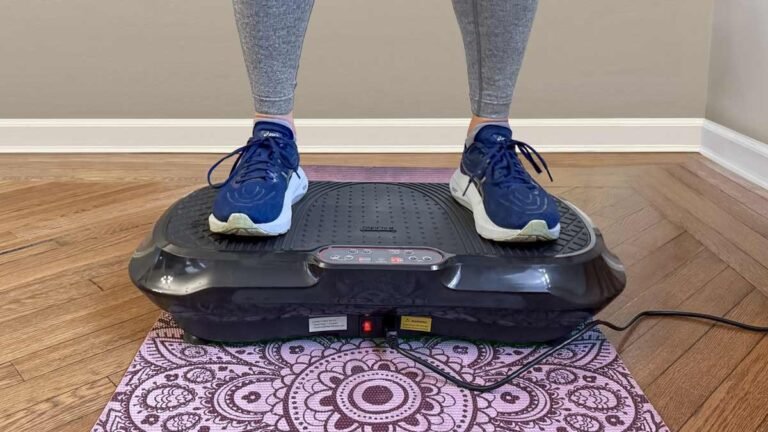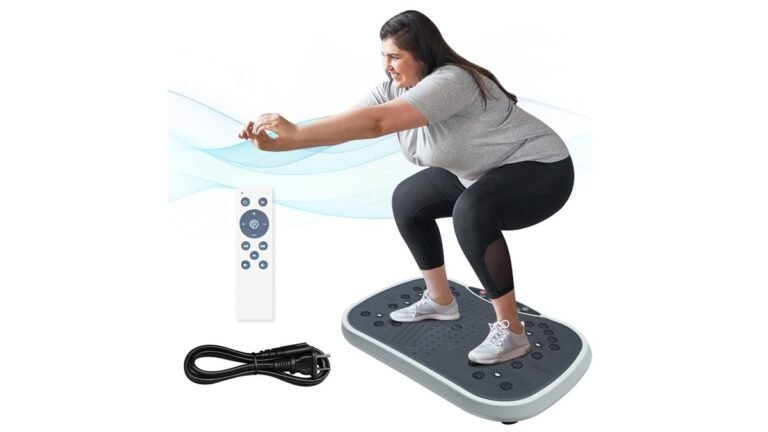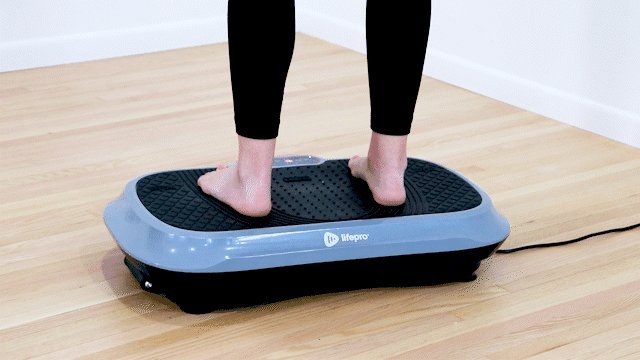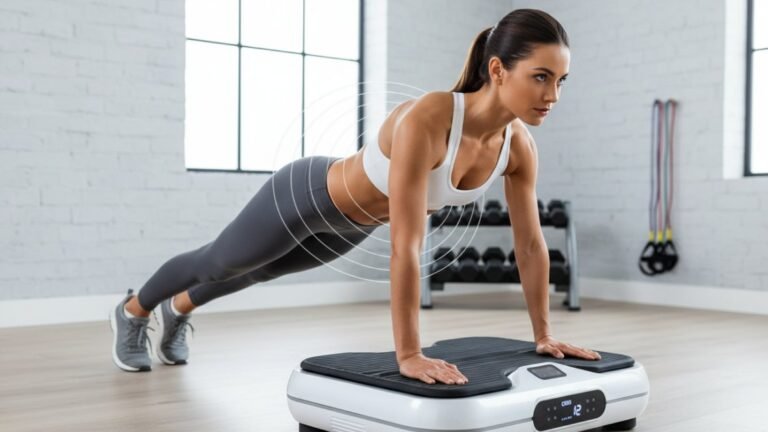
For most people, a home vibration plate is the better buy — it costs less, fits in a living room, and covers standing, squatting, and balance work. A commercial plate wins only if you’ll train on it daily with several people using it, or you need higher force output.
Home vs commercial vibration plates compared
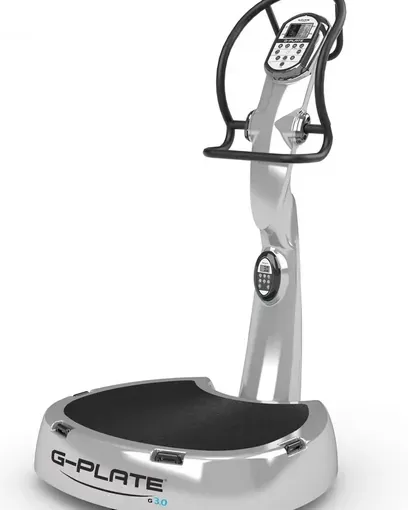
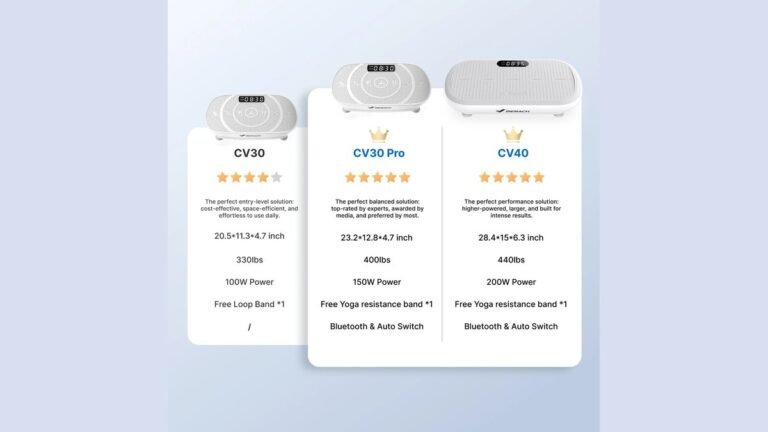
A home plate and a commercial plate do the same basic job: a platform moves under your feet, and your muscles react to stay steady. The difference sits in motor size, build strength, and how many hours the machine runs each day. Here’s how the main options stack up.
| Method | How long | Effort | Cost | Best for |
|---|---|---|---|---|
| Home vibration plate | Setup in minutes | Low | Low | One or two people at home |
| Commercial vibration plate | Install in 1–2 hours | Low | High | Gyms and clinics |
| Whole-body vibration class | 30–45 minutes | Medium | Medium | Guided sessions |
| Bodyweight training only | 20–40 minutes | High | Low | No equipment at all |
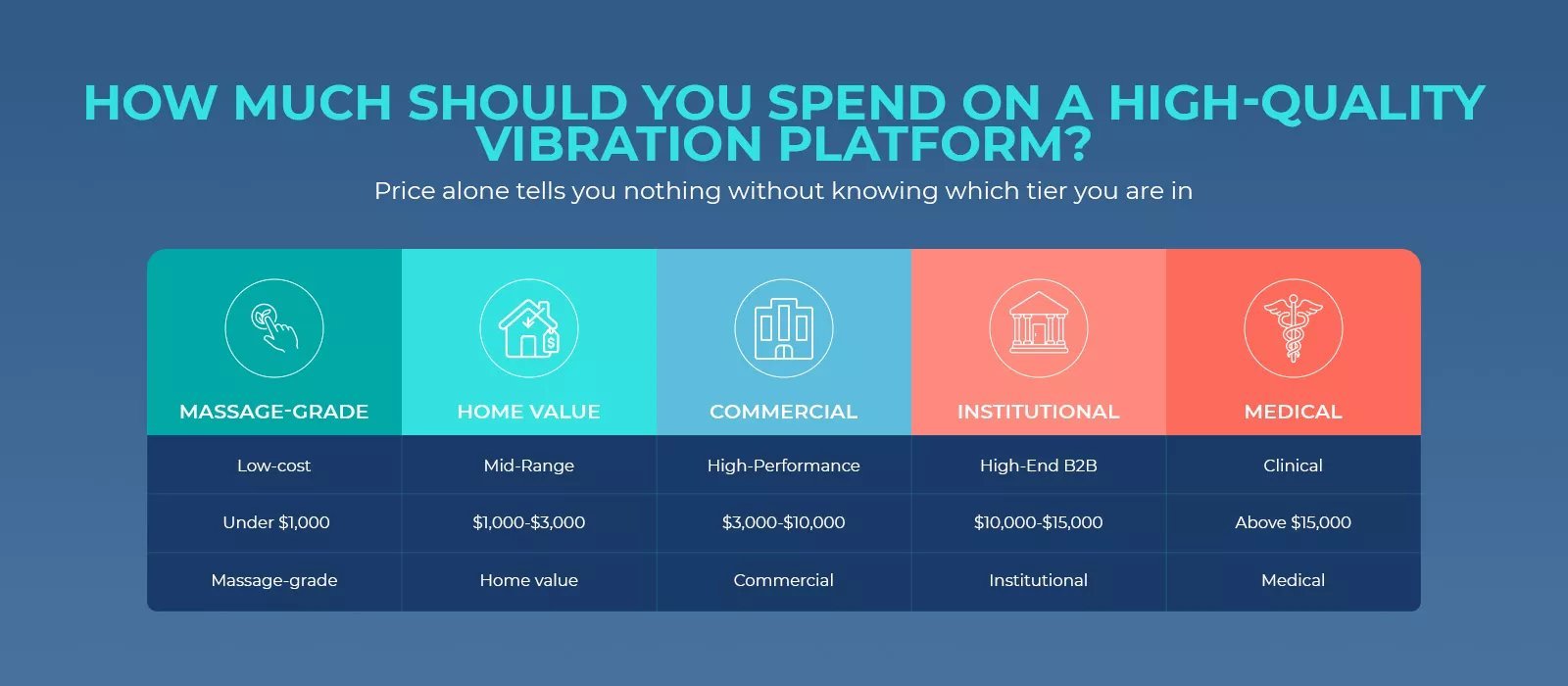
Prices vary by brand and motor power, so check the maker’s own site for current figures.
How a home vibration plate works
- Place the plate on a hard, level floor — carpet soaks up the vibration and dulls the effect.
- Stand with feet shoulder-width apart, knees slightly bent, and hold a rail or wall if you feel unsteady.
- Start at the lowest frequency for 30 seconds, then build to 1–2 minutes per position.
- Add positions one at a time: squat hold, calf raise, single-leg stand.
- Stop after 10–15 minutes total, three times a week.
It’s good at saving space, saving money, and letting you train at any hour. Its weakness is real: a home motor is built for short sessions, so long daily use wears it out faster.
How a commercial vibration plate works
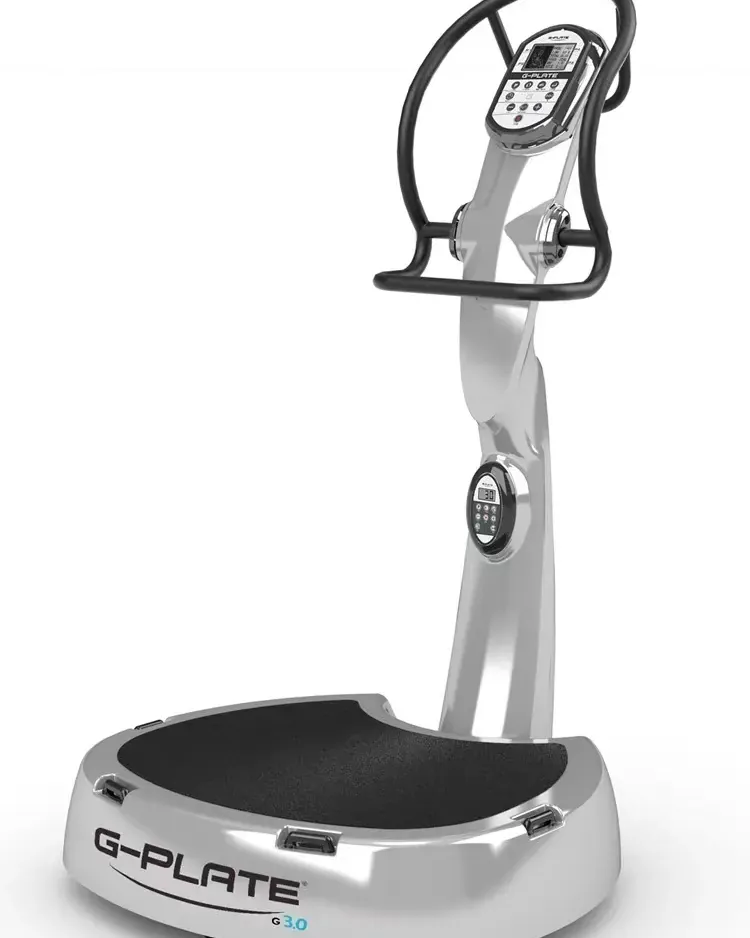
- Check the plate’s rated user weight and duty cycle before you buy — the maker prints both.
- Bolt or set the unit on a reinforced floor, away from walls and mirrors.
- Set frequency and amplitude for the group, and keep sessions to 1–3 minutes per person.
- Wipe the platform between users, and check the bolts monthly.
- Log hours of use so you know when the motor is due for service.
Commercial plates handle heavy bodies, long days, and constant swapping of users. They’re also loud, heavy, and need a dedicated space. If you’re buying for a gym or clinic, talk to the maker’s commercial team about installation and warranty terms.
Using whole-body vibration classes
- Book a session at a studio or gym near you.
- Tell the instructor about back, joint, or balance problems before you start.
- Follow their position order rather than copying the person beside you.
- Keep each hold short — usually under 2 minutes — and rest between sets.
- Ask for a written plan you can repeat at home.
Classes give you coaching and a safe progression, which matters if you’ve never used a plate before. You’ll also pay per session, and the timetable may not suit you. A fourth option — bodyweight training with no plate — is free and always available, but it takes longer to build the same balance challenge.
Which plate fits your situation?
You’re in a hurry. Buy the home plate. It arrives assembled, plugs into a normal socket, and you can be on it in five minutes. Waiting weeks for a commercial install makes no sense for a single user.
It’s your first time. Take a class first. A coach spots bad posture before it becomes a habit, and you’ll learn which settings suit your body.
You want the best result, whatever it takes. Go commercial. Higher force output and a sturdier platform give more room to progress, but you’ll pay more and give up floor space.
The trade-off doesn’t change: home saves money and space, commercial gives more power and durability.
What matters whichever plate you choose
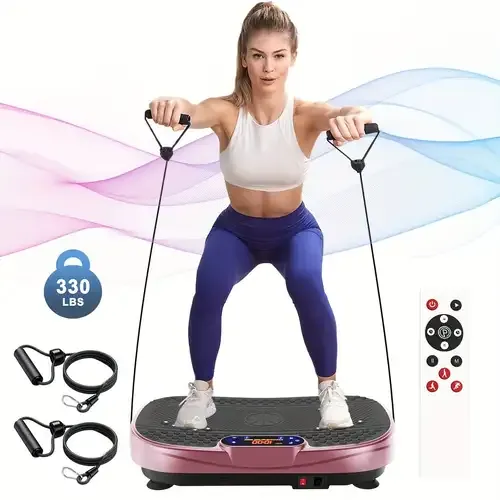
Whatever you buy, the same basics decide whether it helps or hurts. The US Consumer Product Safety Commission tracks equipment injuries and publishes recall notices — check any model against its list before you buy. If you have a heart condition, a recent fracture, or a joint replacement, talk to your doctor before you start; vibration isn’t safe for everyone, and no article can clear you.
Prepare first: clear floor space, a wall or chair within reach, and flat shoes or bare feet. Check partway: if you feel dizzy, stop and sit down. At the end: wipe the plate, note your session length, and build up slowly over weeks.
Related guides
- Weight Plates Workout Routines for Beginners at Home
- Best Bumper Plates for Home Gym Reddit Picks 2026: Top Buys
- Best Mat for Bumper Plate Home Gyms 2026: Top Picks Reviewed
Frequently asked questions
Is a home vibration plate as good as a commercial one?
For one or two people training a few times a week, yes — the training effect is similar. Commercial plates mainly add durability and higher force, not a different kind of exercise.
How long should a vibration plate session last?
Start at 30 seconds per position and build to 10–15 minutes total, three times a week. That range assumes a beginner on a home plate; add time slowly rather than doubling it.
Can I lose weight using a vibration plate?
No, not on its own. Vibration adds a small muscle challenge, but weight loss comes from your overall activity and diet. Treat the plate as one part of a wider routine.
Is it safe to use every day?
Yes for most healthy adults, in short sessions of 10–15 minutes. Skip it if you’re pregnant, have a heart condition, or have a recent injury, unless your doctor says otherwise.
Why does my plate shake less than the one at the gym?
Commercial motors are bigger and push more force, so the movement feels stronger. A home plate still works — just keep sessions shorter and positions controlled.
What happens if I stand on it too long?
You may feel dizzy, sore, or unsteady for a while after. Get off, sit down, and drink water. Build up in small steps over several weeks instead.
Do I need training to use one?
No for basic standing and squat holds. Yes if you have a health condition or want a structured program — a physiotherapist or certified trainer can set that up safely.
Conclusion
A home plate suits most buyers: cheaper, smaller, and enough for steady weekly use. Step up to commercial only when the machine will run for hours a day with many users — and check the maker’s duty cycle before you spend.
I am a certified fitness coach with over 10 years of experience helping people improve their strength, endurance, and overall health. Specializes in workout programming, weight training, fat loss, muscle building, home fitness, and evidence-based nutrition.My goal is to make fitness simple and practical through well-researched guides, honest product reviews, and actionable training advice.