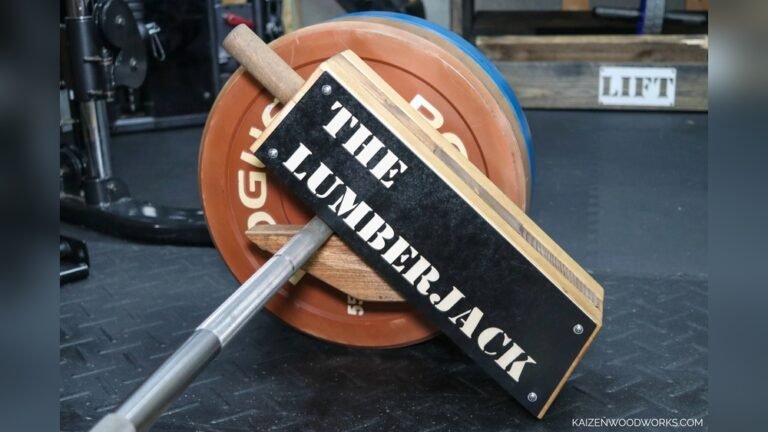
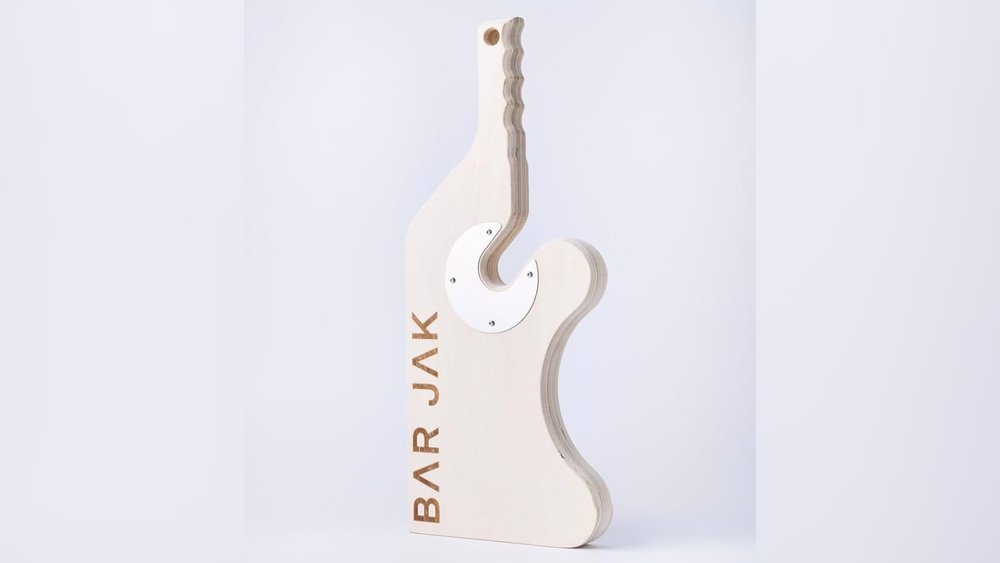
If you use a deadlift jack regularly, you know how quickly dirt, grease, and sweat can build up on it. This not only affects its look but can also impact its performance and lifespan.
You want your deadlift jack to stay reliable, smooth, and safe every time you lift. So, how do you clean it properly without damaging its parts? In this guide, you’ll discover simple, step-by-step tips to get your deadlift jack spotless and working like new again.
Keep reading—you’ll be surprised how easy it is to maintain this crucial piece of your workout gear!
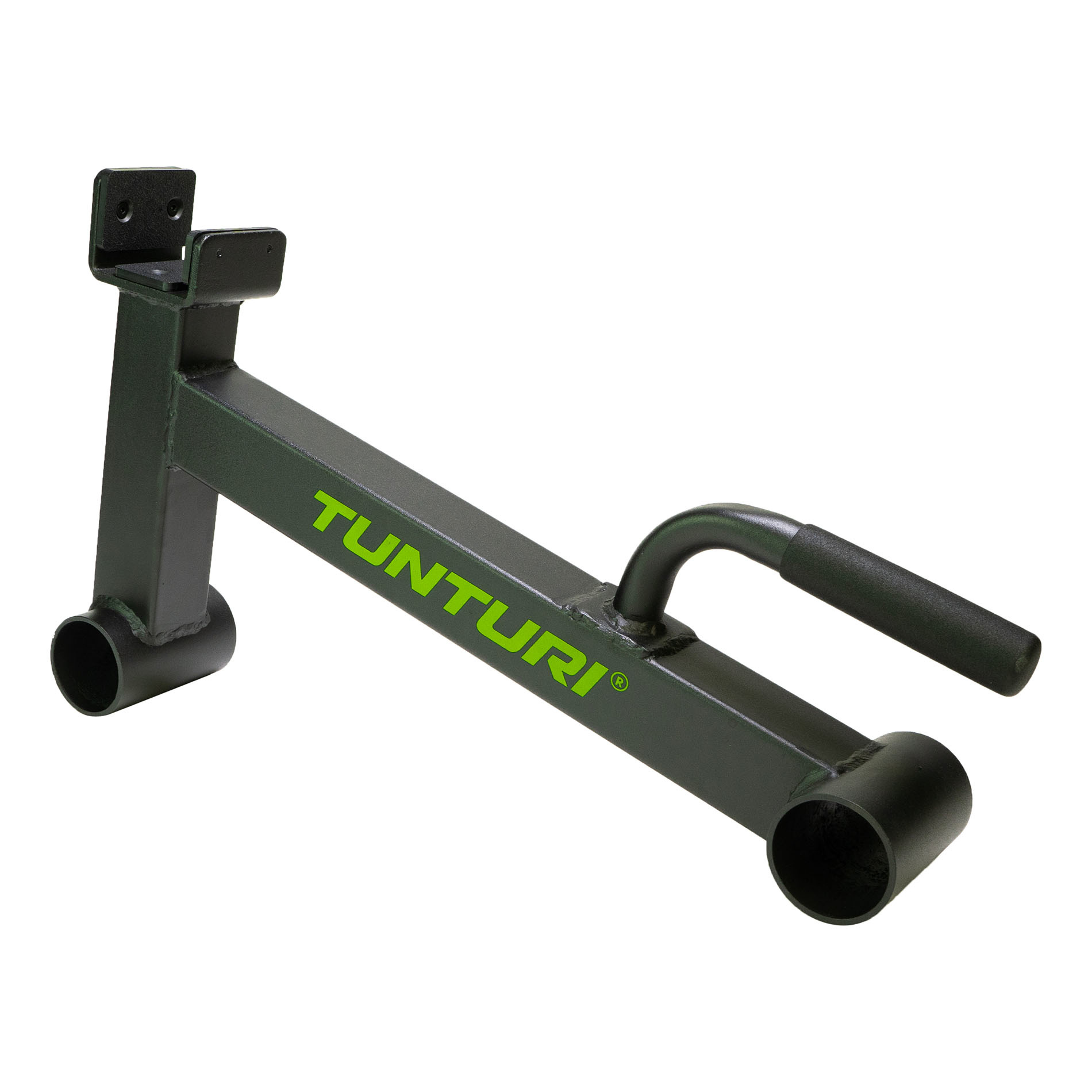
Credit: www.tunturi.com
Deadlift Jack Basics
The deadlift jack is a handy tool for lifting heavy barbells off the ground. It makes changing plates easier and safer. Understanding its basics helps you keep it in good shape. Cleanliness is key for smooth operation and long life.
Regular care prevents rust and dirt buildup. This section covers what a deadlift jack is and why cleaning it matters. A clean jack works better and lasts longer.
What Is A Deadlift Jack
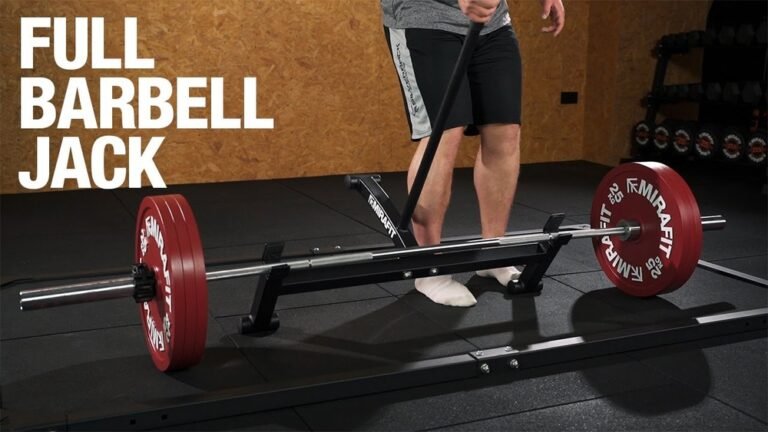
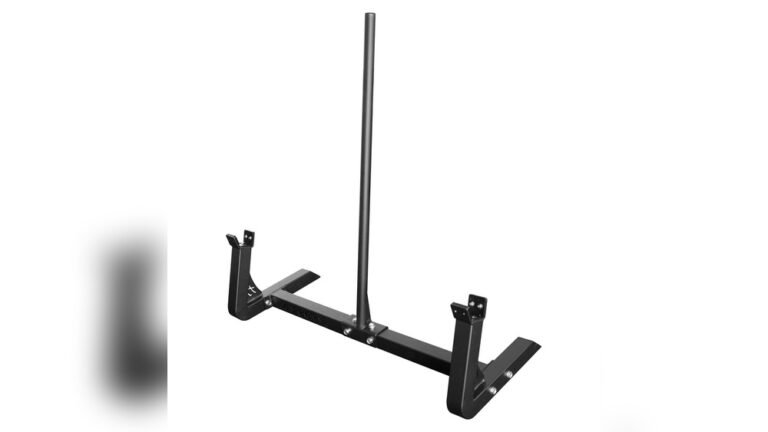
A deadlift jack is a small lifting device. It helps raise one side of a loaded barbell. This allows quick plate changes without straining your back. Usually, it has a lever and a sturdy base. The jack slides under the barbell and lifts it slightly. This tool is common in gyms and home setups.
Why Clean Your Deadlift Jack
Cleaning removes dirt and sweat that collect on the jack. Dust and grime can cause rust and reduce smooth movement. A clean jack prevents wear and tear on its parts. It also keeps the lever and base free from sticky buildup. Regular cleaning extends the jack’s life. It ensures safe and easy use every time.
Tools And Supplies Needed
Cleaning a deadlift jack properly requires the right tools and supplies. Using suitable items makes the process easier and protects your equipment. Prepare before you start to ensure a smooth cleaning session.
Cleaning Agents
Choose mild detergents to remove dirt and grime. Avoid harsh chemicals that can damage the jack’s surface. Use degreasers to eliminate oil and grease buildup. Rubbing alcohol works well for stubborn spots. A gentle cleaner keeps the jack in good condition.
Tools For Cleaning
Soft cloths help wipe down surfaces without scratching. Brushes with soft bristles reach tight areas and crevices. Use cotton swabs for detailed cleaning around small parts. A small scraper can remove stuck-on debris carefully. Having these tools ready speeds up the cleaning.
Safety Gear
Wear gloves to protect your hands from chemicals and dirt. Safety glasses shield your eyes from splashes. Use a mask if cleaning agents produce strong fumes. Dress in old clothes to avoid stains. Safety gear keeps you safe during cleaning tasks.
Step-by-step Cleaning Process
Cleaning your deadlift jack regularly keeps it working smoothly and extends its life. A clear, step-by-step process makes cleaning easy and effective. Follow the steps below to maintain your equipment properly and avoid damage from dirt or rust.
Initial Inspection
Start by checking the deadlift jack for any visible damage. Look for cracks, leaks, or rust spots. Identify areas with heavy dirt or grease buildup. This helps plan your cleaning method and tools. Inspect all moving parts to ensure they are intact and not worn out.
Removing Dirt And Debris
Use a soft brush or cloth to remove loose dirt and debris. Avoid harsh scrubbing that can scratch the surface. For stubborn dirt, use mild soap and water on a damp cloth. Clean all surfaces, including handles and the base. Remove any debris from wheels or rollers carefully.
Cleaning Hydraulic Components
Hydraulic parts need gentle care. Wipe them with a clean cloth soaked in a small amount of hydraulic fluid or rubbing alcohol. Avoid soaking these parts to prevent damage. Check the hydraulic seals for leaks or cracks. Clean the release valve area to ensure smooth operation.
Drying And Wiping Down
After cleaning, dry the jack thoroughly with a soft cloth. Remove all moisture to prevent rust. Wipe down metal parts with a light layer of machine oil. This protects the surface and keeps parts lubricated. Store the jack in a dry place to maintain its condition.

Credit: enterprisectr.org
Maintaining Your Deadlift Jack
Maintaining your deadlift jack is key to its long life and reliable performance. Dirt, dust, and moisture can harm its parts. Regular care keeps it working smoothly and safely. Follow simple steps to protect the hydraulic system and moving components. Your jack will stay ready for every lift.
Regular Cleaning Schedule
Clean your deadlift jack after each use. Use a soft cloth to wipe off dust and dirt. Avoid harsh chemicals that can damage the paint and seals. Check all moving parts for grime. Remove buildup gently with a brush or cloth. Keeping it clean prevents rust and wear.
Lubrication Tips
Apply lubricant to all pivot points regularly. Use light machine oil or grease made for hydraulic tools. Avoid over-lubricating, which can attract more dirt. Focus on joints, wheels, and handles. Proper lubrication reduces friction and noise. It helps the jack move smoothly and last longer.
Checking Hydraulic Fluid
Inspect the hydraulic fluid level every month. Low fluid can cause poor lifting performance. Remove the fill plug and check the fluid inside. Add the recommended hydraulic oil if needed. Use a clean funnel to avoid contamination. Replace old fluid yearly to keep the system clean and efficient.
Storage Recommendations
Store your deadlift jack in a dry, cool place. Avoid damp areas that cause rust. Keep it on a flat surface with the handle lowered. Cover the jack with a cloth or plastic cover to block dust. Proper storage stops damage and keeps the jack ready for use.
Troubleshooting Common Issues
Troubleshooting common issues with a deadlift jack helps keep it working smoothly. Small problems can stop your lifting or cause damage. Knowing how to fix typical faults saves time and money. This guide covers three frequent problems and simple solutions.
Hydraulic Leaks
Hydraulic leaks reduce jack pressure and performance. Check seals and joints for oil drops or wet spots. Tighten loose fittings carefully without overdoing it. Replace damaged seals with the right size parts. Clean any spilled oil to avoid slipping hazards.
Stiff Or Jammed Parts
Stiff or jammed parts make the jack hard to move. Dirt and rust often cause this issue. Clean moving parts with a dry cloth. Use light machine oil on hinges and pivots. Avoid too much lubricant to stop dust buildup. Test the jack after cleaning for smooth action.
Air In Hydraulic System
Air in the hydraulic system causes poor lifting power. Bleed the jack to remove trapped air. Open the release valve and pump the handle several times. Close the valve and test the jack’s lift. Repeat if the jack still feels weak. Regular bleeding keeps the system efficient.
Safety Tips For Handling Deadlift Jacks
Handling a deadlift jack safely is crucial for both personal safety and equipment longevity. Careful steps reduce risks of injury and damage. Always follow safety tips to keep your deadlift jack in good condition. Proper handling during cleaning ensures smooth operation and extends the jack’s life.
Proper Usage
Use the deadlift jack on a flat, stable surface only. Avoid uneven or slippery floors to prevent slips. Keep hands and fingers clear of moving parts. Wear gloves to protect your skin from dirt and grease. Do not overload the jack beyond its weight limit. Lift and lower the jack slowly to avoid sudden movements. Store the jack in a dry place to prevent rust and corrosion.
Avoiding Damage During Cleaning
Turn off and secure the jack before cleaning. Use a soft cloth or brush to remove dirt gently. Avoid harsh chemicals that can damage seals and metal parts. Use mild soap and water for cleaning surfaces. Dry the jack completely to prevent moisture buildup. Check for leaks or cracks after cleaning. Lubricate moving parts with recommended oil to keep them working smoothly.

Credit: thebarbelljack.com
Frequently Asked Questions
How To Clean A Hydraulic Jack?
Wipe the hydraulic jack with a clean cloth to remove dirt. Use a degreaser for stubborn grime. Twist the handle counterclockwise to release pressure. Check and refill hydraulic oil if needed. Store the jack in a dry place to prevent rust.
Do Floor Jacks Need Maintenance?
Yes, floor jacks need regular maintenance. Check hydraulic oil, lubricate moving parts, and bleed air from the system to ensure smooth operation.
How To Do A Clean Deadlift?
Stand with feet hip-width apart, bar over mid-foot. Grip bar just outside knees. Keep back flat, chest up. Lift by extending hips and knees together. Pull bar close, shrug shoulders, then quickly drop under the bar into a front squat.
Stand up to finish the clean deadlift.
How Do You Clean A Jack?
Wipe the jack with a clean cloth to remove dirt. Use rubbing alcohol on a swab for stubborn grime. Dry thoroughly before storage.
Conclusion
Cleaning your deadlift jack keeps it working smoothly and safely. Remove dirt and grease with a gentle cleaner. Use a soft cloth to wipe all parts carefully. Dry the jack fully to avoid rust or damage. Regular cleaning extends the jack’s life and improves performance.
Take a few minutes after each use for best results. A clean jack helps you lift with confidence every time. Simple steps make maintenance easy and effective. Keep your equipment ready for your next workout session.
I am a certified fitness coach with over 10 years of experience helping people improve their strength, endurance, and overall health. Specializes in workout programming, weight training, fat loss, muscle building, home fitness, and evidence-based nutrition.My goal is to make fitness simple and practical through well-researched guides, honest product reviews, and actionable training advice.