Are you ready to take your weightlifting sessions to the next level? If you’ve ever struggled with weights slipping or shifting on your barbell, then barbell collars are your new best friend.
These simple yet essential tools keep your weight plates securely in place, helping you lift with confidence and safety. Whether you’re a beginner or a seasoned lifter, knowing how to properly use barbell collars can make a huge difference in your workout performance and injury prevention.
Keep reading to discover everything you need to know about using barbell collars effectively—and why they should be a staple in your gym routine.
Credit: www.blkboxfitness.com
Types Of Barbell Collars
Barbell collars keep weight plates secure during workouts. They stop plates from sliding or falling off the barbell. Different types of collars fit various bars and lifting styles. Understanding these types helps you choose the right collar for your needs.
Spring Collars
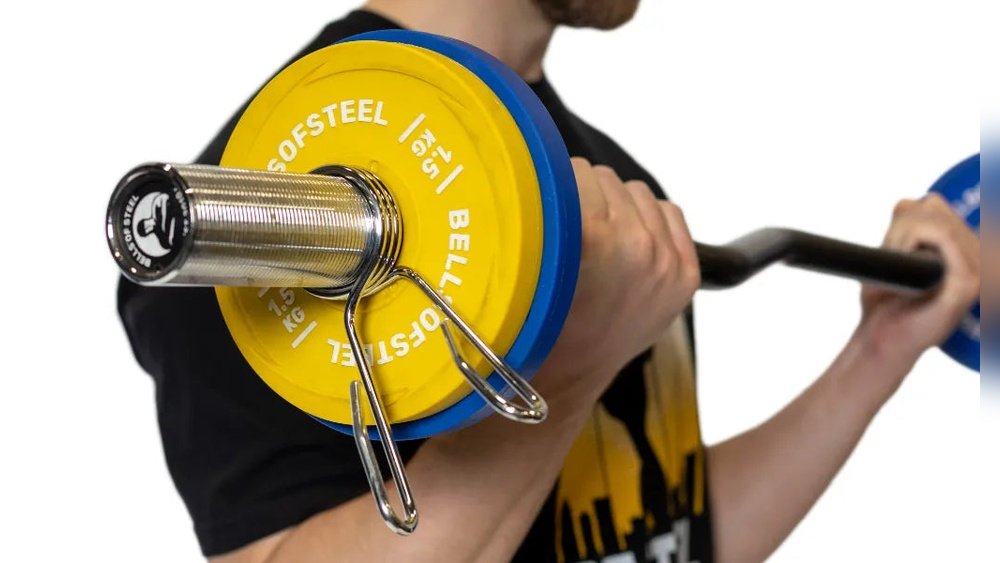
Spring collars use strong metal springs to hold plates tightly. They are simple and easy to use. Slide the collar onto the bar and release the handles. These collars fit most standard bars and are lightweight. They offer a quick way to secure weights but may wear out with heavy use.
Clamp Collars
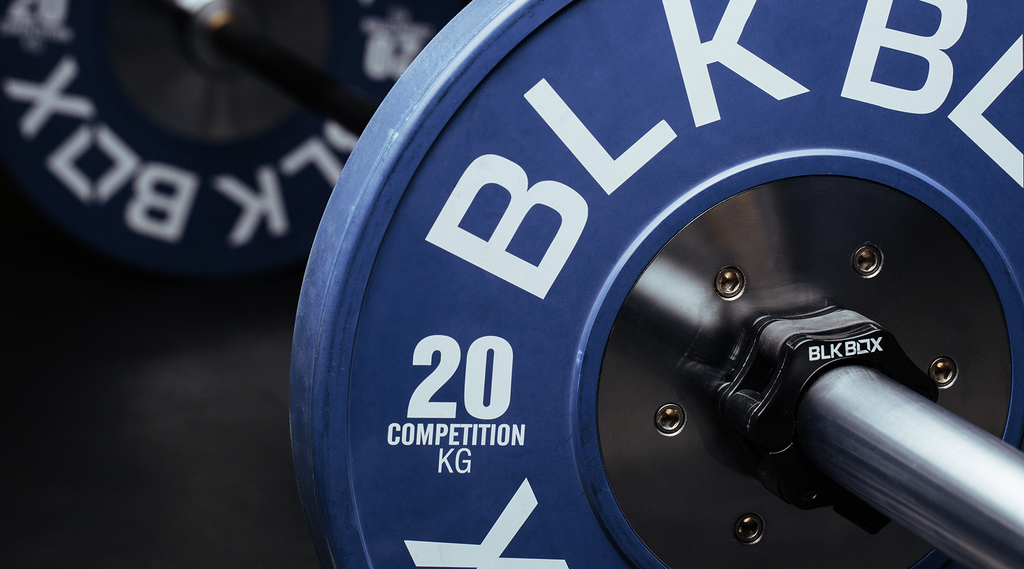
Clamp collars lock onto the bar with a lever or screw mechanism. They provide a firmer grip than spring collars. These collars are easy to tighten and release. They work well for heavy lifting and protect plates from movement. Clamp collars are usually made of metal or hard plastic.
Lockjaw Collars
Lockjaw collars use a ratchet system to lock in place. They provide a very secure hold on the barbell. These collars are popular in powerlifting and serious training. A quick-release lever makes them easy to remove. Lockjaw collars fit tightly and reduce noise during lifts.
Axle Bar Collars
Axle bar collars are designed for thick axle bars. These bars are wider than standard barbells. The collars fit snugly on the larger diameter sleeves. They often use a locking pin or lever to stay in place. Axle bar collars keep heavy plates from shifting during strongman lifts.
Snap Lock Collars
Snap lock collars snap onto the bar with a firm click. They combine ease of use with a secure hold. These collars are made from durable plastic or metal. Snap lock collars are quick to put on and take off. They suit many types of barbells and weight plates.

Credit: kefl.co.uk
Choosing The Right Collar
Choosing the right barbell collar matters for safety and workout quality. A good collar keeps plates secure during lifting. It also fits your barbell perfectly and lasts long. Consider material, fit, ease of use, and grip strength when selecting one.
Material Durability
Durability depends on the collar’s material. Steel collars resist bending and breaking. Plastic collars may wear out faster. Look for collars with strong, long-lasting materials. This ensures your collar will protect plates over time.
Compatibility With Barbell
Collars must fit your barbell’s diameter. Standard bars are usually 1 inch or 2 inches thick. Check the collar size before buying. A loose collar won’t hold plates tight. A tight collar may damage the bar. Choose a collar that fits snugly without force.
Ease Of Use
Pick collars that are quick to put on and remove. Spring collars are easy but need hand strength. Clamp collars lock fast with a lever. Lockjaw collars use a twist mechanism. Choose based on your comfort and workout speed.
Grip Strength
Grip strength keeps collars from slipping during lifts. Rubber or textured surfaces improve grip. Metal collars may slip if smooth. Test how tightly the collar grips your barbell. Strong grip helps avoid accidents and plate movement.
Proper Usage Techniques
Proper usage techniques ensure safety and efficiency during weightlifting. Using barbell collars correctly keeps weight plates secure. This prevents accidents and damage to equipment. Understanding these methods helps lifters focus on their workout without worry.
Attaching Collars Securely
Slide the collar onto the barbell sleeve next to the weight plates. Push firmly until it sits tight against the plates. Ensure no gaps exist between the collar and plates. A secure fit stops the plates from moving during lifts.
Adjusting For Different Bar Sizes
Check the collar size before placing it on the bar. Some collars fit only standard bars, others fit Olympic bars. Use adjustable collars for varying bar diameters. Proper adjustment maintains a strong grip on the plates.
Quick Weight Changes
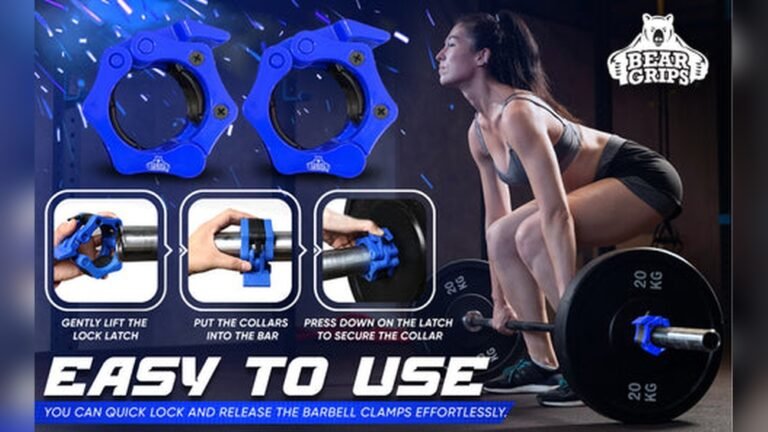
Release the collar by squeezing or unlocking it gently. Slide the collar off to add or remove plates. Replace the collar and secure it firmly after adjusting weights. This speeds up your workout without sacrificing safety.
Lever Lock Mechanism
Place the collar on the bar, then close the lever to lock it. The lever tightens the collar around the bar for a firm hold. This mechanism offers quick locking and unlocking with minimal effort. It ensures the weights stay in place during intense lifts.
Safety Benefits
Using barbell collars adds an important layer of safety to weightlifting. These simple tools keep the weights secure on the barbell. They help lifters focus on their form and strength without worrying about shifting plates. Safety benefits include preventing accidents and protecting both the user and equipment.
Preventing Weight Slippage
Barbell collars stop weight plates from sliding off the bar. Plates can shift during lifts, causing imbalance and danger. Collars hold plates tightly, reducing movement and keeping the load stable. This prevents sudden drops that could cause injury.
Maintaining Load Balance
Balanced weight on both sides of the bar is crucial for safe lifting. Collars keep plates fixed in place, ensuring even distribution. This balance helps lifters maintain control and proper form. Without collars, uneven loads increase the risk of falls and muscle strain.
Protecting Equipment
Weight plates and barbells suffer damage if plates slip or fall. Collars protect equipment by securing the plates firmly. This prevents scratches, dents, and costly repairs. Proper use of collars extends the life of gym gear and keeps it in good condition.
Reducing Injury Risks
Loose plates can cause serious injuries during workouts. Barbell collars minimize this risk by locking plates in place. They help prevent accidents like dropped weights or sudden shifts. Using collars supports a safer lifting environment for everyone.
Performance Advantages
Barbell collars offer clear performance advantages that improve your lifting sessions. They provide stability and safety, allowing you to focus on your form and strength. Using collars correctly supports better results and a smoother workout experience.
Enhancing Lifting Confidence
Barbell collars keep weight plates firmly in place. This prevents plates from sliding off during lifts. Knowing the weights are secure helps you lift with more confidence. Confidence reduces hesitation, letting you push harder and lift more effectively.
Supporting Heavy Lifts
Heavy lifts demand extra stability and safety. Collars lock plates tightly, preventing shifts that could cause imbalance. This support is crucial for squats, deadlifts, and bench presses. You can focus on strength without worrying about plate movement or injury risks.
Improving Workout Efficiency
Using barbell collars speeds up your workout flow. They allow quick changes of weight plates between sets. Less time spent adjusting means more time lifting. Efficient workouts help maintain intensity and improve overall performance in less time.

Credit: www.beargrips.com
Maintenance And Care
Proper maintenance and care of barbell collars ensure their durability and safe use. Keeping them clean and checking for damage helps avoid accidents during workouts. Regular attention extends the life of your collars and keeps your equipment reliable.
Cleaning Tips
Wipe barbell collars with a damp cloth after every use. Remove dust, sweat, and chalk to prevent buildup. Use mild soap and water for deeper cleaning. Avoid harsh chemicals that can damage the collar material. Dry collars thoroughly before storing them to prevent rust and corrosion.
Inspecting For Wear
Check collars regularly for cracks or bends. Look for worn-out springs or broken locking mechanisms. Make sure the collars fit tightly and do not slip on the bar. Inspect any rubber or plastic parts for signs of tearing or hardening. Replace collars showing signs of damage immediately to stay safe.
Replacing Worn Collars
Replace collars if they no longer hold plates securely. Choose collars that match your barbell size and type. Use new collars with strong locking features for better safety. Dispose of old collars properly to avoid confusion. Keeping fresh collars ready ensures safe lifting every time.
Common Mistakes To Avoid
Using barbell collars correctly is crucial for safe and effective workouts. Many lifters make simple mistakes that reduce the collars’ effectiveness. Avoiding these errors helps keep weights secure and prevents accidents. Below are common mistakes to watch out for.
Using Incorrect Collar Type
Each barbell collar suits specific bars and weights. Using the wrong type can cause poor grip and slippage. Spring collars fit standard bars but may not hold heavier plates well. Clamp collars offer better security but need proper size matching. Lockjaw collars provide the strongest hold but must match the bar diameter exactly.
Choose collars based on your barbell and workout needs. Avoid mixing types on the same bar to prevent imbalance.
Improper Attachment
Failing to attach collars tightly is a common mistake. Loose collars allow plates to move during lifts, risking injury. Press the collar firmly against the plates and secure the locking mechanism fully. Check that it does not slide or wiggle on the bar.
Always attach collars on both sides of the barbell evenly. Uneven collars cause weight imbalance and affect lifting form.
Neglecting Regular Checks
Many lifters skip checking collars during sets. Movement and sweat can loosen collars over time. Stop periodically to check tightness and re-secure if needed. This habit prevents sudden plate shifts or drops.
Before every workout, inspect collars for damage or wear. Replace any collar that shows signs of failure to maintain safety.
Frequently Asked Questions
How To Use Barbell Collars?
Slide the barbell collar onto the bar sleeve next to the weight plates. Tighten or lock it securely to prevent plate movement during lifts. Check the collar’s grip before starting your workout. Repeat on both sides for balanced safety.
What Are The Collars On All Bars Must Be Used To?
Collars on all bars must be used to securely lock weight plates in place. This prevents slipping and ensures safety during lifts.
When To Use Barbell Collars?
Use barbell collars every time you load weights to secure plates and prevent slipping during lifts. They ensure safety and stability.
What Are The Different Types Of Barbell Collars?
Barbell collars include spring collars, clamp collars, snap lock collars, and lockjaw collars. They secure weight plates during lifting.
Conclusion
Using barbell collars keeps weight plates secure during lifts. They stop plates from sliding or falling off. This helps you stay safe and focused. Choose collars that fit your barbell type well. Practice putting them on quickly and firmly. Regular use protects both you and your equipment.
Simple steps make your workouts safer and more effective. Keep collars in your gym routine for better control. Safety matters most when lifting heavy weights.
I am a certified fitness coach with over 10 years of experience helping people improve their strength, endurance, and overall health. Specializes in workout programming, weight training, fat loss, muscle building, home fitness, and evidence-based nutrition.My goal is to make fitness simple and practical through well-researched guides, honest product reviews, and actionable training advice.