Keeping your rowing machine clean isn’t just about appearances—it directly affects how smoothly it works and how long it lasts. If you want to avoid frustrating squeaks, sticky seats, or malfunctioning parts, you need to take a few simple steps after every workout.
Imagine gliding effortlessly on a machine that feels brand new every time you row. You can make that happen by learning exactly how to clean your rowing machine the right way. In this guide, you’ll discover easy daily maintenance tips, how to tackle deeper cleaning tasks, and key tricks to protect your investment.
Ready to keep your rowing machine running like the day you got it? Let’s dive in.

Credit: www.amazon.com
Daily Cleaning
Cleaning your rowing machine daily keeps it working well and looking good. Sweat and dust can build up on parts. This buildup can cause wear and make the machine less smooth. A simple daily routine helps stop these problems early. Spend just a few minutes after each workout to clean key parts. This care extends your machine’s life and keeps your workouts safe and comfortable.
Wipe The Monorail
The monorail is the long track where the seat slides. Wipe it with a soft cloth and mild cleaner. Avoid harsh chemicals that can damage the surface. Clean both sides to remove sweat and dust. This keeps the seat moving smoothly without sticking or noise.
Clean Seat Rollers
The seat rollers help the seat glide on the monorail. Check for dirt or small debris. Use a damp cloth to wipe each roller carefully. Clean rollers reduce friction and prevent wear on the machine. This simple step keeps your seat rolling silently and smoothly.
Wipe Handle And Foot Stretchers
Handles and foot stretchers get sweaty and dirty fast. Spray a disinfectant on a cloth, then wipe these parts. This stops bacteria growth and keeps them fresh. Clean handles improve grip and safety. Foot stretchers stay secure and comfortable with daily cleaning.
Dry Surfaces
After wiping, use a dry cloth to remove moisture. Dry surfaces prevent rust and damage to metal parts. Moisture left on the machine can cause slipping or corrosion. Make sure to dry all cleaned areas well before storing the rowing machine.

Credit: www.youtube.com
Weekly Maintenance
Regularly cleaning your rowing machine keeps it working well and lasts longer. Wipe the rail and seat with mild soap after each use to stop dirt buildup. Spray disinfectant on the handle and footrests, and vacuum the flywheel area often.
Tighten Nuts And Bolts
Check all nuts and bolts on your rowing machine each week. Use a wrench to tighten any loose parts. Loose bolts can cause noise and affect workout safety. Tight connections keep the machine stable and working well. Focus on areas like the frame, seat rails, and footrests. Regular tightening prevents wear and tear on parts. This simple step extends your machine’s lifespan.
Inspect Monitor Arm
Look closely at the monitor arm for cracks or looseness. The monitor arm holds the display screen in place during your workout. Ensure it is secure to avoid damage or inaccurate readings. Gently move the arm to test its stability. Tighten any screws or bolts if the arm feels loose. A stable monitor arm improves your workout experience and keeps the device safe.
Flywheel Care
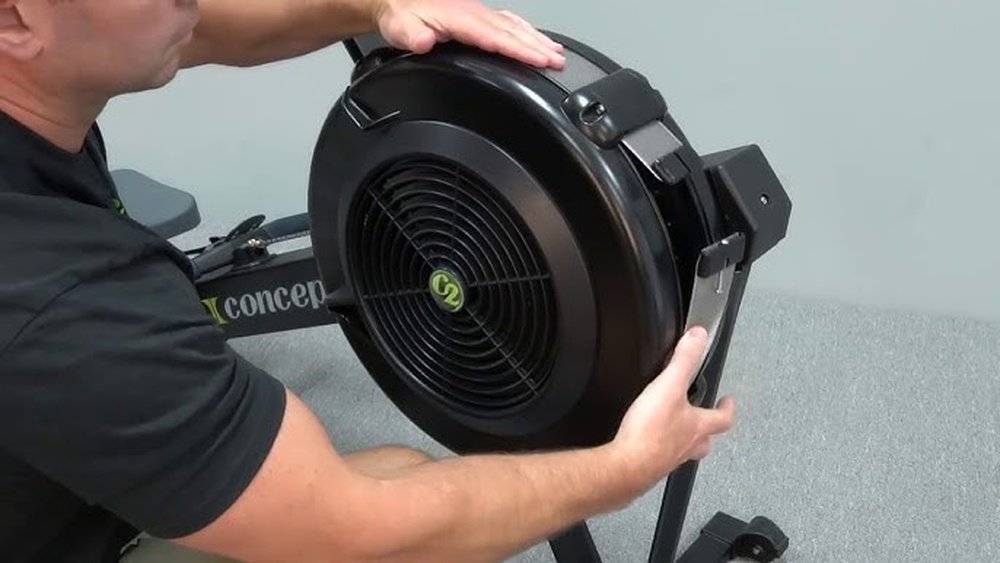
The flywheel is the heart of your rowing machine. Proper care keeps it running smoothly. Dust and debris can build up inside the flywheel housing. This can cause noise and reduce performance. Regular cleaning helps maintain resistance and prolongs the machine’s life.
Flywheel care involves opening the housing, removing dust, and cleaning the fan cage. These steps ensure good airflow and prevent damage. Take time to care for the flywheel every few weeks or as needed.
Open Flywheel Housing
Locate the screws or clips holding the flywheel cover. Use a screwdriver to remove them carefully. Set the cover aside on a soft surface. Avoid forcing the cover off to prevent damage. Opening the housing gives access to the inner parts for cleaning.
Vacuum Dust And Debris
Use a vacuum cleaner with a narrow nozzle attachment. Gently remove dust and debris from inside the flywheel housing. Focus on corners and hard-to-reach areas. Avoid touching the flywheel with the vacuum to prevent damage. This step removes dirt that can affect the machine’s smoothness.
Clean Fan Cage
The fan cage helps cool the flywheel during use. Wipe it down with a dry cloth or soft brush. Remove any stuck dirt or hair carefully. Do not use water or cleaning sprays inside the housing. Keeping the fan cage clean improves airflow and machine efficiency.
Deep Cleaning Steps
Deep cleaning your rowing machine keeps it working well and extends its life. This process goes beyond basic wiping. It removes dirt, sweat, and grime from hidden parts. Follow these clear steps to clean your machine thoroughly. Doing this every few months keeps your workout smooth and safe.
Gather Cleaning Supplies
Collect all needed items before starting. Use mild soap, water, and a soft cloth. Have a small brush or toothbrush ready. Prepare a screwdriver for disassembly. Include disinfectant spray to kill germs. Also, get a vacuum or compressed air for dust.
Disassemble Key Parts
Remove the seat from the rail carefully. Take off the foot stretchers and handle grips. Open the flywheel cover or housing. Keep screws and small parts safe. This step helps reach areas that hold dirt and sweat.
Clean Components Thoroughly
Wipe the rail and seat with soap and water. Use the brush to clean tight spots. Spray disinfectant on the handle and foot stretchers. Vacuum the flywheel area to remove dust. Dry all parts completely before reassembly.
Reassemble Machine
Put all parts back in their places. Tighten screws firmly but do not over-tighten. Check the seat moves smoothly on the rail. Test the foot stretchers and handle grips. Ensure the flywheel cover fits securely. Your rowing machine is ready for use.
Cleaning Tips
Cleaning your rowing machine regularly keeps it working well and lasting longer. Simple steps help remove sweat, dust, and dirt. Proper care also prevents damage and keeps the machine safe to use.
Follow these cleaning tips to maintain your equipment in top shape.
Avoid Harsh Chemicals
Do not use bleach or strong cleaners on your rowing machine. These chemicals can damage the paint and materials. Use mild soap and water or cleaners made for fitness equipment. This protects the finish and keeps parts safe.
Protect The Monitor
Wipe the monitor screen gently with a soft, dry cloth. Avoid sprays or liquids directly on the screen. Use a damp cloth if needed, but never soak the monitor. This helps prevent damage and keeps the display clear.
Use Soft Cloths
Choose microfiber or other soft cloths for cleaning. Rough materials can scratch surfaces and wear down parts. Soft cloths clean well without harm. They also absorb moisture and dirt efficiently.
Check For Wear And Tear
Look over your rowing machine for signs of damage. Check the seat, handle, and foot straps for cracks or loosening. Inspect the chain or strap for fraying. Early detection helps prevent bigger problems later.

Credit: www.amazon.com
Prevent Mold And Odors
Preventing mold and odors on your rowing machine keeps it fresh and safe to use. Moisture and sweat create a perfect place for mold to grow. Odors develop from bacteria that thrive in damp areas. Taking simple steps after each workout stops these problems early. Clean, dry, and store your machine properly to avoid mold and smells.
Ensure Proper Drying
Wipe down your rowing machine with a dry cloth after every use. Focus on the seat, handle, and footrests. Let the machine air dry completely before storing. Avoid leaving damp towels or clothing on it. Proper drying stops moisture buildup that causes mold and odors.
Store In Ventilated Area
Place your rowing machine in a well-ventilated room. Good airflow helps remove moisture from the machine. Avoid storing it in humid or closed spaces like bathrooms or closets. A dry, open area keeps mold spores from settling on surfaces.
Use Disinfectant Sprays
Spray a disinfectant on all contact points regularly. Handles, seat, and foot stretchers need special attention. Use sprays designed to kill bacteria and mold spores. This prevents odor-causing germs from multiplying. Always follow the product instructions for safe use.
Troubleshooting Common Issues
Cleaning your rowing machine is not enough for its best performance. Troubleshooting common issues keeps the machine smooth and quiet. Some problems can be fixed with simple steps. Regular checks help avoid bigger repairs.
Squeaky Seat Rollers
Squeaky seat rollers cause noise and rough movement. Clean the rollers with a damp cloth to remove dirt. Apply a small amount of lubricant designed for fitness equipment. Spin the rollers to spread the lubricant evenly. Repeat this every few weeks to keep the seat quiet.
Sticky Monorail
The monorail can become sticky from sweat or dust. Wipe it with a soft cloth and mild soap solution. Avoid harsh chemicals that damage the surface. Dry the monorail fully to prevent rust. Use a silicone-based lubricant to keep the seat sliding smoothly.
Loose Bolts
Loose bolts can cause instability and noise. Check all bolts on the frame and seat regularly. Use the correct tools to tighten any loose bolts. Avoid overtightening as it may damage the threads. Tight bolts ensure safe and smooth rowing sessions.
Frequently Asked Questions
Is Rowing Good For High Bp?
Rowing lowers blood pressure by improving heart health and circulation. It strengthens the cardiovascular system safely. Always consult a doctor before starting.
Is Rowing Machine Good For Herniated Discs?
Rowing machines can help strengthen back muscles but may worsen herniated discs if used incorrectly. Consult a doctor before starting. Use proper form and low resistance to avoid strain. Stop immediately if pain increases during rowing exercises.
Can I Row With Spinal Stenosis?
Rowing with spinal stenosis is possible but requires caution. Consult a doctor first. Use proper form and avoid overexertion to prevent pain or injury.
Is Rowing Good For Diabetes?
Rowing improves insulin sensitivity and helps control blood sugar by reducing weight and body fat. It supports diabetes management effectively.
Conclusion
Keeping your rowing machine clean helps it work well for years. Wipe the rail and seat after every use. Use a mild cleaner to remove sweat and dust. Check the flywheel and bolts often. Regular care stops build-up and prevents damage.
Simple steps save money on repairs later. A clean machine makes your workout safer and more enjoyable. Stay consistent with cleaning to protect your investment. Small efforts now lead to better performance tomorrow.
I am a certified fitness coach with over 10 years of experience helping people improve their strength, endurance, and overall health. Specializes in workout programming, weight training, fat loss, muscle building, home fitness, and evidence-based nutrition.My goal is to make fitness simple and practical through well-researched guides, honest product reviews, and actionable training advice.