Looking to get more out of your rowing machine without spending a fortune? You’re in the right place.
Whether you want to boost your workout efficiency, fix common issues, or even create clever upgrades with stuff you already have at home, these DIY hacks will transform how you row. Imagine rowing with better power, comfort, and style—all from simple tweaks you can do yourself.
Ready to unlock the full potential of your rowing machine? Keep reading, because these easy, effective tips will change your fitness game forever.

Credit: www.reddit.com
Build Your Own Rower
Building your own rowing machine is a rewarding project. It lets you create a custom workout tool. You control the size, resistance, and style. This way, you save money and learn new skills. Below are key steps and tips to start your DIY rower.
Materials And Tools Needed
Gather wood or metal for the frame. Use sturdy plywood or steel tubing. Get a comfortable seat and a long handle. Include a strong cord or chain for pulling. A pulley system is essential for smooth movement. Have screws, bolts, and nuts for assembly. Tools like a drill, screwdriver, saw, and wrench are necessary.
Frame Construction Tips
Start with a solid base to support your weight. Keep the frame stable and level. Make sure the seat slides easily on rails. Use smooth bearings or wheels for less friction. Check all joints are tight and secure. Test the frame for any wobble before adding parts.
Diy Resistance Options
Resistance controls workout intensity. Try water tanks for natural resistance and sound. Use bungee cords or elastic bands as budget-friendly choices. Magnetic resistance can be made with magnets and metal plates. Air resistance works with fan blades attached to the pulley. Adjust resistance easily by changing band tension or water level.
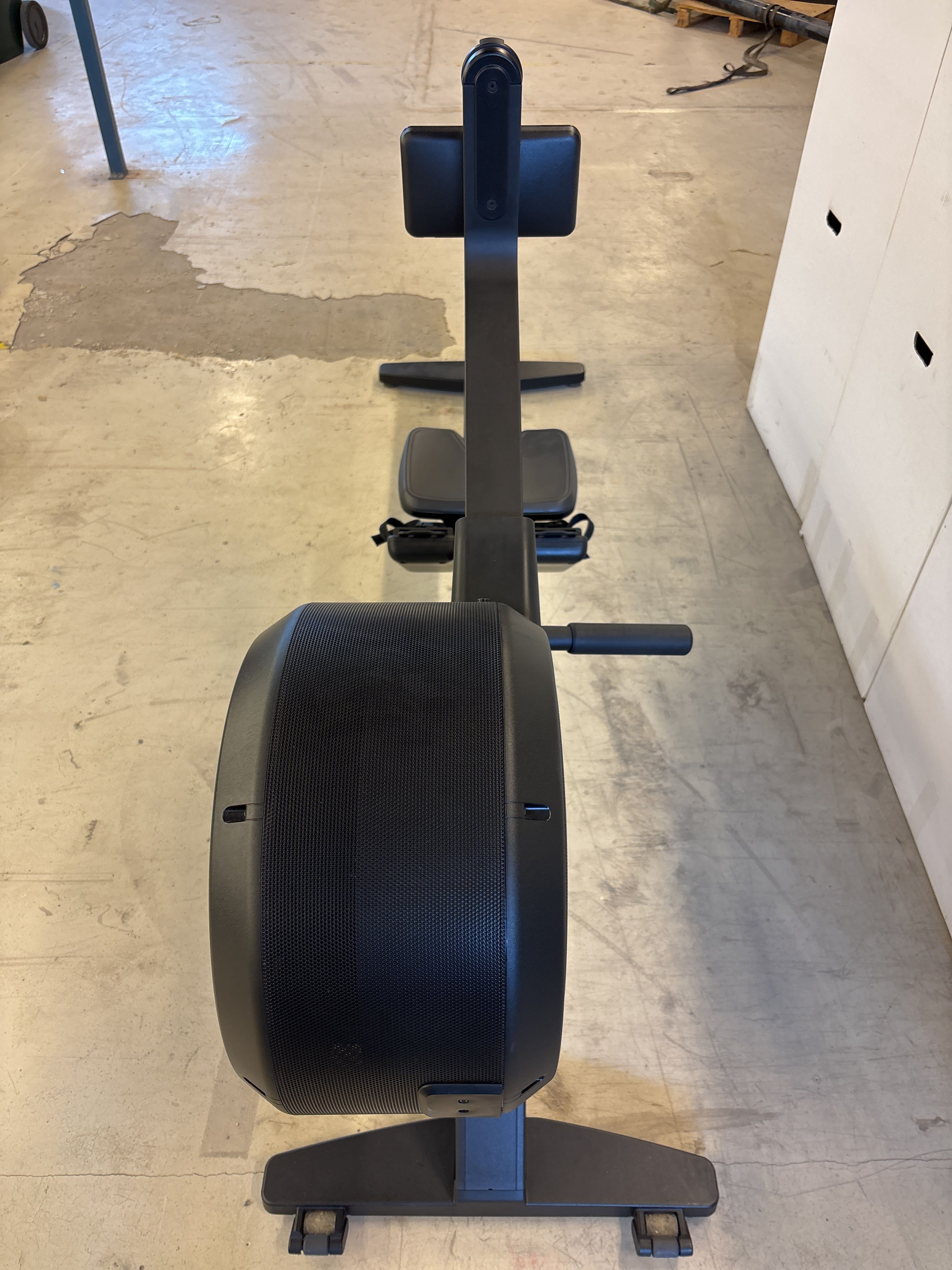
Credit: psauction.com
Boost Stroke Efficiency
Boosting stroke efficiency on your rowing machine makes workouts more effective. It helps you use less energy and get better results. Small adjustments can improve your rowing form and power delivery. These simple DIY hacks will help you row smoother and stronger.
Adjusting Footrests For Power
Set your footrests at the right height to increase leg drive. Your feet should feel secure but not cramped. Tighten the straps so your feet stay stable during each stroke. Proper foot placement helps transfer more power from your legs to the machine. Experiment with angles for the best push-off. This small change increases overall stroke strength.
Optimizing Handle Grip
Hold the handle with relaxed hands to avoid tension. Use tape or grip sleeves to prevent slipping. A comfortable grip reduces fatigue and improves stroke control. Keep your wrists straight and avoid gripping too tight. This helps maintain smooth, consistent pulls. Better grip leads to better power and less strain.
Improving Seat Glide Smoothness
Clean and lubricate the seat rails regularly for smooth movement. Use silicone spray or light oil to reduce friction. Check for debris that can block the seat’s glide. A smooth seat allows consistent stroke rhythm and better timing. This boosts your stroke efficiency and comfort during workouts.
Enhance Resistance Control
Enhancing resistance control on your rowing machine improves your workout quality. It allows you to adjust the intensity precisely. This helps you build strength and endurance effectively. Simple DIY hacks can help you achieve better resistance control without spending much. These methods use easy-to-find materials and small adjustments to your machine.
Adding Bottom Resistance Hacks
Adding bottom resistance increases the effort needed for each stroke. You can attach small weights or resistance bands near the base. Use sturdy hooks or clamps to secure these items safely. This extra load makes your muscles work harder. It also helps mimic rowing on rough water or against strong currents.
Using Household Items For Resistance
Common household items can add creative resistance to your rowing routine. Try filling a backpack with books and placing it on your lap. Use thick rubber bands stretched across the rower’s frame for tension. Even water bottles tied to the seat rail can add drag. These simple tools boost resistance without complex tools or parts.
Fine-tuning Magnetic Settings
Many rowing machines have magnetic resistance that you can adjust. Use the control dial or digital settings to find the right level. Clean the magnetic flywheel and sensors regularly for smooth operation. Tighten loose parts that affect resistance consistency. Small tweaks here make your workout smoother and more effective.
Maximize Power Transfer
Maximizing power transfer on a rowing machine improves workout efficiency and results. Small adjustments in technique and body control help you use energy better. This section explores simple hacks to get the most from every stroke.
Rowing Technique Tweaks
Focus on pushing with your legs first before pulling with your arms. This sequence uses your strongest muscles for power. Keep your hands relaxed and avoid pulling too hard with your arms alone. Smooth, controlled movements reduce wasted effort. Practice slow strokes to build muscle memory for proper form.
Body Positioning For Strength
Maintain a straight back to protect your spine and boost power. Lean slightly forward at the catch position to engage your core. Keep your shoulders down and away from your ears. Tighten your abdominal muscles to stabilize your body. Correct posture transfers force more effectively from legs to handle.
Maintaining Consistent Rhythm
Row at a steady pace to keep power flowing smoothly. Avoid jerky or rushed strokes that waste energy. Use a metronome or music with a steady beat as a guide. Breathing evenly helps maintain rhythm and endurance. Consistency in timing trains muscles to perform efficiently.
Improve Comfort And Safety
Improving comfort and safety on your rowing machine enhances every workout. Small changes reduce pain and prevent injuries. This helps you row longer and better. Here are simple DIY hacks to make your rowing sessions safer and more comfortable.
Diy Seat Padding Ideas
Rowing seats can get hard and uncomfortable fast. Make your own cushion using foam or memory foam. Cut the foam to fit the seat shape perfectly. Cover it with a washable fabric for easy cleaning. Attach it firmly with Velcro strips or strong tape. This adds softness and reduces pressure on your sit bones.
Preventing Slips And Injuries
Slipping on the foot pedals or handles can cause injuries. Use non-slip tape on the pedals to improve grip. You can also add rubber mats under the machine to stop it from sliding. Check all bolts and screws regularly to keep parts tight. Wear proper shoes with good soles to avoid slipping.
Ergonomic Handle Modifications
Handles that hurt your hands or wrists need fixing. Wrap the handles with soft tape or bicycle grip tape for cushioning. Shape the tape so it fits your hand comfortably. Consider adding foam grips to reduce strain. This helps maintain a natural wrist position and lowers the risk of pain.
Maintain Your Machine
Keeping your rowing machine in top shape improves performance and safety. Regular care prevents breakdowns and costly repairs. Simple maintenance tasks can save time and money. A well-maintained rower feels smoother and lasts longer. Follow these easy hacks to maintain your machine effectively.
Lubrication And Cleaning Hacks
Lubricate moving parts to reduce friction and noise. Use silicone spray or light machine oil for best results. Clean the rail and seat rollers weekly to avoid dust buildup. Wipe down the handle and frame after each use. Avoid harsh chemicals that damage materials. A clean machine performs better and feels better.
Quick Fixes For Common Issues
Tighten loose bolts and screws to stop rattling sounds. Check the foot straps and replace if worn out. Adjust the chain tension if it feels slack or too tight. Replace worn-out seat rollers to prevent uneven movement. Fix squeaky parts with a little lubricant. Small fixes keep your workout smooth and safe.
Extending Machine Lifespan
Store your rowing machine in a dry, cool place. Avoid exposing it to direct sunlight or moisture. Inspect cables and pulleys regularly for signs of wear. Replace damaged parts promptly to prevent further damage. Use a cover to protect the rower from dust. Proper care extends the life of your machine significantly.
Track And Motivate Progress
Tracking your progress on a rowing machine helps keep you motivated. It shows how far you have come and what to improve. Seeing real results makes workouts more rewarding. Simple DIY hacks can make monitoring easy and fun.
Diy Performance Monitoring Tools
Create your own tracking system using a whiteboard or notebook. Write down time, distance, and strokes per minute after each session. Use a stopwatch or phone timer for accuracy. Mark personal bests and improvements over time. This visual record encourages steady progress without fancy gadgets.
Setting Custom Goals
Set clear goals that fit your fitness level. Goals can be distance, time, or calorie targets. Break big goals into smaller steps to stay motivated. Write goals where you see them daily. Adjust goals as you improve to keep challenges fresh and exciting.
Incorporating Challenges And Rewards
Create friendly competitions with friends or family using your DIY tracker. Challenge yourself with weekly or monthly targets. Celebrate achievements with small rewards like a favorite snack or rest day. Rewards make the effort feel worthwhile and keep motivation high.

Credit: www.youtube.com
Frequently Asked Questions
How Can I Mimic My Rowing Machine At Home?
Create a DIY rowing machine using resistance bands, a sturdy seat, and a handle attached to a pulley or rope system. Use a smooth sliding surface for the seat. Practice rowing motions to mimic the workout. This setup offers an effective home rowing experience.
Can I Row With Spinal Stenosis?
Rowing with spinal stenosis depends on severity. Mild cases may row gently; avoid if pain or severe symptoms occur. Consult a doctor first.
Does Rowing Help Lower Cholesterol?
Rowing improves heart health by lowering total cholesterol, LDL, and triglycerides. Regular rowing reduces heart disease risk.
Is A Rowing Machine Good For Hip Arthritis?
A rowing machine offers low-impact exercise that can improve hip mobility and reduce arthritis pain. Maintain proper form to avoid strain. Consult a doctor before starting to ensure safety and suitability for your condition.
Conclusion
DIY hacks for your rowing machine save time and money. Small changes improve your workout comfort and efficiency. Simple fixes keep your machine running smoothly longer. Try easy adjustments to boost your rowing experience. These tips fit any skill level or budget.
Enjoy better workouts with less hassle every day. Keep experimenting with new ideas to stay motivated. Your rowing machine can feel brand new again. Start applying these hacks today and see the difference!
I am a certified fitness coach with over 10 years of experience helping people improve their strength, endurance, and overall health. Specializes in workout programming, weight training, fat loss, muscle building, home fitness, and evidence-based nutrition.My goal is to make fitness simple and practical through well-researched guides, honest product reviews, and actionable training advice.