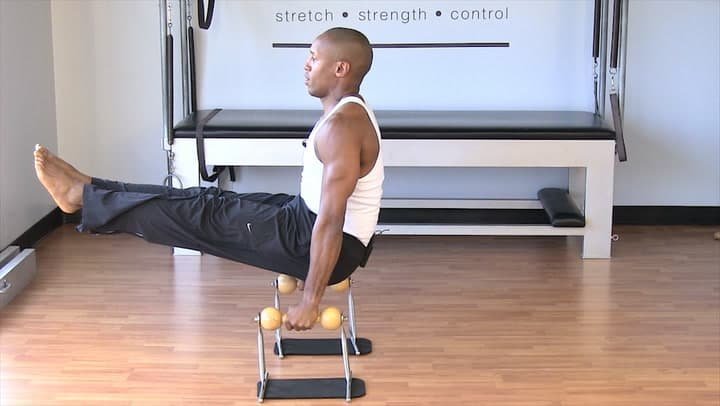
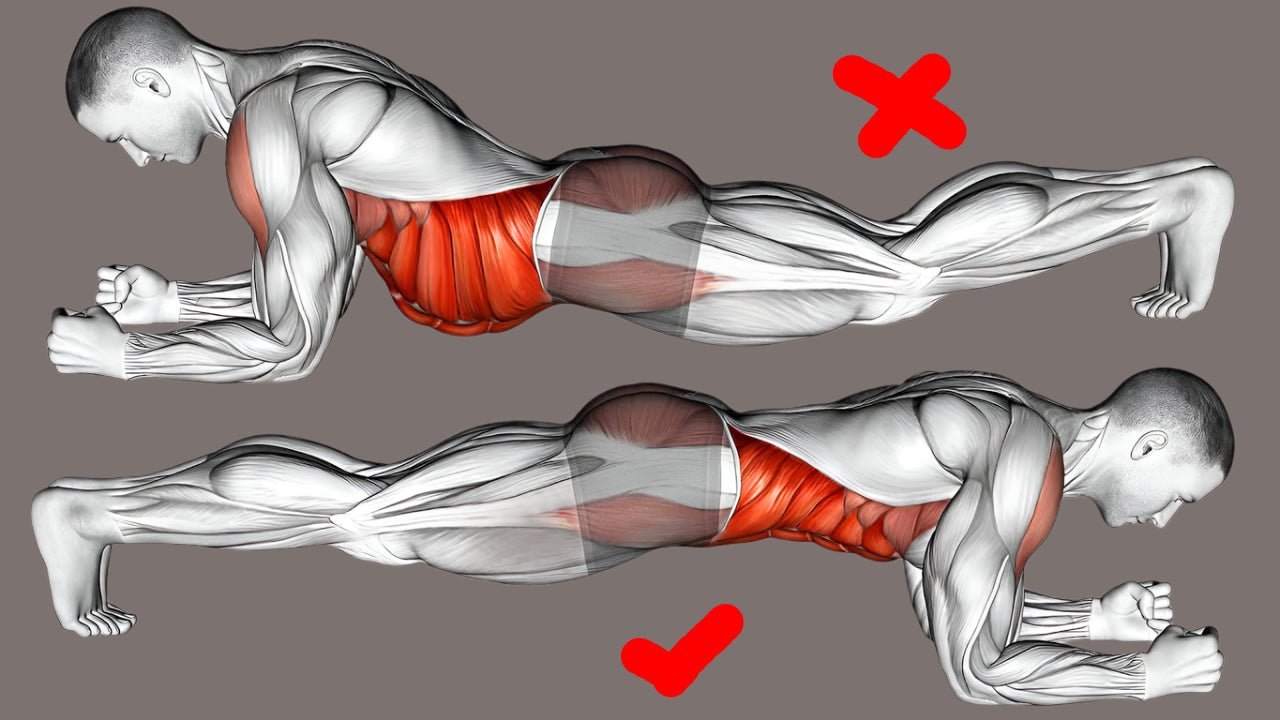
Planks build a stronger core in about 30 to 60 seconds per set, done 3 times, 3 to 4 days a week. You’ll hold one straight line from your head to your heels, squeeze your abs, and breathe.
What you’ll need
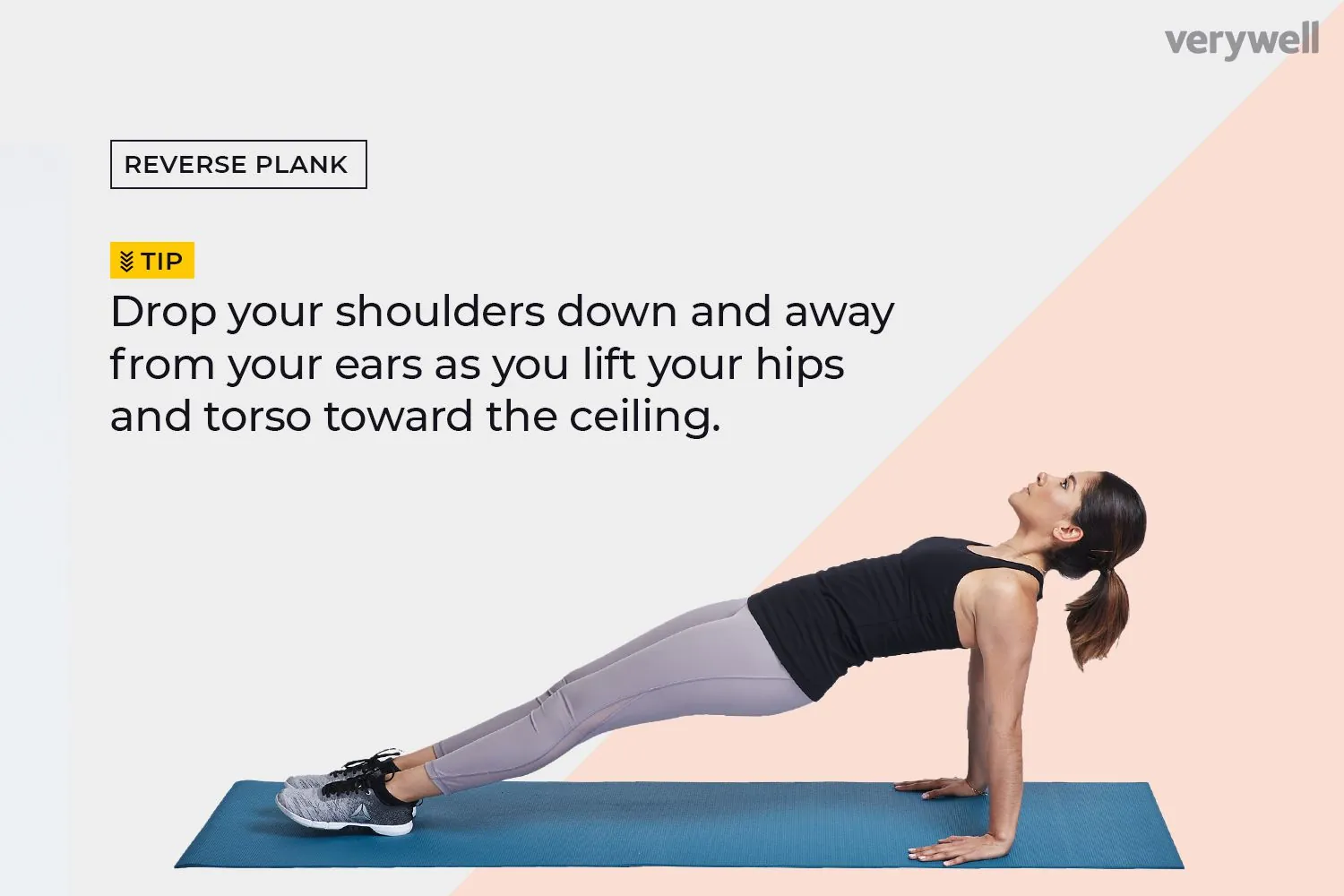
You don’t need a gym for this. Just clear a small space and check your setup before you start.
- A non-slip exercise mat, or a folded towel on a hard floor
- A flat, clear space about 2 meters long — enough for your full body
- Comfortable clothes that don’t bunch at the hips
- A phone timer, or a wall clock you can see
- A mirror, or your phone camera, to check your hip position
- A water bottle within reach
- A doctor’s OK first, if you have back, shoulder, or wrist problems
A thick yoga mat works fine; a soft, squishy mattress does not, because your hips sink and your form breaks down.
How to do a plank step by step
- Lie face down on your mat, forearms on the floor, elbows directly under your shoulders.
- Tuck your toes and press your forearms into the floor to lift your body off the ground.
- Form one straight line from your head through your hips to your heels. Don’t let your hips sag or pike up.
- Squeeze your abs and glutes like you’re bracing for a light punch. Keep your neck relaxed, eyes on the floor.
- Breathe normally — slow, steady breaths through the whole hold. Holding your breath makes it harder.
- Hold for 20 to 30 seconds if you’re new. Add 5 seconds each week as it gets easier.
- Lower your knees to the floor to finish. Rest 30 to 60 seconds, then repeat for 3 sets total.
Tip: Film yourself from the side once. Most people think their hips are level when they’re actually sagging.
Careful: Stop right away if you feel a sharp pain in your lower back. That’s a sign your hips dropped, not that you’re weak.
Careful: If you have a wrist, shoulder, or back injury, or you’re pregnant, talk to a doctor or physical therapist before you start. They can tell you which version is safe for you.
How planks change
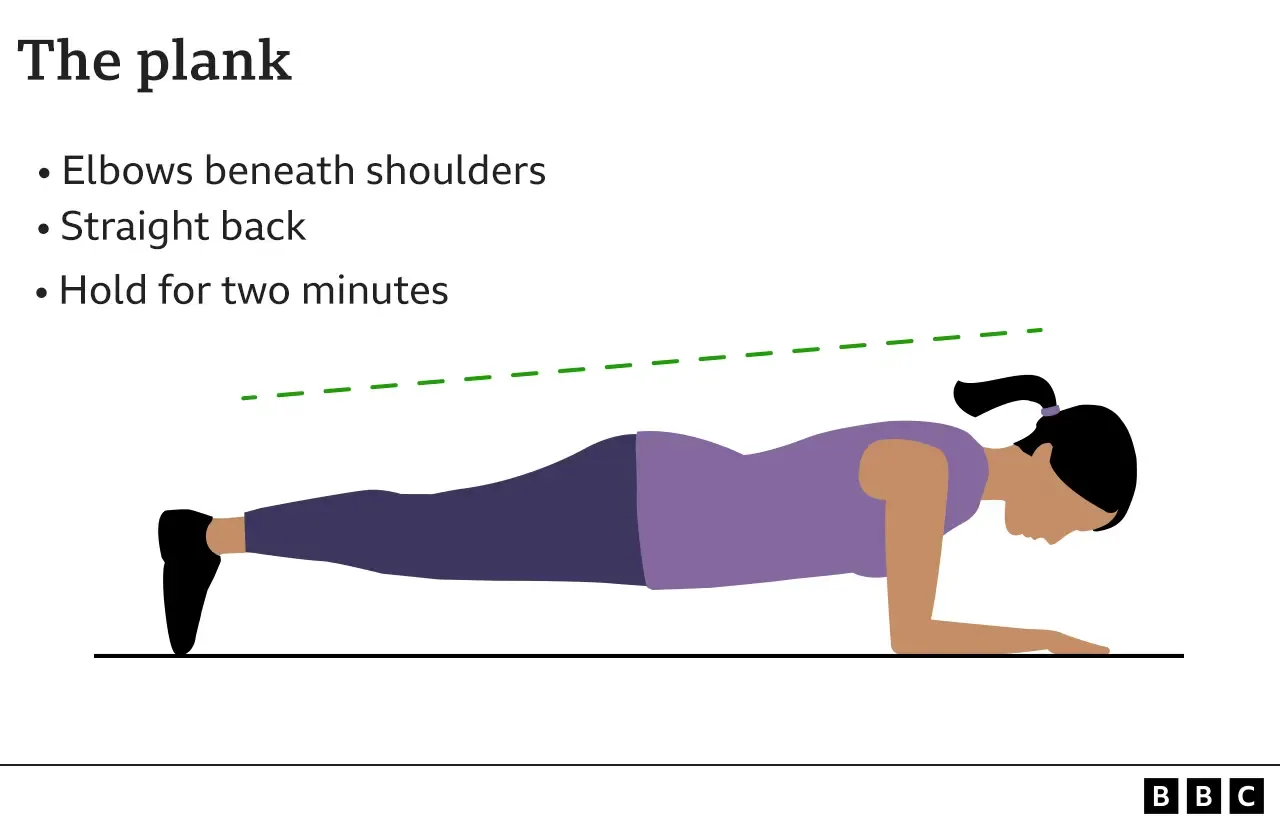
The time and effort shift a lot depending on where you’re starting from. Here’s how it looks across common situations.
| Your situation | Time per set | What’s different | What to watch |
|---|---|---|---|
| Complete beginner | 10–20 seconds | Knees stay down | Keep hips level, not twisted |
| Some fitness base | 30–60 seconds | Full body, feet down | Don’t let hips sag |
| Wrist pain | 30–45 seconds | Forearms on floor | Keep elbows under shoulders |
| Pregnancy | Varies | Doctor’s guidance needed | Avoid if told to |
| Adding difficulty | 30–45 seconds | Lift one foot or arm | Hips stay square |
Start with the shortest hold and add time only when the last 5 seconds feel controlled. Going too long too soon is how people hurt their backs.
How to tell you did it right
A good plank feels hard but steady — your abs burn, your breathing stays calm, and your hips don’t move. A poor one looks like a tent: hips high, or a hammock: hips low and back arching.
Rules and what to do after
The American Council on Exercise lists the plank as a standard core exercise, and general fitness guidance from the CDC recommends muscle-strengthening work on 2 or more days a week. If you have any injury, a physical therapist is the right person to guide you.
Other ways to build core strength
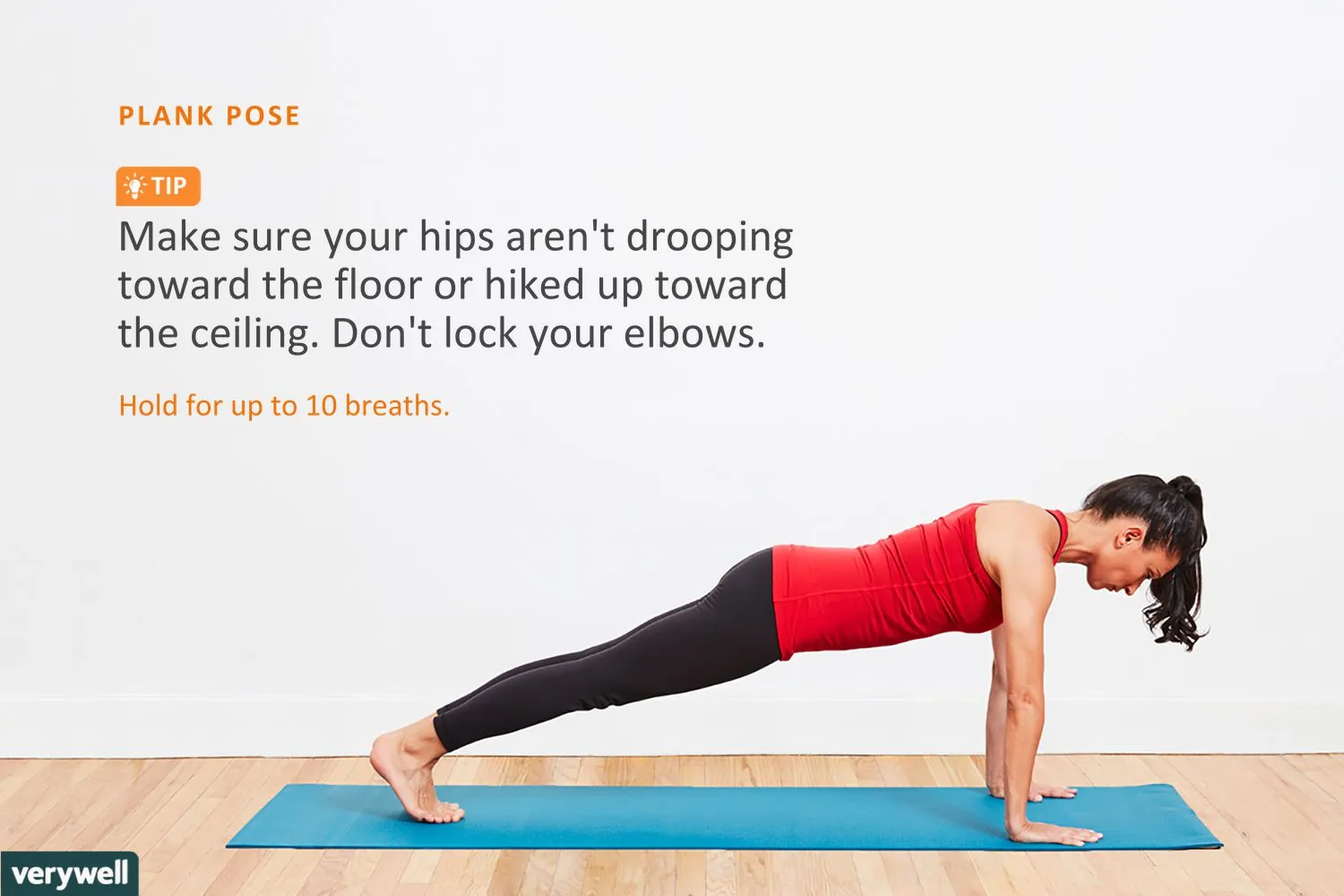
Not everyone wants the same route.
Knee planks
Drop your knees to the floor and keep the same straight line from head to hips. This cuts the load on your lower back, so you can hold longer — often 30 to 45 seconds — while you build up.
Side planks
Turn onto one forearm and stack your feet, holding your hip off the floor. Start with 15 to 20 seconds per side and build from there.
Get a trainer
A certified trainer watches your form in real time and corrects it on the spot. It costs more than a free video, but it’s the fastest way to fix a sagging hip before it becomes a habit.
Frequently asked questions
How long should I hold a plank?
Hold 20 to 30 seconds per set if you’re new, working up to 60 seconds. The exact time depends on your starting strength — stop when your hips drop, not when the clock says so.
How often should I do planks?
Do them 3 to 4 days a week with a rest day between sessions. Your core muscles need recovery time, so daily planks aren’t better and can lead to poor form from fatigue.
Can planks help back pain?
Sometimes, yes — a stronger core supports your spine. But planks can also make back pain worse if your hips sag. Check with a doctor or physical therapist before using them for pain.
Is it safe to do planks every day?
It’s safe for most healthy people, but not ideal. Muscles rebuild during rest, so 3 to 4 days a week gives better results than pushing through daily soreness.
What happens if I hold a plank with bad form?
Your lower back takes the load instead of your abs. That can cause soreness or strain. Stop the set the moment your hips drop, and reset before continuing.
Do planks burn belly fat?
No — no single exercise spot-reduces fat. Planks strengthen your core muscles, but fat loss comes from overall activity and diet. The CDC’s activity guidelines cover the weekly targets that help.
Can beginners do planks?
Yes. Start on your knees for 10 to 20 seconds and build up. The knee version trains the same muscles with less strain on your back.
Conclusion
Planks are simple, free, and easy to scale — start with short holds, keep your hips level, and add a few seconds each week. If something hurts sharply, stop and get advice from a doctor or physical therapist before you push on.
I am a certified fitness coach with over 10 years of experience helping people improve their strength, endurance, and overall health. Specializes in workout programming, weight training, fat loss, muscle building, home fitness, and evidence-based nutrition.My goal is to make fitness simple and practical through well-researched guides, honest product reviews, and actionable training advice.