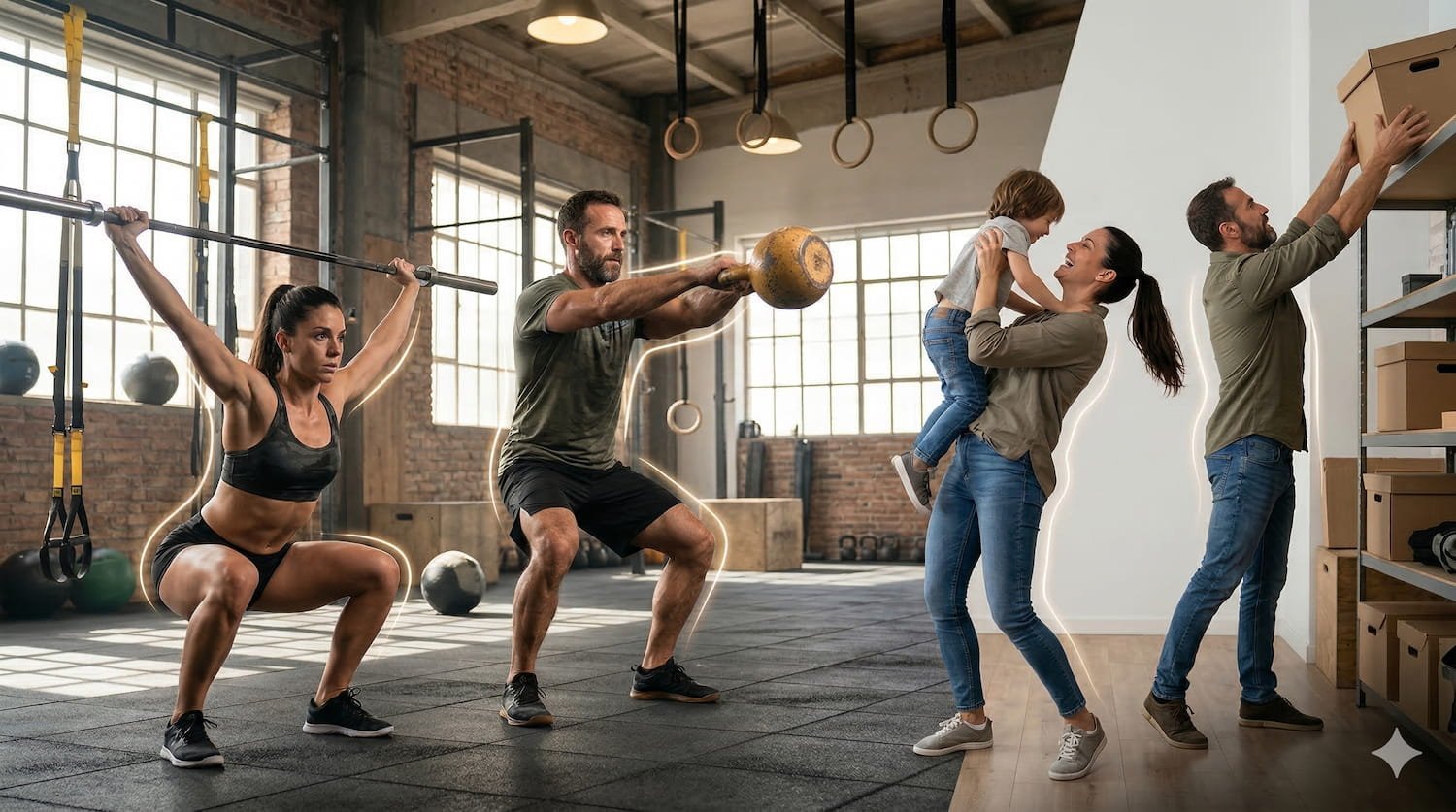
Functional training means doing exercises that copy real-life movements instead of training one muscle on a machine. Most people see progress in 4 to 8 weeks with 2 to 3 sessions a week. This guide covers the steps, numbers, and mistakes that slow you down.
What functional training really means
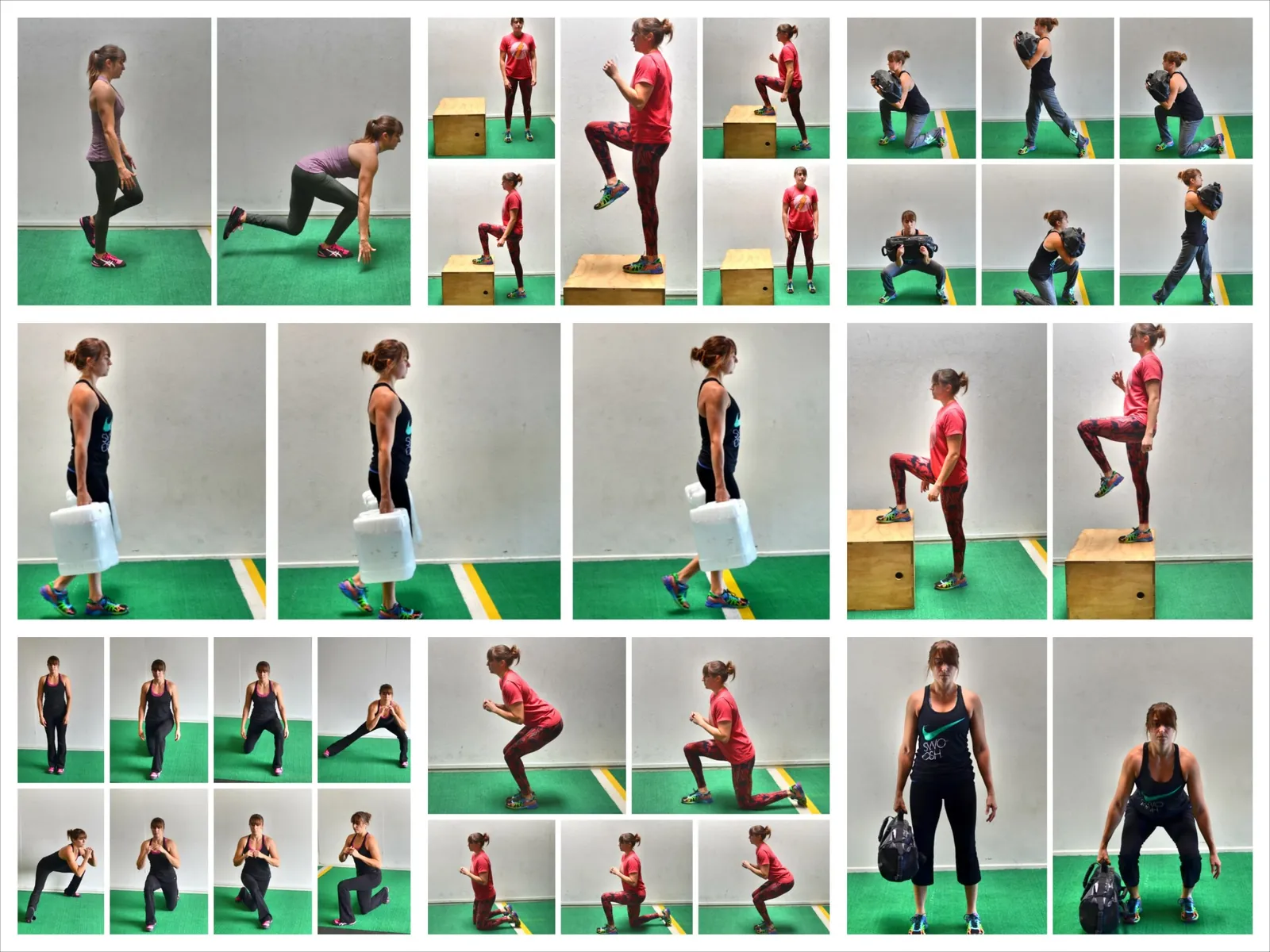
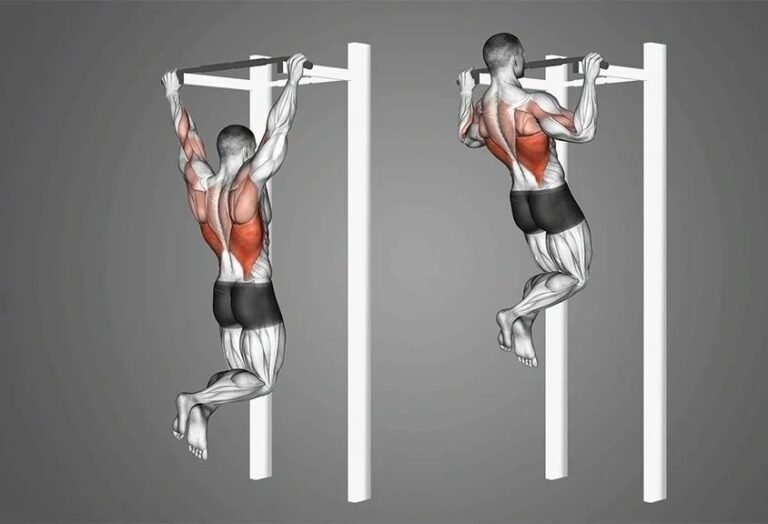
Functional training is strength work built around movements your body already makes in daily life. You train patterns — squat, hinge, push, pull, carry, rotate — not single muscles.
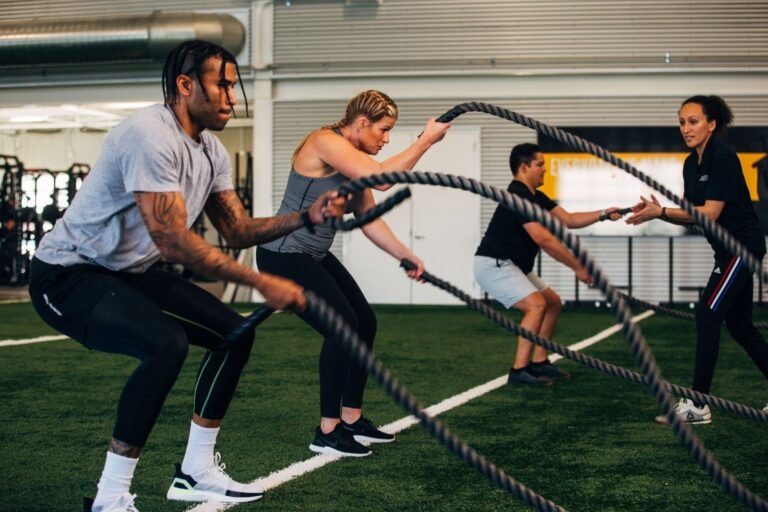
The misconception is that functional training means standing on a wobble board. It doesn’t. Your body gets stronger at the exact pattern you practice, so the pattern you choose matters more than the equipment.
How to build a functional session
- Warm up 5 to 10 minutes. Walk, then do 10 bodyweight squats, 10 hip hinges, and 10 arm circles. Keep it easy.
- Pick 5 to 6 movements. One squat, one hinge, one push, one pull, one carry, one core. That’s a full session.
- Do 2 to 3 sets of 8 to 12 reps for each movement. For carries, walk 20 to 40 meters per set instead.
- Rest 60 to 90 seconds between sets. Longer (2 minutes) if the weight felt heavy.
- Train 2 to 3 days a week, with a rest day between sessions. Two days works if you’re new.
- Add weight or reps slowly. When 12 reps feel easy at your current weight, go up one small step.
- Cool down 5 minutes. Easy walking and slow stretching. Don’t rush this part.
The key is load versus form. If your knees cave in or your back rounds, the weight is too heavy — drop it and finish the set clean. A trainer or physical therapist should guide you if you have an injury or pain that doesn’t settle.
Key numbers to remember
Use these as starting points, not fixed rules. Your weight, age, and training history change every number here.
| Situation | What to use | How long | What to watch for |
|---|---|---|---|
| Complete beginner | Bodyweight only | 2 sessions a week, 25 min each | Soreness for 1 to 2 days is normal |
| Returning after a break | Half your old weight | 2 to 3 sessions a week | Don’t jump back to old loads |
| Building strength | Dumbbells or kettlebells | 3 sessions a week, 40 min | Form breaks before muscles do |
| Fat loss goal | Same plan, shorter rests | 3 sessions a week | Diet matters more than the session |
| Older adult (60+) | Bodyweight, chair support | 2 sessions a week | Balance work before load |
| Sport preparation | Loaded carries, jumps | 3 to 4 sessions a week | Needs a coach for jumps |
What good form looks like in practice
Experienced lifters prepare before they load. They check the floor space, set their feet shoulder-width, and brace their core before the first rep — not during it.
They also work in a fixed order: big movements first, small ones last. Partway through, they film one set on a phone and check knee tracking and back position. What they leave alone is the weight. Ego lifting is the fastest way to stall.
Common problems and what to do
| What you notice | What it usually means | What to do first |
|---|---|---|
| Knees cave inward on squats | Weak hip muscles or too much weight | Drop the load, push knees out |
| Lower back aches after hinges | Back rounding under load | Lighten it, relearn the hip hinge |
| No progress after 6 weeks | Same weight, same reps every week | Add reps or weight each week |
| Wrist pain on push-ups | Hands too far forward | Move hands under shoulders |
| Dizzy during carries | Holding your breath | Breathe out on the effort |
Safety rules and who sets them
The Physical Activity Guidelines for Americans from the U.S. Department of Health and Human Services recommend at least 150 minutes of moderate activity a week, plus muscle-strengthening work on 2 or more days. Sharp pain or dizziness means stop and see a doctor.
Keeping progress after the first block
Write down your weights and reps each session — a phone note is fine. Retest one movement every 4 to 6 weeks: same weight, count your clean reps. If the number hasn’t moved, change one thing, not five. When life gets busy, cut to 2 short sessions instead of stopping. Two sessions hold most of your strength; zero sessions don’t.
When it isn’t the right choice
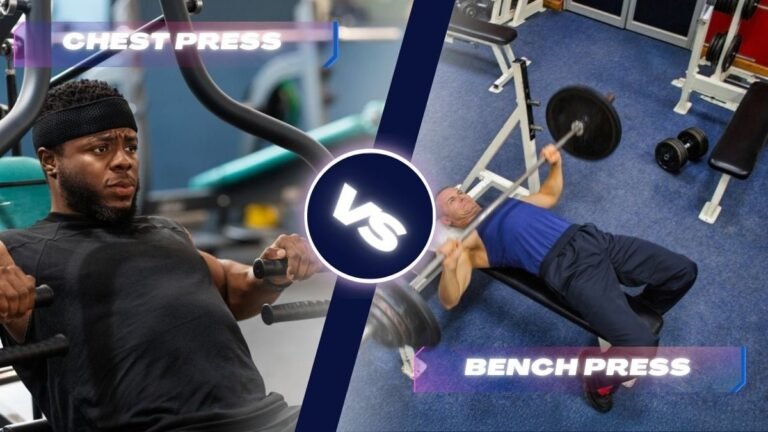
Skip it if you’re training for a max bench press or a powerlifting meet — those sports need barbell-specific work. If you have an acute injury, a physical therapist should lead your rehab, not a general plan.
Frequently asked questions
How many days a week should I do functional training?
Two to three days a week, with a rest day between sessions. Beginners do well on two; experienced lifters can handle three to four if recovery is good.
How long until I see results?
Four to eight weeks for noticeable strength gains, assuming 2 to 3 sessions a week and steady progress in weight or reps. Balance and daily movement often improve sooner.
Is functional training safe for beginners?
Yes, if you start with bodyweight and learn form first. Get medical clearance if you have a heart condition, are pregnant, or are recovering from injury or surgery.
Can I do functional training at home?
Yes. A chair, a wall, and one pair of dumbbells cover most movements. You’ll need more space and a coach only for jumps and heavy carries.
What’s the difference between functional training and regular gym training?
Regular gym training often isolates one muscle on a machine. Functional training trains whole movement patterns — squat, push, pull, carry — so the strength transfers to daily tasks.
Do I need equipment for functional training?
No. Bodyweight squats, push-ups, lunges, and planks are all functional. Dumbbells or kettlebells help once bodyweight feels easy.
What happens if I stop for a month?
You’ll lose some strength, but muscle memory brings it back faster than the first time. Restart at about half your old weight and rebuild over 2 to 3 weeks.
Conclusion
Start with two sessions a week and one movement you can do well. Add load only when 12 clean reps feel easy. That single habit beats any complicated program you’ll quit in three weeks.

I am a certified fitness coach with over 10 years of experience helping people improve their strength, endurance, and overall health. Specializes in workout programming, weight training, fat loss, muscle building, home fitness, and evidence-based nutrition.My goal is to make fitness simple and practical through well-researched guides, honest product reviews, and actionable training advice.