
HIIT workouts are short bursts of hard exercise — usually 20 to 40 seconds — split by 10 to 20 seconds of rest, repeated for 10 to 30 minutes total. You push near your hardest during each burst, then recover just enough to go again.
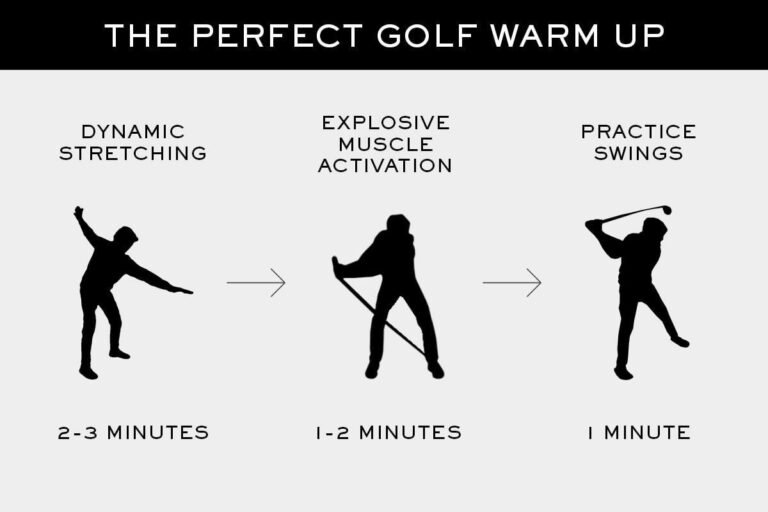
The most common mistake happens before the first rep: no warm-up. Cold muscles asked to sprint in 30 seconds is how people pull something in week one. Five minutes of easy movement first, every single time.
How to run HIIT workouts
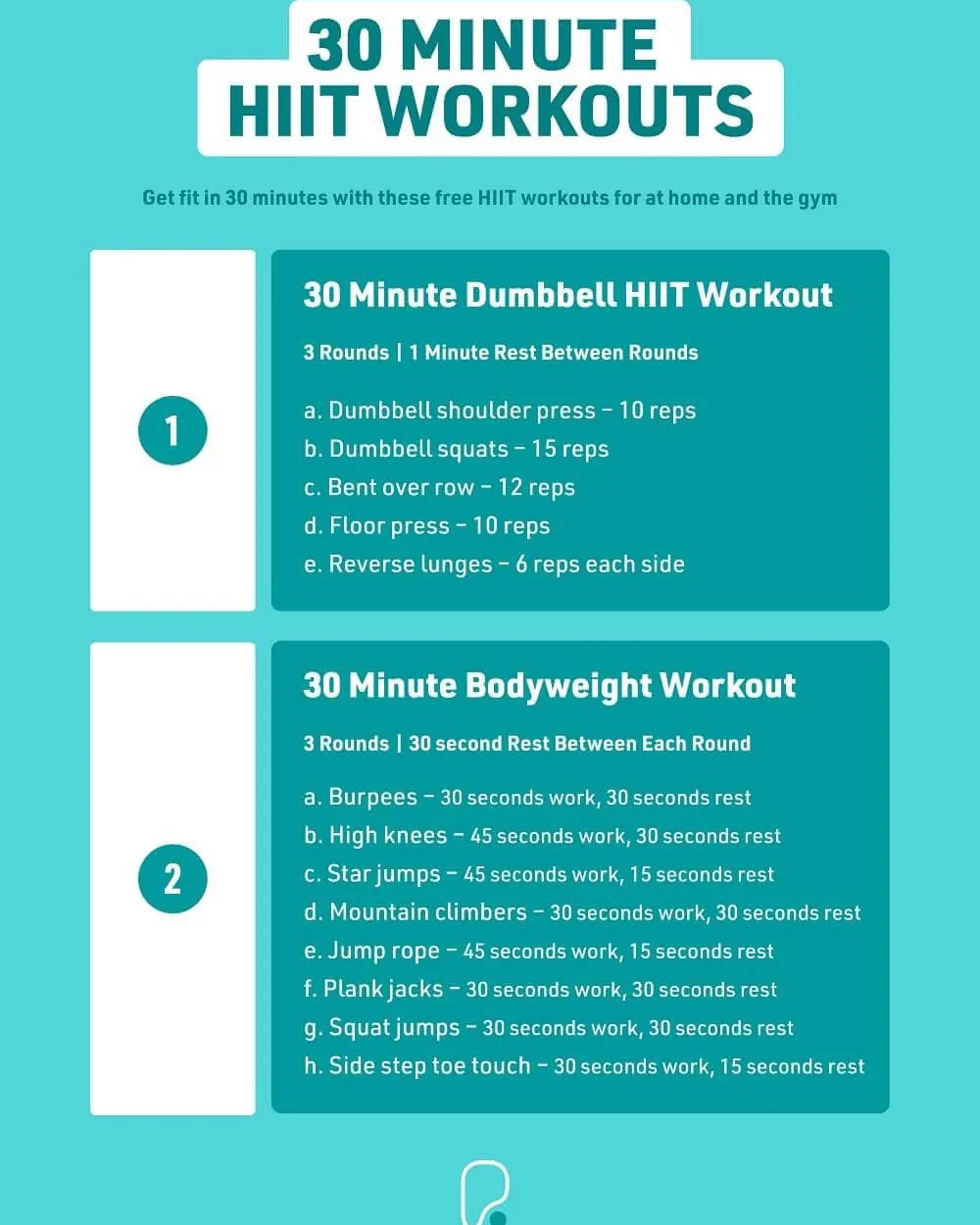
- Warm up for 5 minutes. Jog in place, cycle easy, or do dynamic leg swings and arm circles. Your breathing should be up, but you should still talk normally.
- Pick 4 to 6 moves you can do safely at speed — burpees, mountain climbers, jump squats, high knees, or a bike sprint. Fewer moves means less transition time wasted.
- Set your work and rest. A common starting point is 30 seconds hard, 30 seconds easy, for 8 to 10 rounds. That’s 8 to 10 minutes of actual work.
- Push to about 8 out of 10 effort during each work interval. You should be breathing too hard for a full sentence by the end of it.
- Rest fully between rounds — 60 to 90 seconds if you’re new. Cutting rest short early on just lowers the quality of every round after it.
- Cool down for 3 to 5 minutes with easy walking and slow breathing. This helps your heart rate come down gradually.
Tip: If your form breaks down — knees caving in, back rounding on burpees — stop the round early. A sloppy rep at speed is where injuries start.
Tip: Three sessions a week is plenty to start. The Physical Activity Guidelines for Americans from the U.S. Department of Health and Human Services recommend at least 150 minutes of moderate activity or 75 minutes of vigorous activity weekly — HIIT counts toward the vigorous side.
If you have a heart condition, joint problems, or you’re pregnant, talk to your doctor before your first session. This isn’t a workout you self-prescribe around a medical issue.
How long HIIT takes to show results
Most people notice better stamina in 2 to 3 weeks if they train 3 times a week. Visible body changes usually take 6 to 8 weeks, and that assumes your eating stays roughly the same.
| Situation | How long | What changes it | What to watch for |
|---|---|---|---|
| Complete beginner, 3x a week | 3-4 weeks for stamina | Rest quality between rounds | Soreness that lasts past 3 days |
| Already fit, 3x a week | 2-3 weeks for stamina | How hard you push each round | Plateaus from never going harder |
| 2x a week only | 6-8 weeks for stamina | Total weekly volume | Slow progress feels like no progress |
| Body composition change | 6-8 weeks | Diet and total activity | Expecting fat loss from HIIT alone |
| Soreness after session 1 | 24-72 hours | How new the moves are | Pain in a joint, not a muscle |
If it’s taking much longer than the table says, look at your effort level first — most slow progress comes from work intervals that aren’t actually hard.
Signs a HIIT session worked
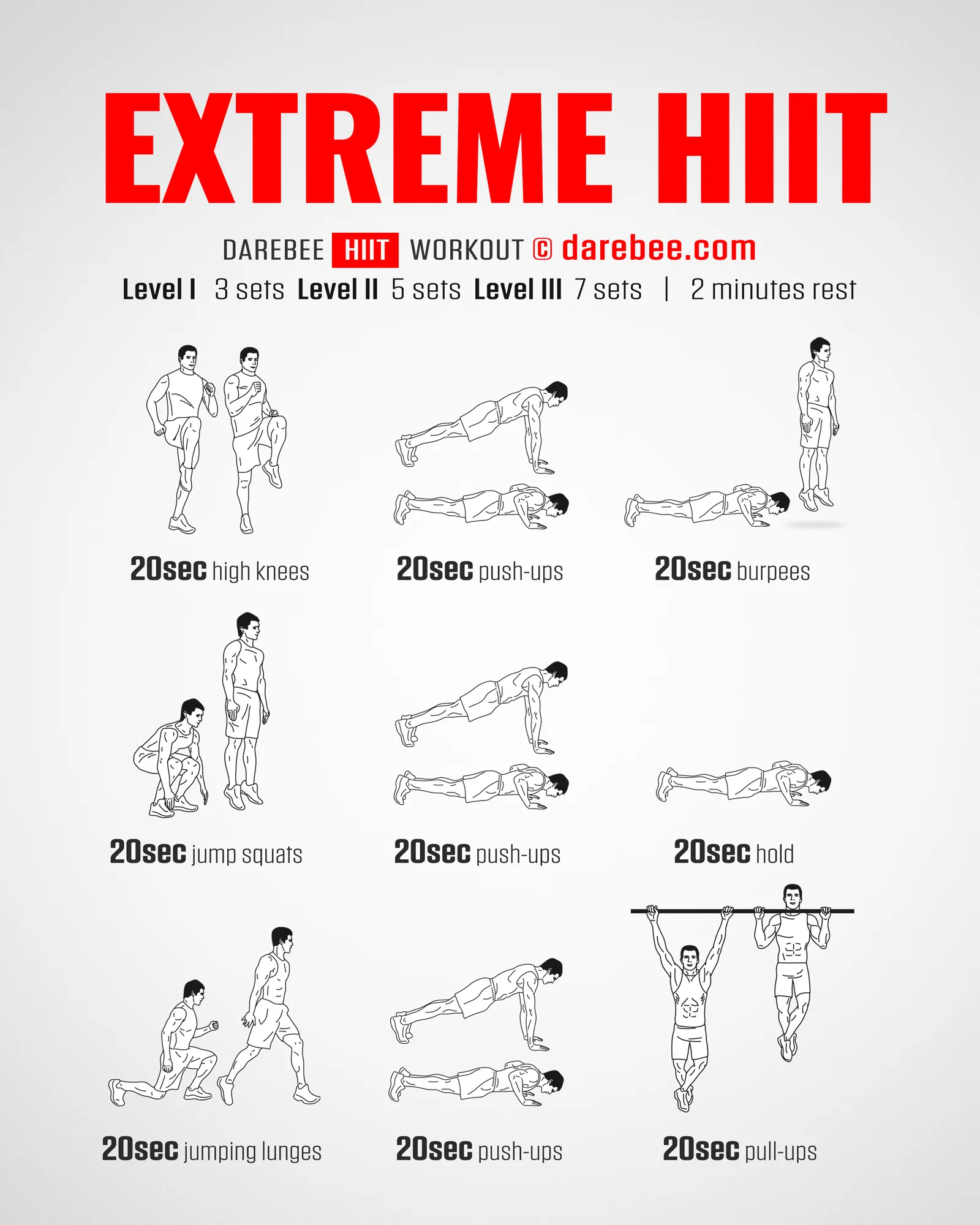
You’ll know it worked if you’re breathing hard for a minute or two after your last round and can’t hold a conversation at the end of a work interval.
The test that settles it: could you have done one more round at the same speed? If yes, you weren’t pushing hard enough. If you were gasping and your form was falling apart, you went too far.
Mild soreness for a day or two is normal. Sharp pain during the move, or soreness that lasts more than three days, means you went past your current level. The American College of Sports Medicine publishes exercise guidance you can check for effort and frequency standards.
Mistakes that spoil a HIIT session
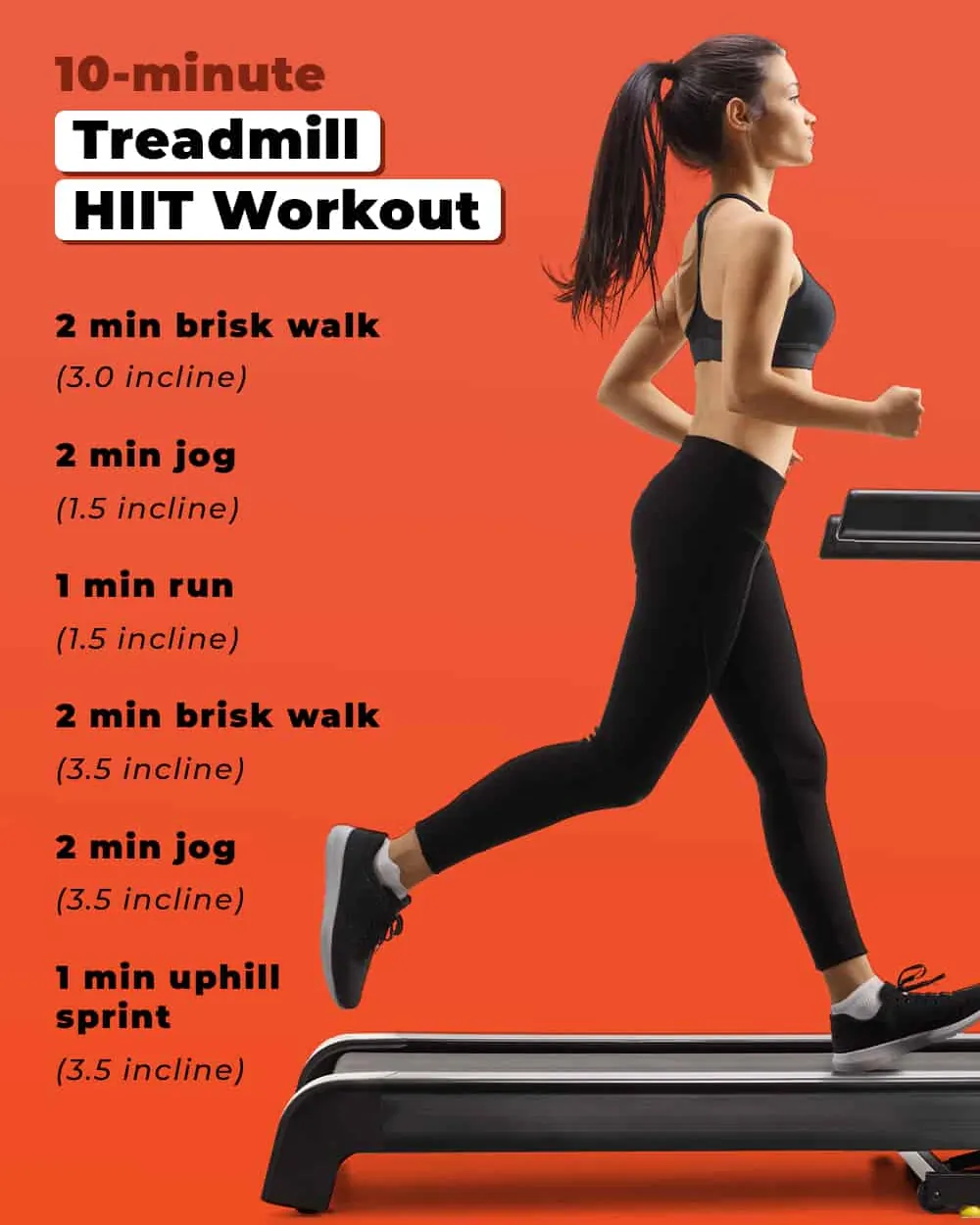
- Skipping the warm-up. Cold muscles asked to sprint get strained. Five minutes of easy movement first costs you nothing and prevents the injury that sidelines you for weeks.
- Going all-out in week one. Your body needs time to adapt to hard intervals. Start at 8 out of 10 effort and build up over 2 to 3 weeks.
- Treating rest as optional. Cutting rest short lowers the quality of every round after it. Rest is part of the workout, not a break from it.
- Doing HIIT every day. Hard intervals need 24 to 48 hours of recovery. Three or four sessions a week is the ceiling for most people.
- Ignoring form for speed. A fast burpee with a rounded back is how you hurt your spine. Slow down until the movement is clean, then add speed.
Frequently asked questions
How long should a HIIT workout be?
Most sessions run 10 to 30 minutes total, including warm-up and cool-down. If you’re new, aim for 10 to 15 minutes with 8 rounds of 30 seconds work and 30 seconds rest. Going past 30 minutes usually means your intensity has dropped too low to count as HIIT.
Can beginners do HIIT workouts?
Yes, with lower-impact moves and longer rest. Swap jump squats for bodyweight squats and burpees for step-backs. Start with 6 rounds instead of 10, and add a round each week as your recovery improves.
How many times a week should I do HIIT?
Three times a week works for most people, with at least one rest day between sessions. Beginners can start at 2 sessions weekly. Going past 4 sessions a week raises injury risk without adding much fitness benefit.
Is HIIT safe for your heart?
For most healthy adults, yes — hard intervals are a normal stress on the heart. But if you have a heart condition, high blood pressure, or chest pain during exercise, get cleared by a doctor first. Stop immediately if you feel dizzy or short of breath in a way that doesn’t ease with rest.
What happens if I do HIIT every day?
You’ll likely see performance drop within 1 to 2 weeks — slower times, worse form, and constant fatigue. Muscles repair during rest, not during the workout. Daily hard intervals also raise injury risk, especially in the knees and lower back.
Do HIIT workouts build muscle?
They build some muscle, mainly in the legs and core, but not as much as lifting weights. HIIT is better for stamina and time efficiency. If muscle size is your main goal, pair 2 HIIT sessions a week with 2 to 3 strength sessions.
What should I eat before a HIIT workout?
A small snack 60 to 90 minutes before works well — something like a banana or toast with peanut butter. Skip heavy or greasy food within 2 hours of training. If you train first thing in the morning, water and a light snack are usually enough.
Conclusion
HIIT works because it’s short and honest — you get out what you put in during those work intervals. Start with 3 sessions a week, warm up every time, and let your effort level climb over the first month. The people who stick with it aren’t the ones going hardest on day one. They’re the ones still showing up in week six.

I am a certified fitness coach with over 10 years of experience helping people improve their strength, endurance, and overall health. Specializes in workout programming, weight training, fat loss, muscle building, home fitness, and evidence-based nutrition.My goal is to make fitness simple and practical through well-researched guides, honest product reviews, and actionable training advice.