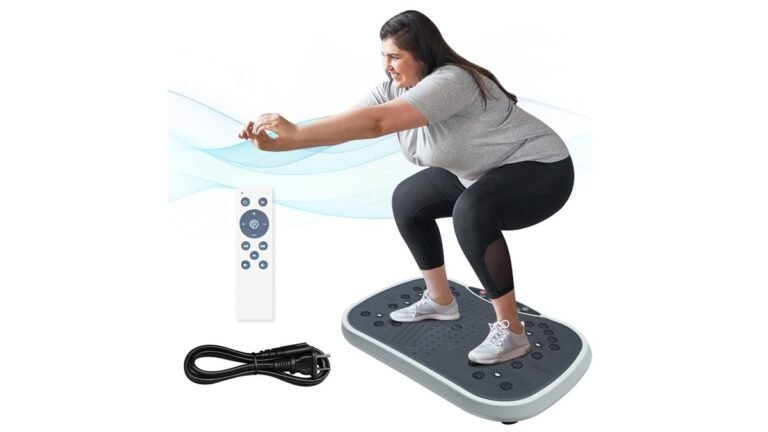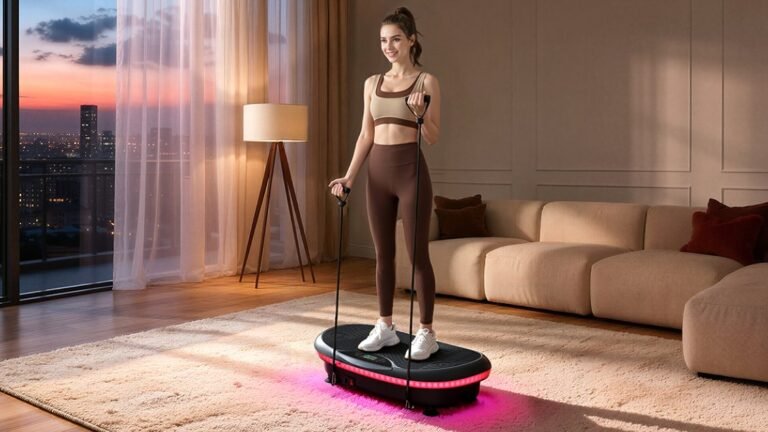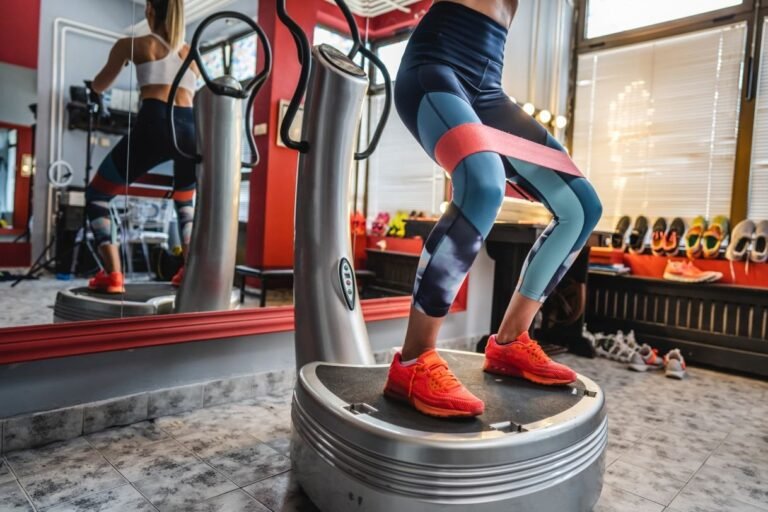
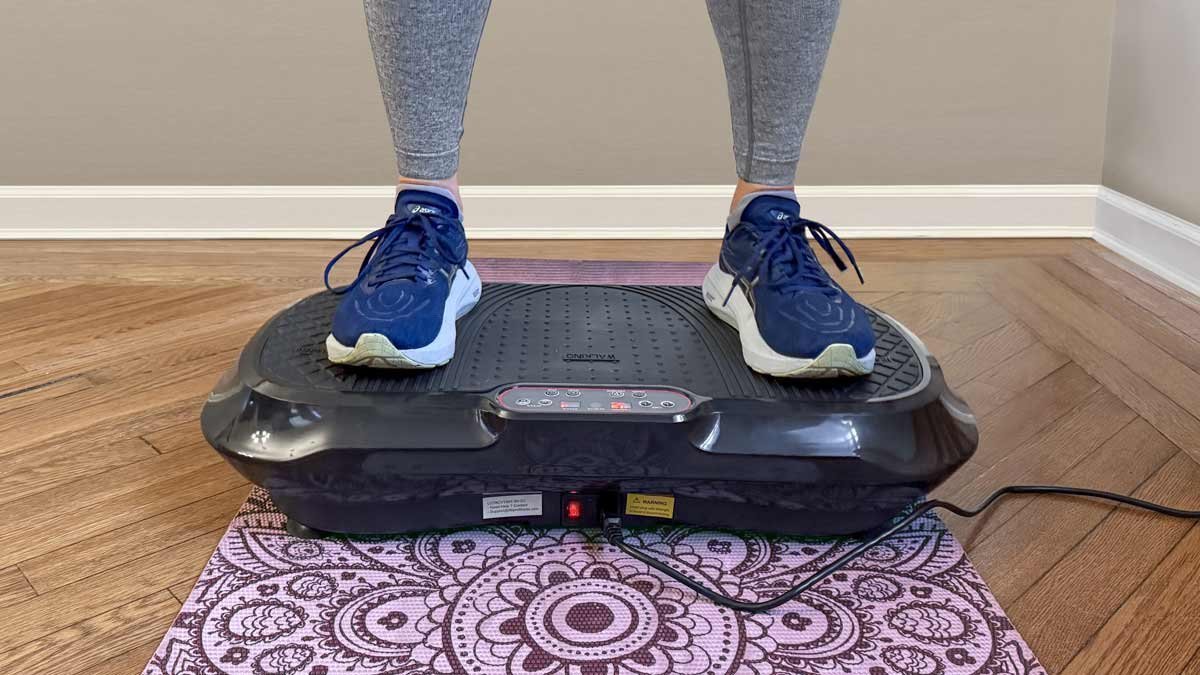
A basic vibration plate costs about $50 to $150. Mid-range models run $150 to $400, and full-size plates with handles and programs go from $400 to over $1,500.
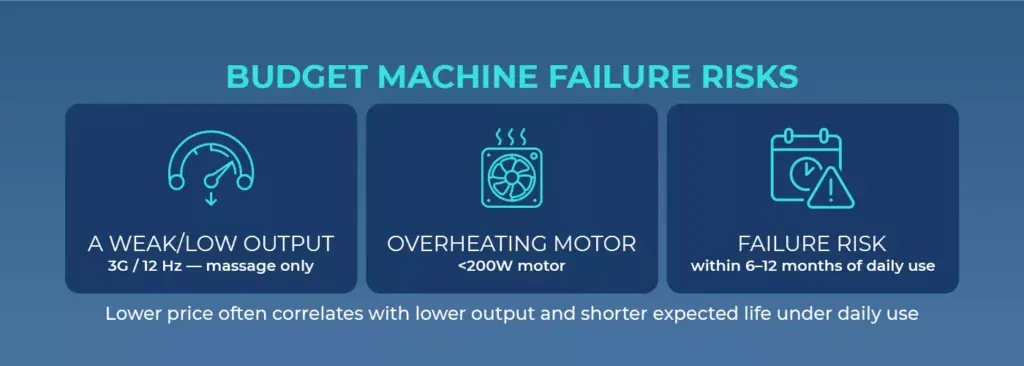
Two things decide whether you get your money’s worth: the motor’s power rating and the plate’s weight limit. A weak motor shakes less as soon as you stand on it, so a cheap plate can feel nothing like the store demo.
How to choose the right vibration plate

- Set your budget range first. Decide whether you’re shopping the $50–$150 band or the $400+ band before you open any store page. This stops you comparing a mini plate against a full-size one, which is never a fair fight.
- Check the weight limit against your own body weight. Choose a plate whose weight limit is comfortably above your own body weight. A plate rated at exactly your weight will strain.
- Match motor power to the plate size. Small mini plates often list 200–300 watts; full-size plates with handles usually run higher. More watts means the platform keeps shaking when you step on it, not just when it spins empty.
- Measure your floor space before you buy. Mini plates fit in a closet corner. Full-size plates need roughly the footprint of a small treadmill. If space is tight, a mini plate is the honest choice.
- Confirm the return window and warranty in writing. Ask for the return period and what the warranty actually covers — motor, frame, or both. Get it in an email before you pay.
- Test the settings in the store if you can. Step on, hold the handrails, and run it for 2 minutes. If a store won’t let you, buy from a seller with a no-questions return policy instead.
Tip: Never judge a plate by how it shakes with nothing on it. The motor has to move your weight, so test it loaded.
Tip: If you have a heart condition, a pacemaker, a recent fracture, or you’re pregnant, talk to your doctor before you buy one at all. Whole-body vibration isn’t a safe DIY choice for everyone.
How long until a vibration plate pays off
If you’re comparing cost against a gym membership, the plate usually pays for itself in 6 to 18 months — but that assumes you actually use it. A $300 plate used 4 times a week beats a $1,200 plate that becomes a clothes rack.
| Situation | How long | What changes it | What to watch for |
|---|---|---|---|
| Mini plate, light daily use | 1–3 years | Motor quality, weight limit | Motor noise getting louder |
| Mid-range plate, 4–5 sessions a week | 3–5 years | Belt and motor wear | Slower shake at the same setting |
| Full-size plate with handles | 5–8 years | Build quality, brand support | Worn handrail grips |
| Buying used | Unknown | Previous owner’s use | No warranty transfers |
If it’s taking far longer than the table suggests to feel any benefit, the problem is usually the routine, not the machine — check your session length and frequency before you blame the plate.
Signs your vibration plate is working
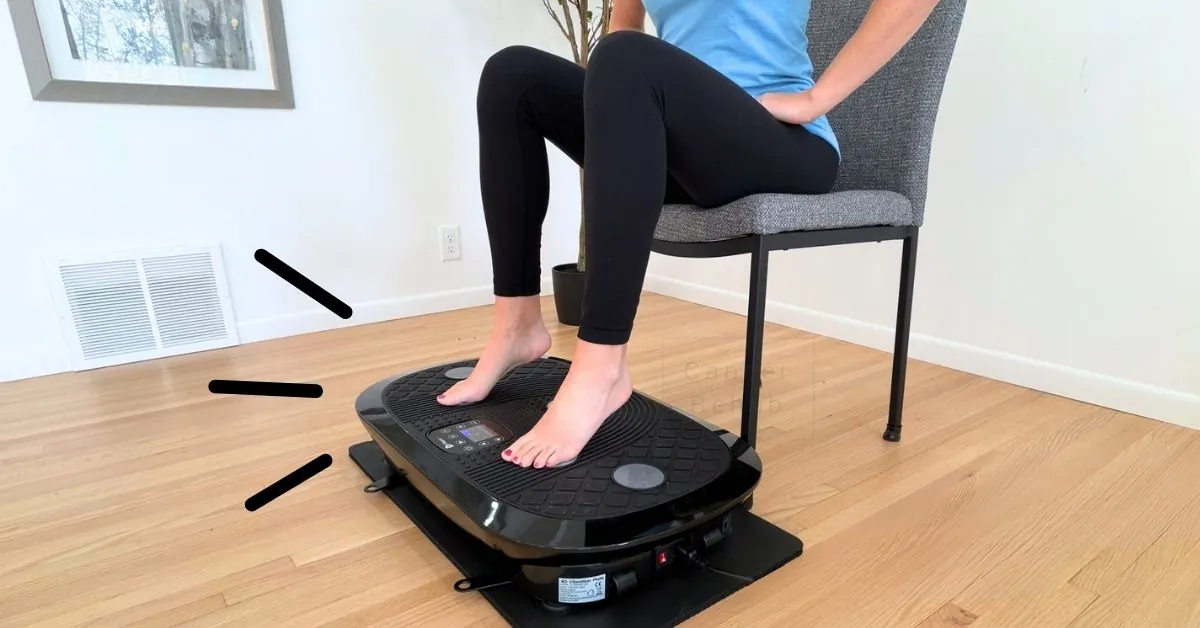
You’ll notice the shake staying steady when you step on, no rattling from the frame, and the belt running quiet. The U.S. Consumer Product Safety Commission publishes recall notices for fitness equipment, so check there if a model number looks familiar.
Vibration plate mistakes that cost you
- Buying on price alone. A $60 plate with a low weight limit strains the moment you stand on it, and you’ll replace it within a year. Check the weight rating before the price tag.
- Ignoring the weight limit. Exceeding the rated weight limit overloads the motor and can void your warranty. Add 20–30 lb of headroom above your own weight.
- Skipping the return policy check. Fitness equipment is bulky and expensive to ship back. Confirm the return window in writing before you pay.
- Never testing the settings. A plate with one speed gives you one workout. Look for adjustable speed and, on bigger models, preset programs.
- Assuming it replaces exercise. A vibration plate is a add-on, not a substitute for strength or cardio work. If you want it to replace your gym, you’ll be disappointed.
Related guides
- Weight Plates Kg Vs Lbs Conversion
- Weight Plates Workout Routines for Beginners at Home
- Best Bumper Plates for Home Gym Reddit Picks 2026: Top Buys
Frequently asked questions
How much does a vibration plate cost?
A mini plate runs about $50 to $150. Mid-range models sit at $150 to $400, and full-size plates with handles and programs go from $400 to over $1,500. These ranges assume a new unit from a mainstream brand — prices shift with sales and model year.
Is a cheap vibration plate worth it?
It can be, if the weight limit fits you and you only want light daily use. A cheap plate with a low weight rating will strain and wear out fast. Match the rating to your weight first, then decide.
How long do vibration plates last?
Most last 3 to 5 years with regular use, assuming you stay under the weight limit and keep the belt clean. Mini plates with basic motors often go 1 to 3 years. Full-size plates with better builds can reach 5 to 8 years.
Is it safe to use a vibration plate every day?
For most healthy adults, yes — 10 to 15 minutes a day is a common starting point. If you have a heart condition, a pacemaker, a recent fracture, or you’re pregnant, check with your doctor first. Whole-body vibration isn’t right for everyone.
What happens if I use a vibration plate over its weight limit?
The motor strains, the shake weakens, and the warranty usually won’t cover the damage. It can also make the frame unstable. Stay within the rated limit, and check the manual for the exact figure.
Do vibration plates actually help you lose weight?
They add light muscle activity, but they don’t burn enough calories to replace real exercise or diet changes. Treat one as a supplement to your routine, not a shortcut. Any weight loss still comes from what you eat and how much you move.
Can I buy a used vibration plate?
Yes, but you lose the warranty in most cases and you can’t check how hard the previous owner pushed the motor. Ask to test it loaded at the seller’s place, and walk away if the shake weakens under your weight.
Conclusion
The price range is wide because the machines are genuinely different — a $60 mini plate and a $1,200 full-size plate aren’t the same product in a different box. Pick the band that matches your space, your weight, and how often you’ll actually step on it, then check the weight limit and return policy before you pay.
I am a certified fitness coach with over 10 years of experience helping people improve their strength, endurance, and overall health. Specializes in workout programming, weight training, fat loss, muscle building, home fitness, and evidence-based nutrition.My goal is to make fitness simple and practical through well-researched guides, honest product reviews, and actionable training advice.