If you’re serious about deadlifting, you know how tricky it can be to load and unload heavy plates from the barbell. That’s where a deadlift jack becomes a game-changer for your workout.
But did you know there are different types of deadlift jacks designed to fit various needs and budgets? Choosing the right one can save you time, protect your equipment, and keep your focus where it belongs—on lifting. You’ll discover the key types of deadlift jacks and how each can make your lifting sessions smoother and safer.
Ready to find the perfect deadlift jack for your home gym or training space? Keep reading to learn what suits your style and strength level best.
Credit: bodaq.vn
Deadlift Jack Basics
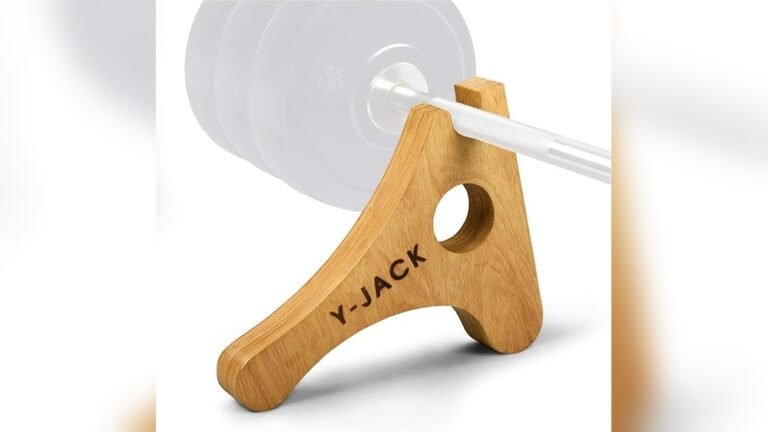
The deadlift jack is a simple tool that helps lifters manage heavy barbells. It lifts the barbell just enough to add or remove plates safely. Understanding the basics of deadlift jacks can improve your lifting experience.
What Is A Deadlift Jack
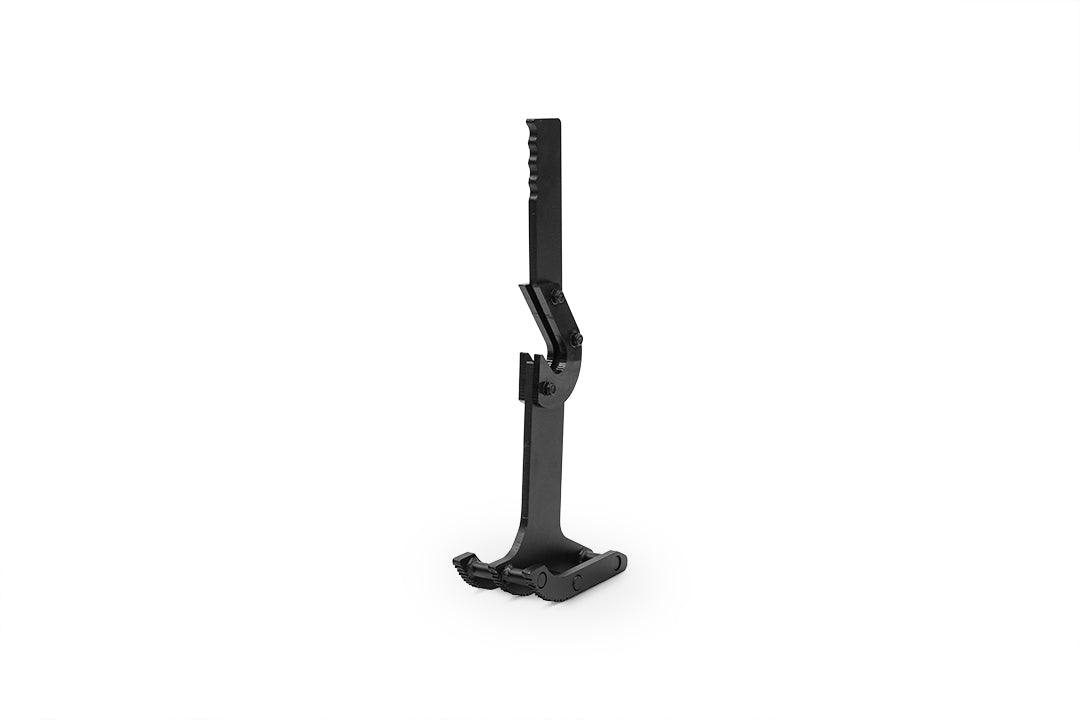
A deadlift jack is a small device used to raise one side of a barbell. It makes loading and unloading weight plates easier. The jack fits under the barbell near the collars. This tool saves time and effort during workouts.
Benefits For Lifters
Using a deadlift jack reduces strain on your back and fingers. It prevents the barbell from rolling or scratching the floor. Lifters can change plates quickly without bending too much. It also helps keep your gym space tidy and safe.
How It Works
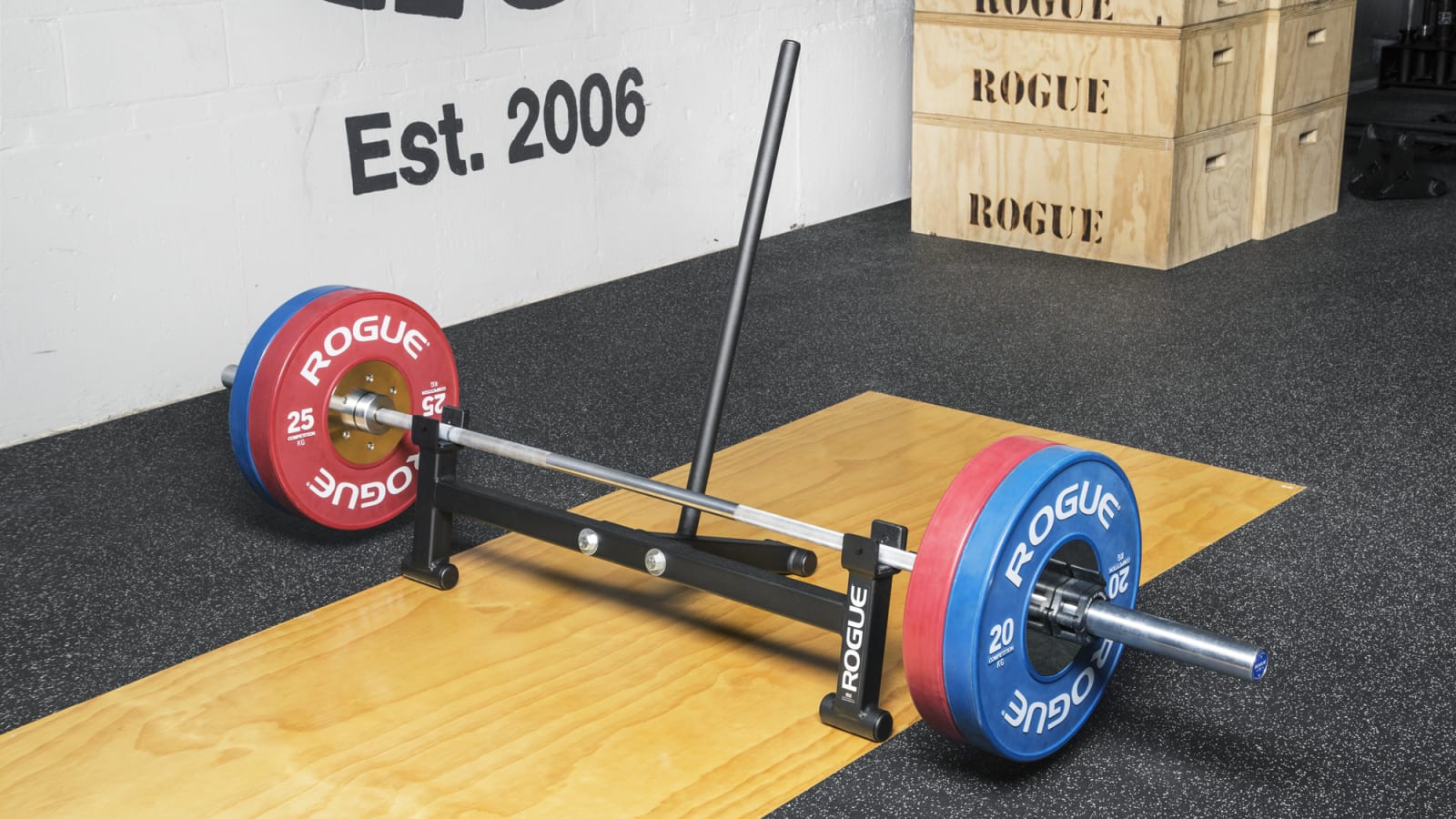
The deadlift jack works by lifting the barbell slightly off the ground. You place the jack under the bar and press down on the handle. This action raises the barbell enough to slide plates on or off. Once done, you remove the jack, and the bar rests securely on the floor.
Types Of Deadlift Jacks
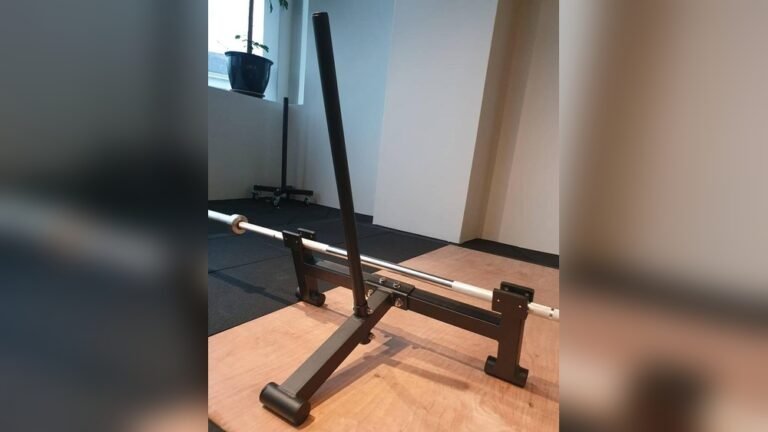
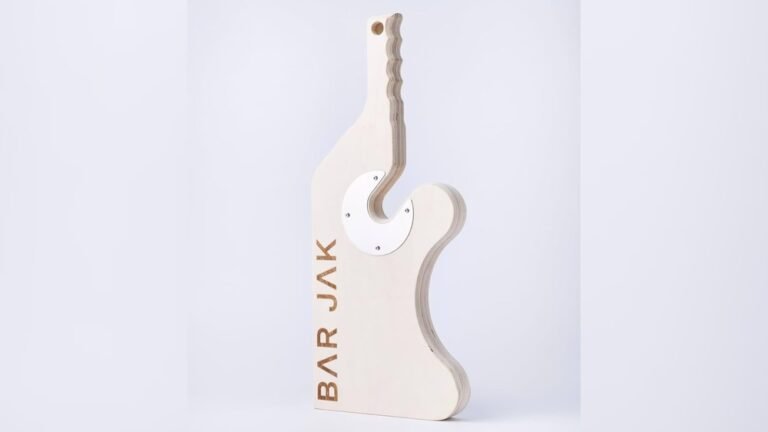
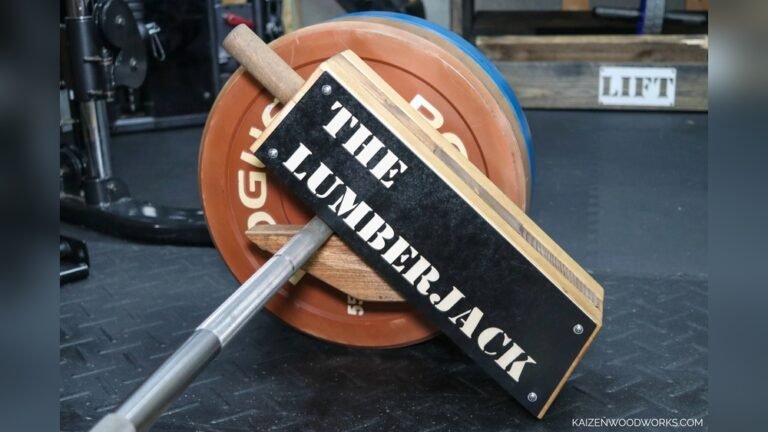
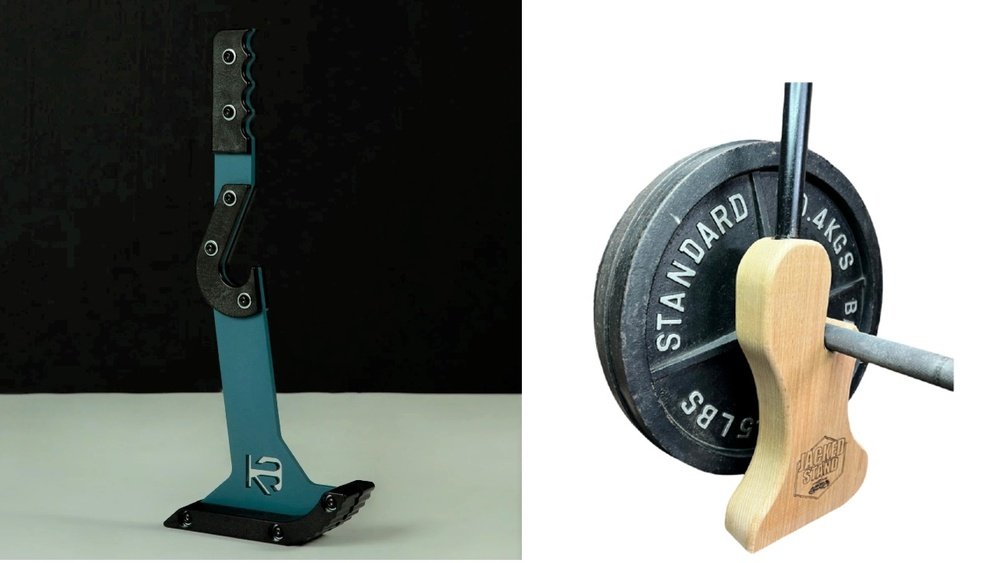
Deadlift jacks make lifting heavy barbells easier and safer. They raise the barbell slightly, allowing you to add or remove plates without bending too much. Different types of deadlift jacks serve various needs based on size, portability, and lifting capacity. Here is an overview of the common types.
Compact Jacks
Compact jacks are small and lightweight. They fit easily in gym bags or small spaces. These jacks suit casual lifters who want quick barbell access. Despite their size, they provide stable support for standard barbells. Compact jacks work well for home gyms with limited space.
Full-size Jacks
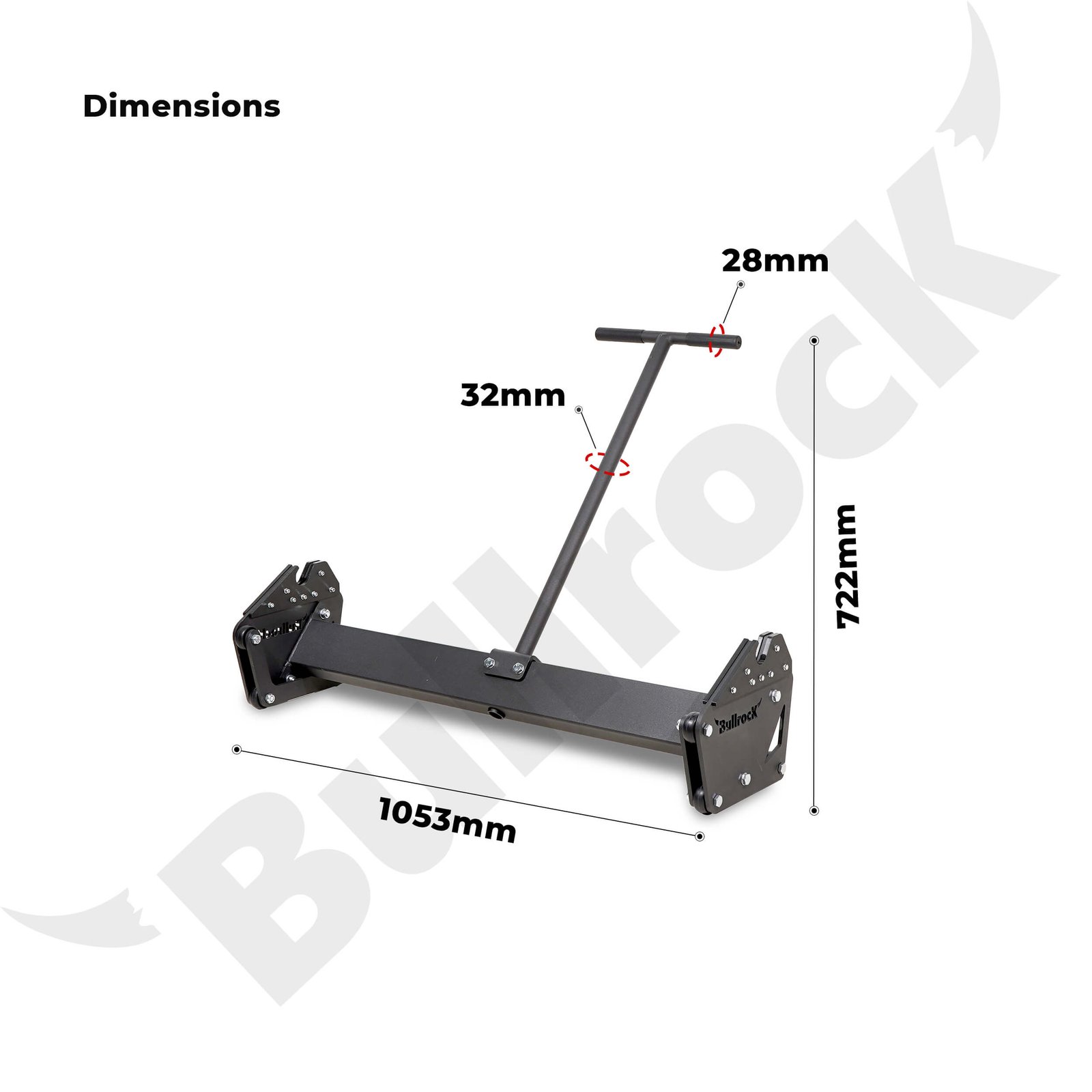
Full-size jacks offer heavy-duty lifting support. They handle heavier barbells and thicker plates. These jacks are common in commercial gyms and powerlifting competitions. Their larger design ensures durability and stability during intense lifting sessions. Full-size jacks usually come with wheels for easy movement.
L-shape Jacks
L-shape jacks have a unique angled design. This shape helps lift the barbell from one side smoothly. They provide excellent leverage and reduce the effort needed to raise the bar. L-shape jacks are popular among serious lifters who value efficiency and safety. Their shape also makes them easier to position under the bar.
Mini Deadlift Jacks
Mini deadlift jacks are the smallest type available. They lift the bar just enough to slide plates on or off. These jacks are very portable and easy to store. Mini jacks are perfect for beginners or lifters with lightweight bars. They provide basic assistance without bulk or complexity.
Material And Build
The material and build of a deadlift jack affect its performance and user experience. Choosing the right material impacts strength, weight, and lifespan. The build quality ensures safety and smooth operation during lifts. Understanding these factors helps find the best deadlift jack for your gym setup.
Steel Vs Aluminum
Steel deadlift jacks are strong and stable. They can support heavy weights without bending. Steel also resists wear and tear over time. Aluminum jacks are lighter and easier to carry. They are rust-resistant but may not hold as much weight. Aluminum suits those who need portability more than heavy-duty use.
Durability Factors
Durability depends on material thickness and weld quality. Thick steel frames last longer under heavy loads. Look for smooth welds without cracks or weak spots. Powder-coated finishes protect metal from rust. Rubber grips or pads prevent slipping and protect your barbell. Durability ensures your jack stays safe and functional for years.
Portability Considerations
Portability matters for home gyms or travel use. Aluminum jacks weigh less and are easier to move. Steel jacks are heavier but provide better stability. Some models have handles or compact designs for easier transport. Choose a jack that fits your space and lifting routine. Balance weight and strength for the best portability.
Top Deadlift Jack Brands
Choosing the right deadlift jack makes lifting safer and easier. Several brands offer quality models designed for gym and home use. Each brand has unique features to fit different needs and budgets. Here are some top deadlift jack brands trusted by lifters worldwide.
Rogue Fitness Models
Rogue Fitness is known for durable gym equipment. Their deadlift jacks are strong and stable. The Rogue Mini Deadlift Bar Jack is popular. It works well with standard barbells. Lifters appreciate its solid steel build. The design allows easy loading and unloading of weights. It suits both beginners and advanced lifters.
Bells Of Steel Options
Bells of Steel offers heavy-duty deadlift jacks. Their models include rollers for smooth barbell movement. The Bells of Steel Deadlift Jack with Rollers is a favorite. It helps lift heavy bars with less effort. The Meat Hook Deadlift Jack is compact and handy. These jacks fit well in home gyms and fitness centers. Users value their balance of quality and price.
Rep Fitness Choices
Rep Fitness provides affordable and reliable deadlift jacks. Their products often come with free delivery. The Rep Fitness Deadlift Jack features a simple design. It is easy to use and transport. This jack fits standard and Olympic bars. Many lifters like its lightweight and practical build. It is a solid choice for budget-conscious users.
Other Popular Brands
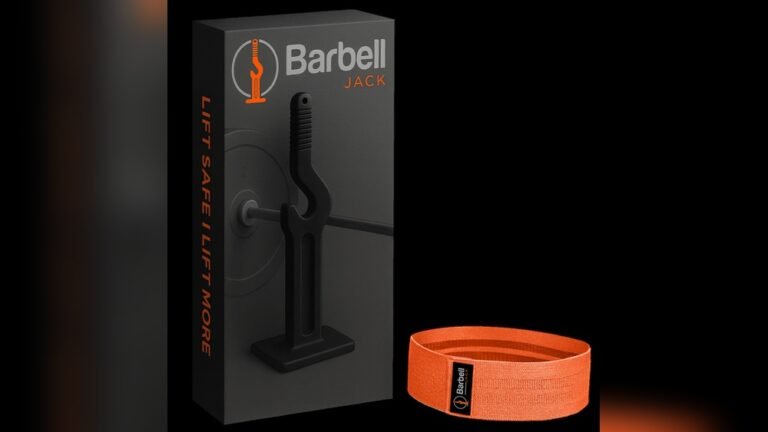
Other brands also make quality deadlift jacks. Dominion Strength Training offers budget-friendly options. The Dominion Deadlift Jack is small but effective. Strength Shop USA sells a Mini Deadlift Jack with good reviews. Texas Strength Systems has the Starting Strength Deadlift Jack. TheBarbellJack.com provides unique designs for easy barbell handling. These brands give lifters more choices for their setups.
Choosing The Right Jack
Choosing the right deadlift jack is important for safety and ease during lifting. A good jack helps you lift the barbell safely off the ground. It also saves time when loading and unloading plates. Consider your budget, space, and the weight you plan to lift. User feedback can guide your choice too.
Price Vs Performance
Deadlift jacks come in many price ranges. Cheaper models may work well for light use. Higher-priced jacks often offer better build quality. Look for a balance between cost and durability. Pay attention to materials and design. Sometimes spending a bit more gives better performance and longer life.
Space And Portability
Think about where you will store your deadlift jack. Smaller jacks are easier to carry and store. If you train in different places, portability matters. Some jacks fold or have wheels for easy transport. Bigger jacks may be more stable but take up more space. Choose based on your available room and need for mobility.
Weight Capacity
The jack must support the heaviest weights you use. Check the maximum weight capacity before buying. Using a jack with too low capacity is unsafe. Most home gym jacks handle standard barbells and plates. For heavy lifting, look for industrial-grade jacks. Always choose a jack with extra capacity for safety.
User Reviews
Reading reviews helps find reliable deadlift jacks. Users share real experiences about build and ease of use. Look for comments on durability and safety. Beware of models with many complaints about breakage. Positive reviews often mention smooth operation and strong construction. Reviews give insight beyond product descriptions.
Credit: bulldoggear.com
Using Deadlift Jacks Safely
Using deadlift jacks safely is essential to protect yourself and your equipment. These tools help lift the barbell for easy loading and unloading of weights. Proper use reduces the risk of injury and damage. Focus on correct setup, avoid common errors, and keep your jack well-maintained for best results.
Proper Setup
Place the deadlift jack on a flat, stable surface. Align it with the barbell’s sleeve before lifting. Make sure the jack’s clamp or hook grips the bar securely. Lift slowly and steadily to avoid sudden shifts. Never overload the jack beyond its weight limit. Always check the jack’s position before adding or removing plates.
Common Mistakes
Do not use the jack on uneven or slippery floors. Avoid rushing the lifting or lowering process. Do not place your fingers near moving parts. Using a jack that is too small or weak for your barbell can cause failure. Forgetting to secure the barbell after lifting can lead to accidents. Always double-check before stepping away.
Maintenance Tips
Clean the deadlift jack regularly to remove dirt and sweat. Lubricate moving parts to keep them working smoothly. Inspect for cracks, rust, or worn components before each use. Tighten loose bolts and screws to maintain stability. Store the jack in a dry place to prevent corrosion. Replace any damaged parts immediately to ensure safety.
Improving Your Deadlift Routine
Improving your deadlift routine is key to lifting smarter and safer. Using a deadlift jack can help you prepare the barbell quickly and with less effort. This tool lifts the bar just enough to add or remove plates. It saves time and keeps your focus on proper form. Here are ways a deadlift jack can boost your workout.
Faster Plate Changes
Deadlift jacks speed up the process of loading and unloading plates. They lift the bar off the ground easily. This means you spend less time bending down and more time lifting. Quick plate changes help keep your workout flow smooth. No more struggling to shift heavy plates by hand.
Reducing Injury Risk
Bending and lifting heavy plates from the floor can cause strain. A deadlift jack reduces the need to bend deeply. It lowers the chance of hurting your back or fingers. Using one promotes safer lifting habits. Staying injury-free means you can train consistently and progress faster.
Increasing Lifting Efficiency
With a deadlift jack, you maintain better posture during setup. This saves energy for the actual lift. Efficient setup leads to better focus and stronger lifts. You avoid wasted effort on awkward movements. The tool supports smooth transitions between sets and exercises.
Credit: www.roguefitness.com
Frequently Asked Questions
What Are The Different Types Of Deadlifts?
The main deadlift types include conventional, sumo, Romanian, trap bar, and stiff-legged deadlifts. Each targets muscles differently and suits various goals.
What Are The Main 3 Lifts?
The main three lifts are the squat, bench press, and deadlift. These compound exercises build overall strength effectively.
Is A 200lb Deadlift Impressive?
A 200lb deadlift is impressive for beginners and many women. Experienced lifters usually aim for higher weights.
What Are Deadlift Jacks?
Deadlift jacks lift one side of a barbell for easy plate loading and unloading. They save floor space and boost efficiency.
Conclusion
Deadlift jacks come in several types, each with unique benefits. Some models offer portability, while others focus on durability or ease of use. Choosing the right deadlift jack depends on your lifting style and gym setup. This tool helps load and unload weights safely and quickly.
Understanding these options makes your workouts smoother and more efficient. Keep your safety and convenience in mind when selecting a deadlift jack. A good choice supports your strength training progress.
I am a certified fitness coach with over 10 years of experience helping people improve their strength, endurance, and overall health. Specializes in workout programming, weight training, fat loss, muscle building, home fitness, and evidence-based nutrition.My goal is to make fitness simple and practical through well-researched guides, honest product reviews, and actionable training advice.