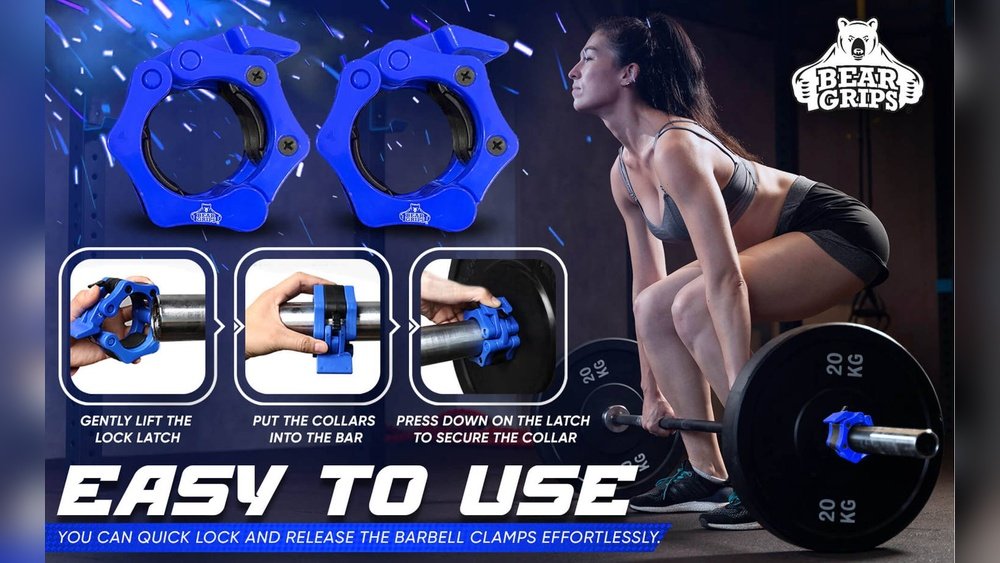
If you want your barbell collars to last longer and perform better, keeping them clean is a must. Dirty collars can cause rust, make adjustments tricky, and even affect your workout safety.
But cleaning them doesn’t have to be a hassle. In this guide, you’ll discover simple, effective steps to clean your barbell collars quickly and easily. By the end, you’ll know exactly how to maintain your gear so it stays smooth and reliable every time you lift.
Ready to give your collars the care they deserve? Let’s dive in!
Credit: tierarztpraxis-ab.de
Tools Needed
Cleaning barbell collars requires the right tools for effective results. Having these tools ready makes the process quicker and easier. Each tool plays a specific role in removing dirt, grime, and rust. Below are essential tools to keep your barbell collars in top condition.
Cleaning Brushes
Cleaning brushes help remove dust and rust from the collars. Use stiff-bristled brushes for tough grime. Soft-bristled brushes work well for delicate areas. Brushes reach tight spots that cloths cannot. Regular brushing prevents buildup and keeps collars functioning smoothly.
Cloths And Rags
Cloths and rags wipe away dirt and moisture. Use lint-free cloths to avoid leaving fibers behind. Microfiber cloths absorb oils and residues well. Keep separate rags for wet and dry use. Clean collars dry quickly with a dry cloth, preventing rust.
Cleaning Solutions
Cleaning solutions break down grease and tough stains. Use mild soap mixed with water for general cleaning. For rust spots, a vinegar solution works effectively. Avoid harsh chemicals that can damage metal. Always test solutions on a small area first to ensure safety.
Lubricants And Oils
Lubricants keep moving parts smooth and prevent rust. Apply light machine oil or silicone-based lubricants. Avoid heavy grease that attracts dirt. Lubricate collars after cleaning and drying. Proper lubrication extends the life of your barbell collars.
Removing Barbell Collars
Removing barbell collars is the first step to clean them properly. Taking off the collars allows better access to all parts. Proper removal helps maintain their function and extends lifespan. Follow safe and simple methods to avoid damage or injury.
Safety Precautions
Wear gloves to protect your hands from sharp edges. Work on a flat, stable surface to prevent slipping. Keep fingers clear of pinch points when handling collars. Use proper tools if needed to avoid straining your hands. Check the barbell and collars for damage before removal.
Steps To Disassemble
Start by loosening the collar by turning it counterclockwise. Pull the collar gently away from the barbell sleeve. If stuck, use a rubber grip or cloth for better hold. Repeat the process on the other side of the barbell. Place the collars on a clean surface to keep track of them. Inspect each collar for dirt, rust, or damage before cleaning.
Cleaning Techniques
Keeping barbell collars clean helps extend their life and keeps workouts safe. Use simple cleaning techniques regularly to remove dirt, sweat, and rust. These methods also keep your barbell looking fresh and working well.
Dry Brushing The Knurling
Start by using a stiff dry brush on the collars’ knurling. Brush back and forth to remove dust and chalk. This method clears small particles without damaging the metal. It also helps maintain grip and prevents buildup in hard-to-reach spots.
Wiping Off Chalk And Sweat
Take a clean cloth and wipe the collars after each use. Sweat and chalk can cause corrosion if left to sit. Use a slightly damp cloth for stubborn spots, then dry immediately. This simple step keeps collars clean and prevents unpleasant odors.
Dealing With Rust And Dirt
For rust, apply a small amount of white vinegar or a rust remover on a cloth. Rub the affected areas gently until the rust lifts. Use a soft brush for dirt stuck in grooves. Rinse with water and dry thoroughly to stop rust from returning.
Deep Cleaning Tips
Deep cleaning barbell collars keeps them in top shape and extends their life. Dirt, sweat, and rust can build up inside and outside the collars. Simple cleaning might not remove all grime. Use these deep cleaning tips for better results. They help maintain smooth rotation and prevent damage.
Using Scotch-brite Pads
Scotch-Brite pads remove rust and grime effectively. Lightly scrub the collar’s surface with the pad. Avoid heavy pressure to prevent scratches. Focus on rusty spots and rough patches. After scrubbing, wipe away residue with a clean cloth. This method brightens the metal and smooths rough areas.
Applying Metal Polish
Metal polish restores shine and protects against rust. Apply a small amount to a soft cloth. Rub the collar’s surface in circular motions. Let the polish sit for a few minutes. Wipe off with a clean, dry cloth. Repeat if needed for extra shine. This step also creates a protective layer on the metal.
Cleaning Inside The Sleeves
Inside the sleeves, dirt and grime can block smooth movement. Use a cotton swab or small brush to reach inside. Dip it in a mild cleaning solution or rubbing alcohol. Gently clean the inner surface and remove buildup. Dry the sleeves completely before using the collars again. This keeps the collars rotating freely during workouts.
Lubrication And Maintenance
Keeping your barbell collars in top shape requires regular lubrication and maintenance. This step ensures smooth operation and prolongs their life. Proper care prevents rust and wear on moving parts. Understanding the right lubricant and how to apply it helps keep your collars working well.
Choosing Between Oil And Grease
Oil and grease both lubricate barbell collars but serve different purposes. Oil is thin and spreads easily, ideal for fast-moving parts. Grease is thicker and stays in place, perfect for heavy loads and slow movement. Choose oil for quick action and grease for long-lasting protection.
Applying Lubricants Properly
Clean the collars before applying any lubricant. Use a cloth to remove dirt and old grease. Apply a small amount of oil or grease to the collar’s moving parts. Avoid over-lubricating, as excess can attract dust and dirt. Rotate the collar to spread the lubricant evenly.
Maintaining Smooth Rotation
Check collars regularly for stiffness or noise. Clean and re-lubricate if you notice rough movement. Keep collars dry to prevent rust. Store barbells in a dry place when not in use. Regular maintenance ensures collars rotate smoothly and last longer.
Cleaning Barbell Pads
Barbell pads protect your shoulders during lifts and keep you comfortable. Keeping these pads clean helps maintain hygiene and extends their life. Dirt, sweat, and germs can build up after workouts. Regular cleaning prevents bad smells and skin irritation. Follow simple steps to clean barbell pads effectively.
Wiping With Microfiber Cloth
Start by wiping the barbell pads with a dry microfiber cloth. This removes dust and loose dirt. Use gentle pressure to avoid damaging the pad surface. Microfiber cloths trap particles better than regular cloths. For best results, wipe all sides of the pad. This step prepares the pad for deeper cleaning.
Using Disinfectants
Lightly dampen the microfiber cloth with a disinfectant solution. Choose a mild cleaner safe for foam or fabric. Avoid harsh chemicals that can harm the pad material. Wipe the entire surface of the barbell pads. This kills bacteria and removes sweat residue. Let the disinfectant sit for a few minutes for full effect.
Drying And Storage Tips
After cleaning, dry the pads with a clean towel. Avoid direct sunlight to prevent fading or cracking. Air dry in a well-ventilated area for best results. Store pads in a cool, dry place away from moisture. Proper drying and storage keep the pads fresh and ready for your next workout.
Preventive Care
Preventive care keeps your barbell collars in good shape longer. It stops dirt, sweat, and rust from building up. Simple habits protect your equipment and save money. Follow easy steps to maintain cleanliness and function.
Regular Cleaning Schedule
Clean barbell collars after each workout. Use a dry cloth to wipe off sweat and chalk. Every week, do a deeper clean with mild soap and water. Avoid harsh chemicals that can damage the metal or plastic parts. A regular routine prevents grime from hardening.
Protecting From Moisture And Rust
Keep collars dry to stop rust forming. Wipe off any moisture quickly after use. Use a rust inhibitor spray designed for gym equipment if needed. Avoid leaving collars in damp or humid places. Moisture causes metal to corrode and weaken.
Proper Storage Practices
Store barbell collars in a dry, cool place. Use a rack or container to keep them organized. Avoid stacking heavy items on top that could deform the collars. Keep collars away from direct sunlight, which can degrade plastic parts. Proper storage extends the life of your equipment.
Credit: www.ebay.com

Credit: barbellstandard.com
Frequently Asked Questions
Can You Use Wd-40 To Clean A Barbell?
WD-40 can clean a barbell but may leave residue and damage knurling over time. Use a stiff brush and mild soap instead.
How To Clean A Dirty Barbell?
Use a stiff brush to scrub the knurling and remove debris. Wipe the barbell with a clean cloth. Apply a light oil on a rag to protect the metal. Avoid oiling the sleeves. Regularly dry brush and clean after workouts to prevent rust and chalk buildup.
How To Clean Chalk From A Barbell?
Use a dry brush or cloth to scrub chalk off the barbell’s knurling. Wipe with a clean, damp cloth. Avoid excess moisture.
Can You Wash Barbell Pads?
Yes, you can wash barbell pads. Wipe them with a damp microfiber cloth and mild disinfectant. Avoid soaking to protect the padding. Regular cleaning removes sweat, germs, and odors, keeping pads fresh and safe for use. Let them air dry completely before next use.
Conclusion
Cleaning barbell collars keeps your gym equipment safe and lasting longer. Use simple tools like brushes, cloths, and mild cleaners for best results. Regular cleaning stops rust and removes dirt or sweat buildup. Take care to dry collars fully to avoid moisture damage.
Clean collars help maintain grip and prevent accidents during workouts. Make cleaning a quick habit after each session to keep your gear in top shape. A small effort goes a long way in preserving your barbells’ performance and safety. Stay consistent, and your barbell collars will serve you well for years.
I am a certified fitness coach with over 10 years of experience helping people improve their strength, endurance, and overall health. Specializes in workout programming, weight training, fat loss, muscle building, home fitness, and evidence-based nutrition.My goal is to make fitness simple and practical through well-researched guides, honest product reviews, and actionable training advice.