If you’re serious about lifting weights, you know that safety and efficiency go hand in hand. One simple yet often overlooked tool that can make a big difference in your workouts is the barbell collar.
But how exactly do you use barbell collars, and why should they be part of your routine? Whether you’re just starting out or looking to perfect your technique, understanding how to properly secure your weights can boost your confidence and protect you from injury.
Keep reading to discover the easy steps and key tips that will help you master barbell collars every time you hit the gym.

Credit: www.youtube.com
Types Of Barbell Collars
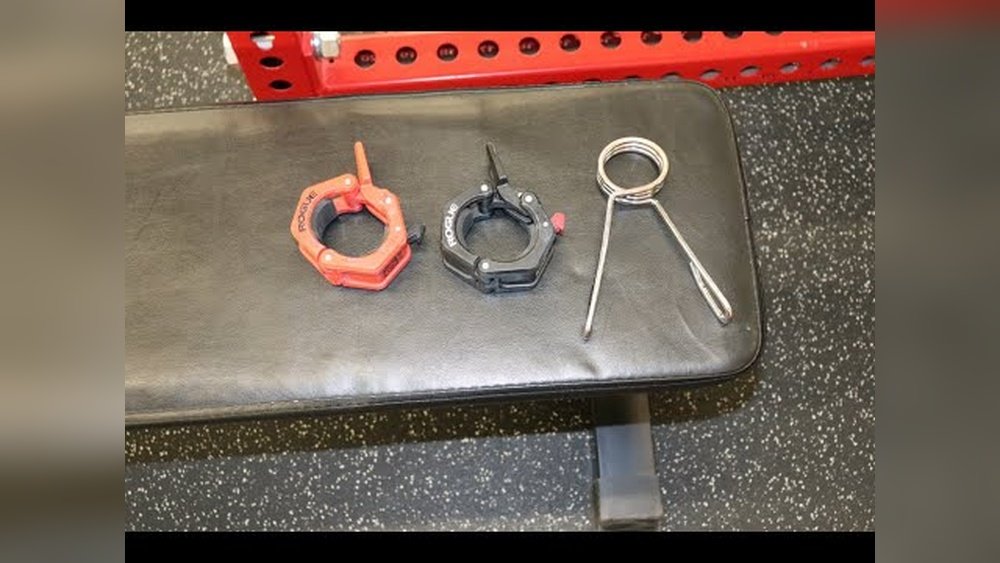
Barbell collars keep weight plates secure during lifts. They prevent plates from sliding off the barbell. Different types of collars offer various levels of grip and ease of use. Choosing the right collar depends on your workout and barbell style.
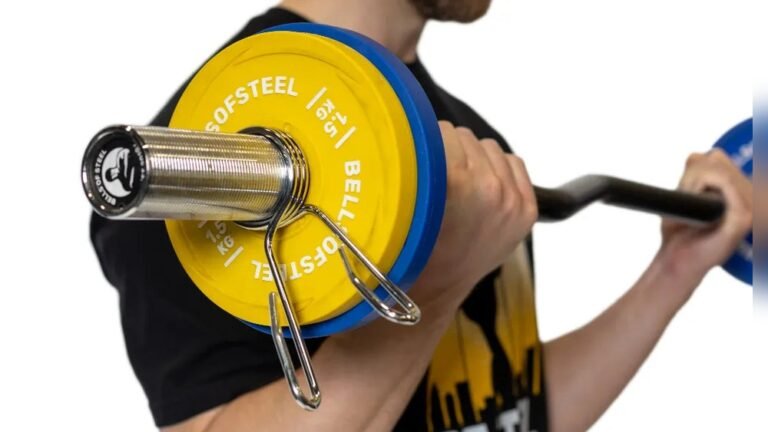
Spring Collars
Spring collars are simple and affordable. They have two handles that you squeeze to open the collar. The collar slides onto the barbell sleeve and holds plates tightly. They are lightweight and easy to carry. Many beginners prefer spring collars for their convenience.
Clamp Collars
Clamp collars use a locking mechanism to secure the plates. You open the clamp, place it on the sleeve, then snap it shut. These collars provide a stronger hold than spring collars. They are quick to attach and remove. Clamp collars are popular in home gyms and fitness centers.
Lockjaw Collars
Lockjaw collars use a lever to lock the collar firmly in place. They provide a very tight grip on the barbell. These collars are made of durable materials for heavy lifting. Lockjaw collars are common among powerlifters and serious weightlifters. They offer excellent safety during intense workouts.

Credit: www.littleblokefitness.com.au
Choosing The Right Collar
Choosing the right barbell collar is crucial for a safe and effective workout. The collar holds weight plates firmly on the barbell. Not all collars suit every exercise or barbell type. Picking the correct collar improves stability and prevents accidents. Consider your workout needs, collar material, and how easy it is to use. This guide helps you find the best collar for your training.
Exercise Specific Needs
Different exercises require different collars. For fast-paced workouts like CrossFit, quick-release collars save time. Powerlifting needs very secure collars to keep heavy plates locked. Olympic lifts need collars that stay tight during explosive movements. Match the collar type to your workout style. Safety comes first in all exercises.
Material And Durability
Collars come in various materials such as steel, plastic, and aluminum. Steel collars are strong and last long. Plastic collars are lightweight but less durable. Aluminum collars offer a balance of strength and weight. Choose a collar that can handle your lifting load. Durable collars reduce replacement costs and keep workouts smooth.
Ease Of Use
Some collars are easier to put on and remove than others. Spring collars require squeezing and sliding onto the bar. Lever or clamp collars use a quick locking mechanism. Lockjaw collars tighten securely with a lever. Easy-to-use collars save time and reduce frustration. Test different collars to find one that fits your hands well.
Step-by-step Usage
Using barbell collars correctly is crucial for safe lifting. They keep weight plates from sliding off during your workout. This guide breaks down the steps for each common collar type. Follow these simple instructions to secure your barbell properly.
Attaching Spring Collars
Hold the spring collar by its handles. Squeeze the handles together firmly to open the collar. Slide the collar onto the barbell sleeve next to the weight plates. Release the handles slowly so the collar grips the bar. Check that the collar fits tightly and does not move.
Securing Clamp Collars
Open the clamp collar by lifting its lever or handle. Position the collar around the barbell sleeve near the plates. Push the collar closed so it fits snugly. Lock the lever or handle down to tighten the collar. Make sure the collar holds the plates firmly in place.
Locking Lockjaw Collars
Place the lockjaw collar around the barbell sleeve. Turn the knob or screw clockwise to tighten the collar. Keep turning until the collar clamps securely on the bar. Test the collar by trying to move it; it should stay put. This collar type offers a very strong grip for heavy lifts.
Safety Tips For Lifting
Using barbell collars correctly is essential for safe lifting. These small tools keep weight plates secure on the bar. Without proper use, weights can slip and cause injuries. Follow these safety tips to protect yourself and others during workouts.
Ensuring A Secure Fit
Place the collar firmly against the weight plates. Slide it tightly onto the barbell sleeve. Make sure it does not move or wiggle. A loose collar can let plates shift during lifts. Test the fit by trying to twist the collar. It should stay firmly in place.
Checking Collars Before Each Lift
Always inspect collars before starting a set. Look for cracks, damage, or wear signs. Replace any collar that looks weak or broken. Confirm collars are fully locked or clamped. Do a quick shake test to ensure plates do not move.
Avoiding Common Mistakes
Do not skip using collars on any lift. Never overload the barbell beyond collar limits. Avoid dropping the barbell with collars loose. Do not force collars onto the bar if they do not fit. Use collars designed for your barbell type and size only.
Maintenance And Care
Proper maintenance and care of barbell collars ensure safety during workouts. Clean and inspect them regularly to keep them in good condition. Well-maintained collars hold weights firmly and prevent accidents.
Simple care steps extend the life of your collars. This saves money and keeps your gym equipment reliable.
Cleaning Your Collars
Wipe your collars after each use with a damp cloth. Remove dirt, sweat, and chalk buildup. Use mild soap if needed, but avoid harsh chemicals. Dry them completely before storage to prevent rust or damage.
Inspecting For Wear And Tear
Check collars frequently for cracks, bends, or broken parts. Test the locking mechanism to ensure it works smoothly. Look for rust or corrosion that can weaken the collar. Replace any collar that shows signs of damage to avoid failure during lifts.
When To Replace Collars
Replace collars if they no longer hold weights securely. Signs include loose fit, broken locks, or visible damage. Do not use collars with worn-out springs or clamps. Using damaged collars risks injury and plate slippage.

Credit: www.beargrips.com
Expert Tricks
Expert tricks can improve your experience with barbell collars. These small tools keep weights secure and safe. Using them correctly saves time and prevents accidents. Below are some tips to help you handle collars like a pro.
Flipping Spring Collars For Better Grip
Spring collars need a firm grip to work well. Flip the collar so the handles face down. This position gives more leverage when squeezing. It makes putting on and taking off easier. A strong grip keeps the collar tight on the barbell.
Using Collars In Competition Settings
Competition collars must follow strict rules. Use collars that fit tightly and lock in place. Practice using them before the event to avoid delays. Check collars often during warm-ups to ensure safety. Fast and secure collar use helps maintain focus during competition.
Customizing Collars For Comfort
Not all collars fit every barbell the same way. Add small rubber pads inside collars for a softer touch. This reduces noise and prevents scratches on the barbell. Choose collars with smooth edges to avoid hand discomfort. Comfortable collars make lifting more pleasant and safer.
Frequently Asked Questions
What Is The Purpose Of Using Collars On Barbells?
Barbell collars secure weight plates, preventing them from sliding during lifts. They enhance safety and maintain balance.
How Do You Tighten A Barbell Collar?
Squeeze spring collar handles to clamp onto the barbell sleeve. For locking collars, tighten the screw or lever securely. Use the clamp mechanism to grip tightly on clamp collars. Ensure the collar holds plates firmly without slipping before lifting.
How To Use Powerlifting Collars?
Slide the powerlifting collar onto the barbell sleeve next to the weight plates. Secure it by tightening the lever, clamp, or squeezing the spring handles. Ensure the collar holds the plates firmly to prevent movement during lifts. Check tightness before each set for safety.
What Are The Different Types Of Barbell Collars?
Barbell collars include spring collars, clamp collars, and lockjaw collars. Spring collars use metal springs, clamp collars have a lever mechanism, and lockjaw collars tighten with a screw. Each type secures weight plates firmly on the barbell during lifts.
Conclusion
Using barbell collars keeps weight plates secure during lifts. They prevent plates from sliding off the barbell. Choose the right collar type for your workout style. Always check collars before starting your exercise. Proper use increases safety and confidence in lifting.
Small steps like this improve your gym routine. Keep practicing to handle collars quickly and correctly. Safety first, every time you lift weights.
I am a certified fitness coach with over 10 years of experience helping people improve their strength, endurance, and overall health. Specializes in workout programming, weight training, fat loss, muscle building, home fitness, and evidence-based nutrition.My goal is to make fitness simple and practical through well-researched guides, honest product reviews, and actionable training advice.