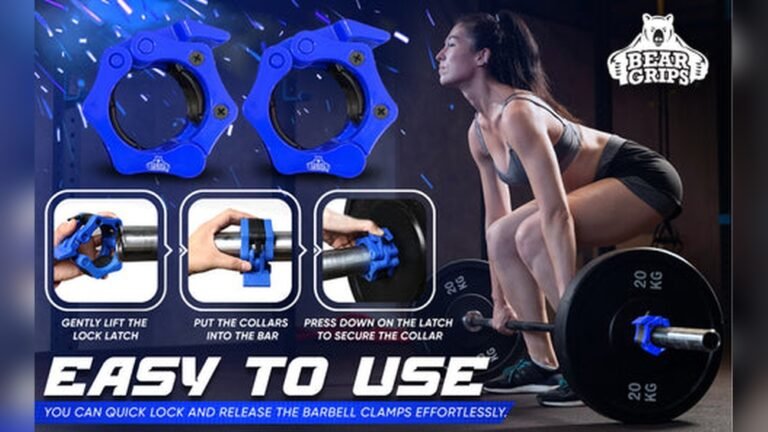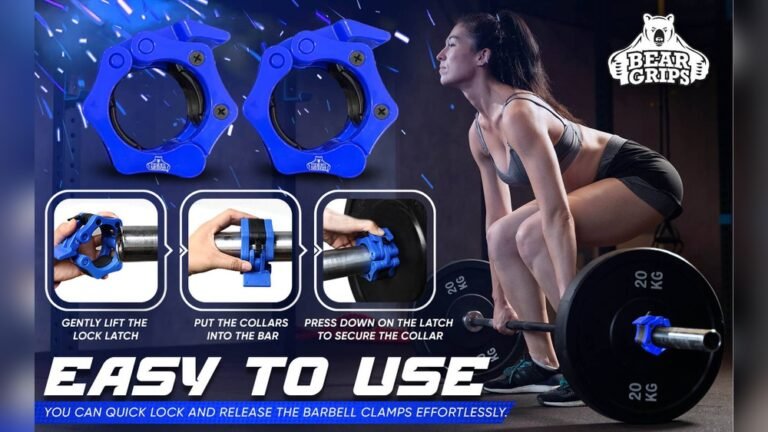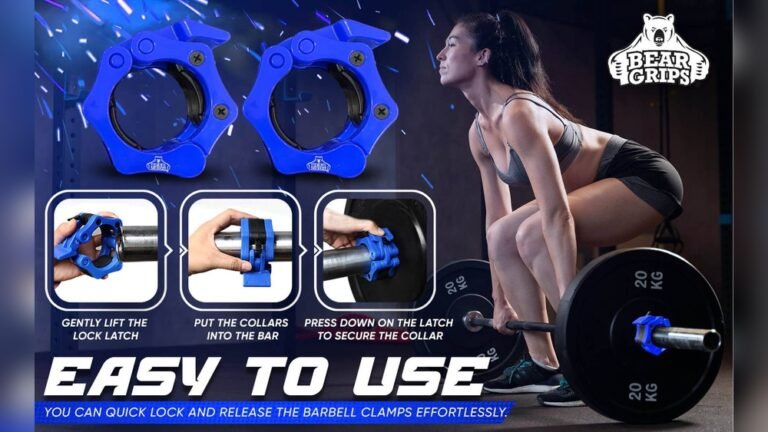
Choosing the right barbell collars might seem like a small detail, but it can make a big difference in your workout safety and performance. If you’ve ever struggled with collars that don’t fit properly or slip during lifts, you know how frustrating that can be.
This size guide is here to help you find the perfect fit for your barbell collars, so you can focus on lifting heavier and training smarter without worrying about your weights shifting. Keep reading to discover everything you need to know about collar sizes, types, and how to measure your barbell correctly—your gains depend on it!

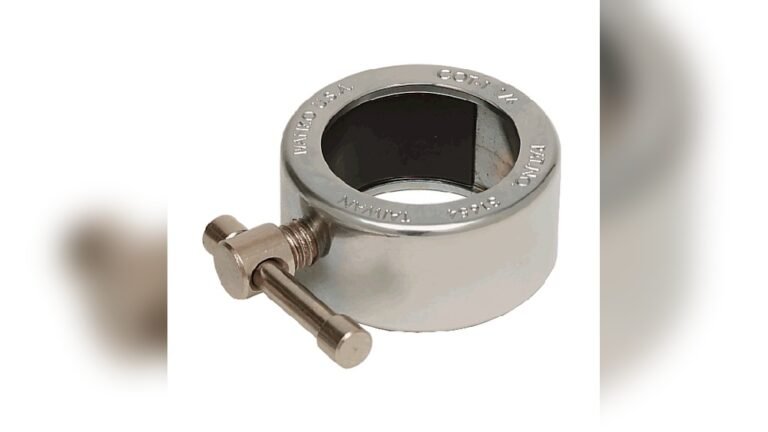
Credit: www.amazon.com
Barbell Collar Sizes
Choosing the correct barbell collar size is important for safe lifting. Barbell collars keep weight plates secure during workouts. Different barbells require specific collar sizes. Knowing the right size helps prevent accidents and damage to equipment.
Barbell collar sizes vary by bar type and collar design. Understanding these sizes makes buying easier and ensures proper fit. This section explains standard sizes, special bar dimensions, and how to measure your barbell.
Standard Collar Dimensions
Most barbells use standard collars that fit a 2-inch diameter sleeve. This size works for Olympic barbells, which are common in gyms. Standard collars usually have a 50mm opening to slide onto the bar sleeve. They lock plates firmly and prevent slipping during lifts.
Some collars use spring clips, others use locking mechanisms. Both types must match the 2-inch sleeve size to function properly. Using the wrong collar size can cause plates to move or fall off.
Specialty Bar Sizes
Not all barbells have the standard 2-inch sleeve size. Specialty bars may have smaller or larger diameters. For example, standard barbells often have a 1-inch sleeve diameter. Some powerlifting or strongman bars use unique sizes.
Specialty collars are made to fit these different bar sizes. They come in 1-inch, 1.5-inch, or other custom diameters. Checking your bar’s sleeve size before buying collars is essential. This ensures safety and a secure fit.
Measuring Your Barbell
Measuring your barbell sleeve is simple and quick. Use a tape measure or caliper to find the diameter. Measure across the sleeve’s widest points, not the shaft. Record the number in inches or millimeters.
Compare this measurement to collar sizes available. Choose a collar that matches your bar’s diameter exactly. A close fit keeps plates stable and protects your equipment. Measuring first saves time and avoids returns.
Types Of Barbell Collars
Barbell collars secure weight plates on barbells during lifts. Choosing the right collar type affects safety and workout ease. Various collar types fit different needs and barbell sizes. Understanding their features helps pick the best fit for training.
Spring Lock Collars
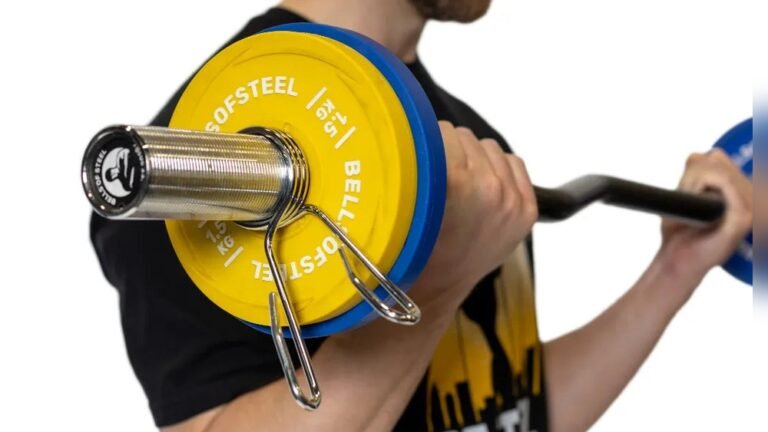
Spring lock collars use a strong spring to hold plates tightly. They squeeze the barbell sleeve for a secure grip. These collars are quick to put on and take off. Ideal for fast-paced workouts and weight changes.
Spin Lock Collars
Spin lock collars screw onto the barbell threads for firm locking. They twist to tighten and prevent plates from moving. These collars offer a very tight hold. Commonly used in home gyms and with threaded bars.
Snap Lock Collars
Snap lock collars clip onto the barbell with a simple snap mechanism. They lock plates in place quickly and easily. Lightweight and portable, they suit casual lifting and general gym use. Snap locks offer moderate security.
Olympic Collars
Olympic collars fit Olympic-sized barbells with a 2-inch diameter sleeve. They often use lever or clamp designs for strong locking. These collars handle heavy weights and intense lifting sessions. Preferred in professional and competitive environments.
Materials And Durability
Choosing the right material for barbell collars affects their durability and performance. Strong materials hold plates firmly and last longer. Durability matters for safety during heavy lifts and repeated use. Understanding common materials helps you select collars that fit your workout style and budget.
Steel Vs Plastic
Steel collars offer excellent strength and durability. They resist bending and cracking under heavy loads. These collars last longer in intense training environments. Plastic collars are lighter but less durable. They may crack or wear out faster with frequent use. Steel collars suit heavy lifting, while plastic works for lighter workouts.
Rubber-coated Collars
Rubber-coated collars provide extra grip and protect the barbell. The coating reduces noise during lifts. It also prevents scratches on plates and bars. Rubber adds a layer of shock absorption, increasing collar life. These collars combine durability with user comfort and bar protection.
Weight And Portability
Weight affects how easy collars are to carry and use. Steel collars are heavier but more secure. Plastic and rubber-coated collars weigh less and are easier to transport. Lightweight collars are ideal for gym owners who move equipment often. Consider your needs to balance durability and portability.

Credit: uk.gymreapers.com
Choosing The Right Fit
Choosing the right fit for barbell collars is crucial for safe and effective workouts. The right size ensures your weight plates stay secure during lifts. Poorly fitting collars can cause plates to slip, leading to injury or damage. Understanding how to pick the correct size helps you enjoy a smooth and confident lifting experience.
Compatibility With Weight Plates
Barbell collars must match the diameter of your weight plates. Most standard plates fit 1-inch bars, while Olympic plates require 2-inch collars. Using collars too large or small can cause instability. Check your plate size before buying collars to ensure a snug fit. This step prevents unnecessary movement during workouts.
Secure Grip Importance
A secure grip on the barbell keeps plates from sliding off. Tight collars reduce wobbling and improve safety. Look for collars with strong locking mechanisms or spring clamps. These hold the plates firmly in place. A secure grip also helps maintain balance and control during lifts.
Adjusting For Specialty Bars
Specialty bars like curl or trap bars may have different collar sizes. Measure the bar diameter carefully before selecting collars. Some bars have unique shapes that require adjustable or flexible collars. Choose collars designed to fit these bars to avoid loose or tight fits. Proper adjustment ensures safety and comfort during your workout.
Using Barbell Collars Effectively
Using barbell collars effectively ensures a secure and safe workout. Proper use keeps weights in place during lifts. This prevents accidents and improves your lifting experience. Understanding the right techniques and care can extend collar life and keep your gym routine smooth.
Proper Placement Techniques
Slide the collar firmly onto the barbell sleeve next to the weight plates. Make sure it fits tightly without wobbling. Double-check the collar’s locking mechanism to confirm it is secure. Place collars on both sides of the barbell evenly. This balances the load and prevents plates from shifting.
Ensuring Safety During Lifts
Always use collars before starting any lift. Loose plates can cause imbalance and injuries. Check collars after each set to keep them tight. Replace worn or damaged collars immediately. Safety depends on keeping the weights stable at all times.
Maintenance Tips
Clean collars regularly to remove sweat and dust. Use a damp cloth and mild soap for cleaning. Dry collars completely before storing to prevent rust or damage. Inspect locking parts for wear and tear frequently. Lubricate moving parts with light oil to ensure smooth operation.
Popular Barbell Collar Brands
Choosing the right barbell collar is key for a safe and effective workout. Popular brands offer various designs, sizes, and locking mechanisms. These collars keep weights secure during lifts. Understanding top brands helps pick the best fit for your barbell.
Rogue Barbell Collars
Rogue is well-known for quality gym gear. Their barbell collars fit Olympic bars tightly. Many models use a quick-release lever for fast changes. Rogue collars often have durable steel construction. They balance strength and ease of use well.
Oso Barbell Collars
OSO collars are popular in home gyms. They use a spring clamp style that grips firmly. These collars are lightweight and simple to operate. OSO focuses on affordability without losing quality. Their collars work well for casual and serious lifters.
Iron Labs Collars
Iron Labs makes collars favored by powerlifters. Their design uses a screw-lock system for extra tightness. Iron Labs collars are heavy-duty and built to last. They offer excellent grip on standard and Olympic bars. These collars suit intense training sessions.
Common Issues And Solutions
Barbell collars play a vital role in keeping weight plates secure during workouts. Despite their importance, users often face common problems. Identifying these issues helps in choosing the right collar and maintaining it properly. Below are typical problems and simple solutions for barbell collars.
Loose Collars
Loose collars fail to hold plates tightly, risking weight shift during lifts. This usually happens when collars wear out or are not fastened properly. To fix this, check the collar’s grip before each session. Replace worn-out collars with new ones for safety. Using collars designed for your barbell size ensures a snug fit.
Compatibility Problems
Not all collars fit every barbell. Standard bars and Olympic bars have different diameters. Using the wrong collar size causes instability and slippage. Measure your barbell’s diameter carefully before buying collars. Choose collars that clearly state compatibility with your barbell type. This avoids frustration and ensures a secure hold.
Wear And Tear
Frequent use causes collars to wear down. Plastic parts may crack, and metal collars can rust or lose tension. Regularly inspect your collars for damage. Clean and dry them after workouts to prevent rust. Replace collars showing signs of wear to keep your lifts safe and steady.
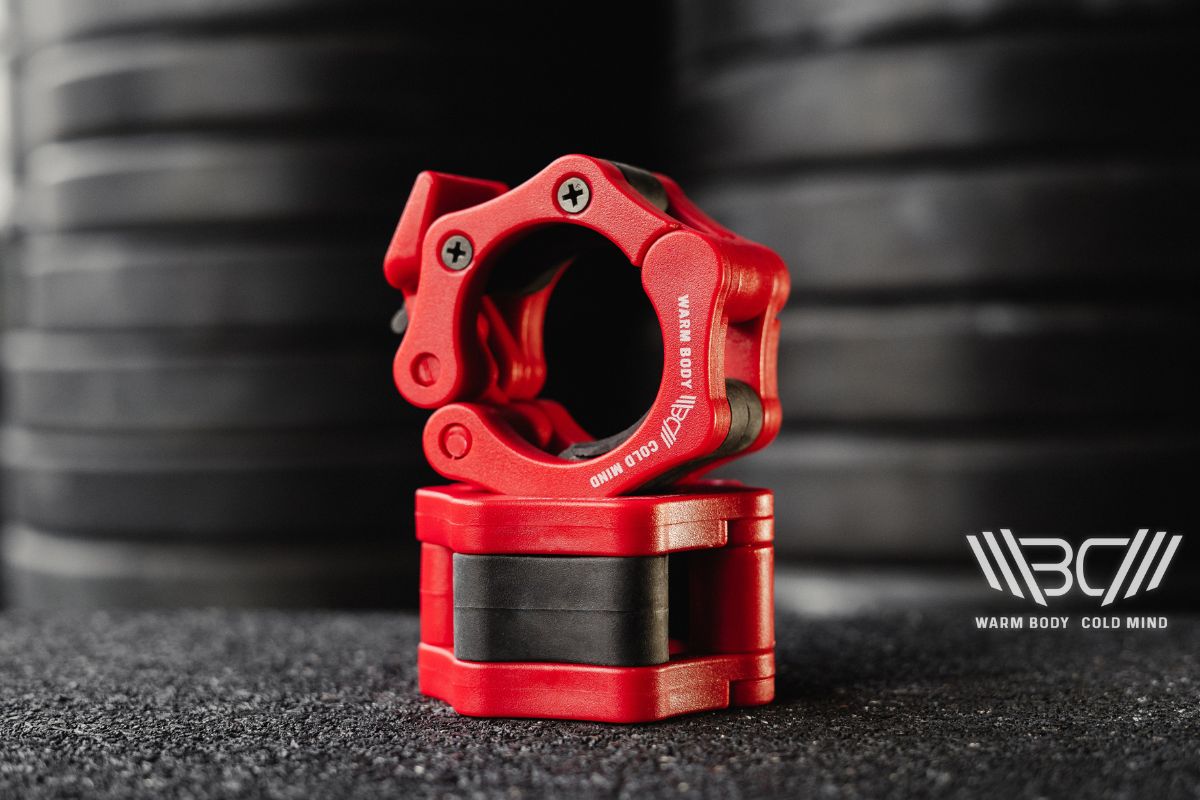
Credit: blog.warmbody-coldmind.com
Frequently Asked Questions
How To Tell If Bar Is 35 Or 45?
Measure the bar diameter with a caliper or ruler. A 35mm bar measures about 1. 38 inches, a 45mm bar about 1. 77 inches. Use these measurements to identify if the bar is 35 or 45.
What Is The Collar Opening Size Of Barbells?
The standard collar opening size for barbells is 2 inches (50mm) in diameter. Some specialty bars may have smaller or custom sizes.
Is A Barbell 40 Or 45lbs?
A standard barbell weighs 45 lbs. Some specialty barbells may weigh 40 lbs, but 45 lbs is most common.
What Size Barbell Clips Do I Need?
Choose barbell clips matching your barbell’s diameter. Standard barbells usually need 1-inch clips; Olympic bars require 2-inch clips. Measure your bar’s sleeve size accurately for the best fit and safety during workouts.
Conclusion
Choosing the right size barbell collars ensures a safe workout every time. Proper fit keeps weight plates secure and stable during lifts. Remember to measure your barbell’s diameter before buying collars. Different collars suit various barbell types and training styles.
Using the correct collar size helps prevent accidents and improves your lifting experience. Stay consistent with your equipment choices for better results. Keep this size guide handy when shopping for barbell collars. Safe lifting starts with the right gear.
I am a certified fitness coach with over 10 years of experience helping people improve their strength, endurance, and overall health. Specializes in workout programming, weight training, fat loss, muscle building, home fitness, and evidence-based nutrition.My goal is to make fitness simple and practical through well-researched guides, honest product reviews, and actionable training advice.