You’ve invested in a rowing machine to boost your fitness, but now you’re wondering how to keep it safe and out of the way when you’re not using it. Storing your rowing machine properly isn’t just about saving space—it’s about protecting your equipment so it lasts longer and stays in top shape.
Whether you live in a cozy apartment or a spacious home, finding the right storage method can be tricky. You’ll discover simple, practical tips to store your rowing machine efficiently, keep it clean, and avoid common mistakes that could damage your gear.
Keep reading to learn how to make your rowing machine storage easy, safe, and space-smart.
Credit: www.concept2southafrica.com
Space-saving Storage Options
Saving space is important when storing a rowing machine. Many homes have limited room, so smart storage helps keep areas neat. Choosing the right method protects the machine and frees up floor space. Several options fit different spaces and needs.
Vertical Storage Techniques
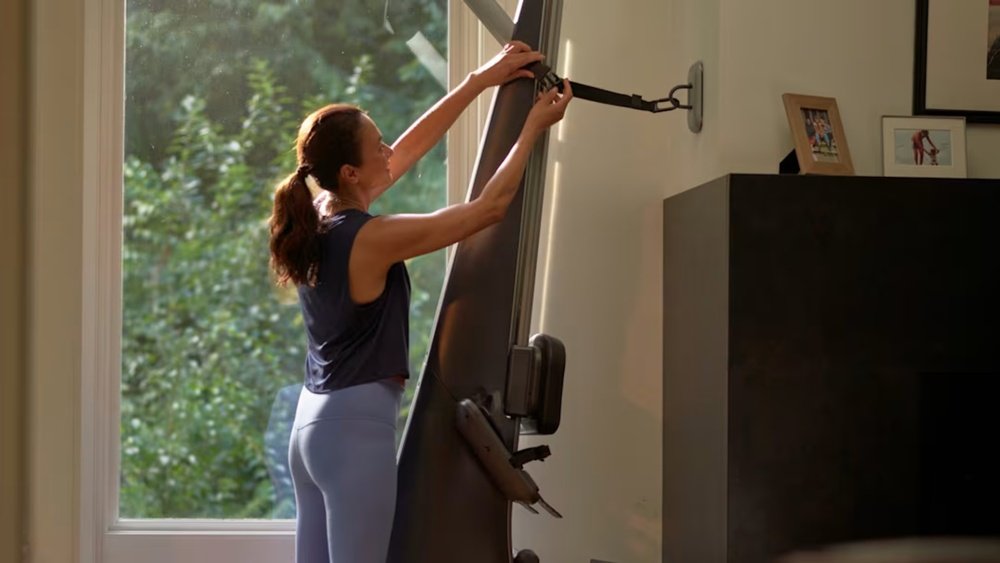
Storing a rowing machine vertically saves a lot of floor space. Stand it on its end against a wall or inside a closet. Use padded supports or a wall mount to keep it stable and safe. This method works well for lightweight models. Always check the machine’s balance to avoid tipping.
Disassembling For Compactness
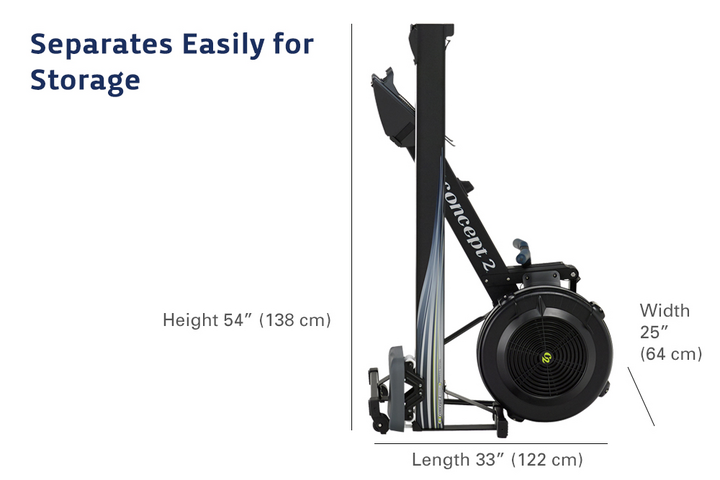
Some rowing machines can be taken apart for easier storage. Remove the monorail or fold the frame if possible. Keep small parts together in a labeled box to avoid loss. Disassembly reduces the machine’s size, fitting it into tighter spots. This option suits those with limited storage areas.
Under Bed Storage Solutions
Under bed storage hides the rowing machine out of sight. Measure the machine’s height and the bed’s clearance first. Slide the rowing machine under the bed on a flat, clean surface. Use wheels or a small platform for easy moving. This method keeps the machine handy yet out of the way.

Credit: fotowoltaika.gft.pl
Protecting Your Machine
Protecting your rowing machine keeps it working well for a long time. Proper care prevents damage from moisture, dust, and sunlight. Simple steps help maintain the machine’s parts and appearance. These tips make storing easier and safer.
Avoiding Humidity And Sunlight
Keep the rowing machine in a dry place. Humidity can cause rust on metal parts. Avoid basements or garages that get damp. Direct sunlight fades colors and weakens materials. Choose a shaded room with good airflow. This reduces wear and tear over time.
Using Covers And Padding
Cover your machine with a soft, breathable cloth. Covers stop dust from settling on the parts. Use padding under the machine to protect the floor. It also reduces noise during workouts. A good cover extends the life of the seat and handle grips.
Applying Protective Coatings
Apply a light coat of oil or wax on metal parts. This blocks moisture and prevents rust. Use a silicone spray for plastic and rubber sections. Protective coatings keep moving parts smooth and quiet. Regular application keeps the machine ready to use anytime.
Safe Handling And Placement
Storing a rowing machine safely protects both the equipment and your space. Proper handling and placement prevent damage and accidents. Follow these guidelines to keep your rowing machine secure and easy to move.
Securing Upright Units
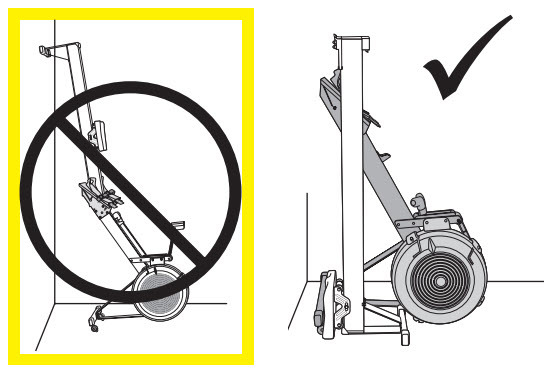
Place the rowing machine upright on a flat surface. Use straps or wall brackets if available to hold it steady. Secure units avoid falling and causing injury. Make sure the machine’s locking mechanism is engaged. This keeps the machine stable during storage.
Avoiding Tipping Hazards
Keep the rowing machine away from busy areas. Avoid spots near doorways or walkways. Clear the floor around it to prevent tripping. Never lean the machine against unstable surfaces. Balance the weight evenly to reduce tipping risks. A safe setup protects both users and the machine.
Utilizing Caster Wheels For Mobility
Many rowing machines come with caster wheels for easy movement. Use these wheels to relocate the machine without lifting. Lock the wheels once the machine is in place. This prevents unwanted rolling or shifting. Caster wheels make storage and cleaning simpler.
Credit: www.concept2southafrica.com
Maintenance Before Storage
Proper maintenance before storing your rowing machine is essential. It keeps the equipment in good shape and ready for the next use. Taking time to care for your rowing machine prevents rust, dust buildup, and mechanical issues. This process extends the life of your machine and ensures smooth operation.
Cleaning And Wiping Down
Start by removing sweat and dust from the machine. Use a soft cloth and mild soap solution. Wipe the seat, handle, frame, and monitor carefully. Avoid harsh chemicals that can damage surfaces. Dry all parts thoroughly to prevent moisture buildup. Regular cleaning stops dirt from damaging the machine.
Lubricating Moving Parts
Check the moving parts like the chain and rollers. Apply lubricant designed for rowing machines or light machine oil. This helps reduce friction and wear. Do not use heavy grease, as it attracts dust. Lubricate once every few months or before storage. Smooth movement means better performance and less noise.
Long-term Care Tips
Store the rowing machine in a dry place away from direct sunlight. Use a cover to protect it from dust and moisture. Detach any removable parts if possible for better storage. Avoid leaving the machine in damp or hot areas. Check the machine periodically during storage to keep it in top shape.
Room Setup Ideas
Setting up your room for a rowing machine requires thoughtful planning. The right space enhances your workout experience. It also helps keep your equipment safe and accessible. Use smart ideas to make the most of your available space.
Choosing Ideal Locations
Select a spot with enough room for full rowing motion. Avoid cramped corners or tight spaces. A flat, stable floor surface is best. Place near a window or fan for airflow. Keep the machine away from direct sunlight. This prevents fading and damage to parts. Consider noise levels to avoid disturbing others. A quiet area helps maintain focus during workouts.
Maximizing Small Spaces
Use vertical storage to save floor space. Fold or collapse the rowing machine if possible. Store it against a wall or inside a closet. Use wall hooks or racks for easy access. Clear clutter to create a tidy workout zone. Multi-use rooms can double as exercise areas. Place a mat under the machine to protect floors.
Creating A Home Rowing Gym
Designate a room or corner for your rowing workouts. Add a sturdy rack for other fitness gear. Include a small shelf for water and towels. Use mirrors to check your form and posture. Install good lighting for a motivating atmosphere. Keep cleaning supplies nearby for quick maintenance. A dedicated space encourages regular exercise habits.
Frequently Asked Questions
How To Store A Rowing Machine At Home?
Disengage the framelock and separate the monorail from the front. Store both pieces against a wall, in a corner, or closet. Avoid standing the machine upright to prevent tipping. Keep it in a dry, dust-free area for best maintenance.
Is A Rowing Machine Good For Spinal Stenosis?
A rowing machine can help improve spinal stenosis by strengthening back muscles and enhancing flexibility. Use proper form and consult a doctor first.
Can Rowing Lower Cholesterol?
Rowing effectively lowers cholesterol by combining cardio and strength training. This full-body exercise improves heart health and reduces bad cholesterol.
Where To Put A Rowing Machine In A House?
Place your rowing machine in a dry, well-ventilated area with enough space for movement. Store it upright against a wall or disassemble it for compact storage in a corner or closet. Avoid direct sunlight and high humidity to protect the machine and prolong its lifespan.
Conclusion
Storing your rowing machine properly saves space and keeps it safe. Choose a dry, clean spot away from direct sunlight. Use vertical storage or separate parts for easier placement. Always clean the machine before storing to avoid damage. Secure the machine to prevent tipping or scratches.
Regular care helps your rowing machine last longer. Keep these tips in mind for a neat and functional workout area. Your rowing machine will stay ready for the next exercise session. Simple steps make a big difference in storage and machine care.
I am a certified fitness coach with over 10 years of experience helping people improve their strength, endurance, and overall health. Specializes in workout programming, weight training, fat loss, muscle building, home fitness, and evidence-based nutrition.My goal is to make fitness simple and practical through well-researched guides, honest product reviews, and actionable training advice.