When you’re lifting weights, every detail matters, especially when it comes to your safety. Barbell collars might seem like small accessories, but they play a huge role in keeping your plates secure and preventing accidents.
Imagine the weight plates slipping off mid-lift, this can lead to serious injury or damage. That’s why knowing the right safety tips for barbell collars isn’t just smart, it’s essential for your workouts. You’ll discover practical advice that helps you protect yourself and get the most out of your training sessions.
Keep reading to lift smarter and safer every time you hit the bar.
Types Of Barbell Collars
Barbell collars are essential for safe lifting. They keep weight plates secure during exercise. Different types suit various bars and lifting styles. Choosing the right collar improves safety and workout efficiency. Understanding each type helps prevent accidents and plate slippage.
Spring Collars
Spring collars use strong metal springs. They squeeze the barbell to hold plates tight. These collars are lightweight and easy to use. They fit most standard bars. Spring collars are popular for home gyms and beginners.
Lock-jaw Collars
Lock-jaw collars have a lever mechanism. They clamp tightly around the barbell. This provides a firm, secure hold. Lock-jaw collars are quick to attach and remove. They suit heavy lifting and frequent plate changes.
Axle Collars
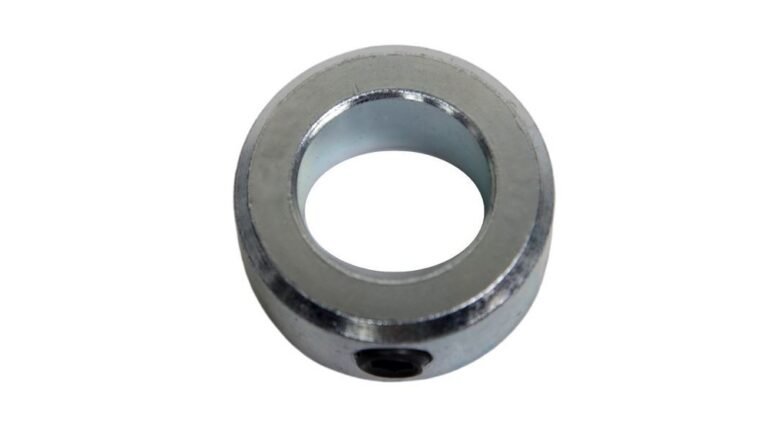
Axle collars are designed for thick bars like axle bars. They slide on easily and lock in place. These collars handle heavy weights and strong workouts. Axle collars keep plates from moving on wider bars.
Clamp Collars
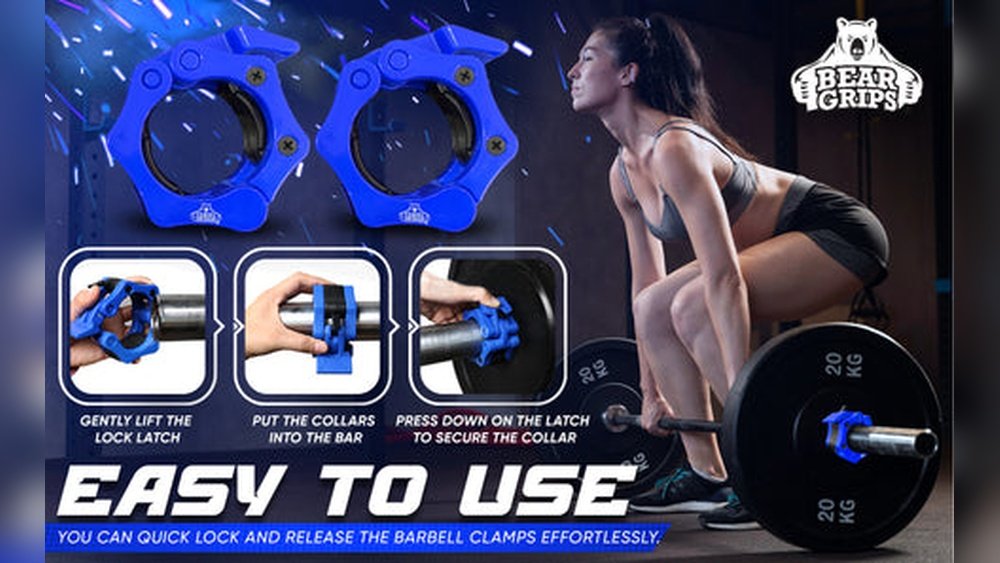
Clamp collars use a simple locking clamp system. They are fast to secure and release. Clamp collars offer a solid grip on the barbell. These collars work well for various lifting exercises.

Credit: musclesquad.com
Choosing The Right Collar
Choosing the right barbell collar is vital for safe lifting sessions. The collar holds weight plates tightly in place. A poor fit can cause plates to slip and lead to accidents. Selecting the best collar means checking its fit, strength, and ease of use. This section guides you through key points to consider for safety and performance.
Compatibility With Barbell
Check the collar size matches your barbell diameter. Most barbells have a standard size of 2 inches. Some collars fit only smaller or thicker bars. A tight, secure fit prevents movement during lifts. Avoid collars that are too loose or too tight.
Weight Capacity
Know the maximum weight your collar can hold safely. Heavy lifters need collars with higher weight limits. Using a collar under its capacity reduces the risk of failure. Always choose collars rated for your heaviest lifting set.
Ease Of Use
Pick collars that are quick to put on and remove. Simple locking mechanisms save time and reduce frustration. Avoid collars with complicated or weak locks. A collar should secure plates firmly in seconds.
Durability Factors
Look for collars made from strong, lasting materials like steel or heavy-duty plastic. Durable collars resist wear and damage from drops or impacts. Check for corrosion resistance if used in humid gyms. A durable collar keeps you safer over time.
Proper Collar Installation
Proper collar installation is crucial for safe weightlifting. It stops plates from sliding off the bar. This keeps you safe and protects gym equipment. Follow these simple steps to fit collars correctly every time.
Positioning On The Bar
Place collars right next to the weight plates. They should sit flush against the plates. Avoid leaving any gaps between collar and plate. This stops the plates from moving during lifts.
Securing Mechanisms
Use the collar’s locking system to hold it tight. Some collars use clamps, others twist locks or springs. Make sure the locking part clicks or fastens firmly. A loose collar can slip and cause accidents.
Checking Tightness
After locking the collar, pull it slightly to test grip. It should not move or slide along the bar. Check tightness before each set. Adjust if you feel any looseness during your workout.

Credit: clinicamedca.com
Common Mistakes To Avoid
Barbell collars keep weight plates secure during lifts. Avoiding common mistakes ensures safety and improves workout quality. Many lifters overlook simple errors that can cause accidents. Understanding these mistakes helps prevent injuries and equipment damage.
Skipping Collar Use
Some lifters remove collars to save time. This risks plates slipping off the bar. Even small movements can cause heavy plates to slide. Always use collars to keep weights stable. Skipping collars increases the chance of injury.
Improper Placement
Collars must fit tightly against the plates. Placing collars too far from plates makes them ineffective. Loose collars allow plates to shift during lifts. Check collars before each set to ensure they are secure. Proper placement protects both the lifter and the equipment.
Using Worn Or Damaged Collars
Old or broken collars lose their grip strength. Cracks or worn parts reduce collar reliability. Using damaged collars can cause plates to fall off unexpectedly. Inspect collars regularly and replace damaged ones immediately. Good condition collars provide consistent safety every time.
Maintenance And Cleaning
Proper maintenance and cleaning of barbell collars improve safety and extend their life. Dirt, sweat, and dust can cause collars to slip or wear out faster. Keeping them clean and well-maintained ensures a secure grip on weight plates. This reduces the risk of accidents during lifting sessions.
Regular Inspection
Check collars before every workout. Look for cracks, bends, or loose parts. Ensure the locking mechanism works smoothly. Replace damaged collars immediately to avoid accidents. A quick inspection saves time and prevents injuries.
Cleaning Techniques
Use a soft brush to remove dust and chalk. Wipe collars with a damp cloth after each use. Avoid harsh chemicals that can damage materials. For metal collars, a mild soap solution works well. Dry collars thoroughly to prevent rust or corrosion.
Storage Tips
Store collars in a dry place away from direct sunlight. Avoid leaving them on bars for long periods. Use a dedicated rack or box to keep them organized. Proper storage helps maintain collar shape and function.
Safety Benefits Of Collars
Barbell collars provide essential safety benefits during weightlifting sessions. They secure weight plates on the barbell, reducing risks and enhancing stability. Using collars can prevent accidents and protect both lifters and gym equipment.
Preventing Plate Slippage
Collars hold weight plates firmly in place on the barbell. This stops plates from sliding or falling off during lifts. Plate slippage can cause sudden imbalance and injury. Collars ensure weights stay secure throughout every movement. This stability is crucial for safe lifting.
Protecting Lifters And Equipment
Loose plates can harm lifters or damage gym floors and equipment. Collars act as a barrier to keep plates fixed tightly. They protect lifters from unexpected plate shifts that may lead to accidents. Collars also extend the life of your barbell by preventing damage.
Enhancing Workout Confidence
Knowing plates are locked gives lifters more confidence. Collars reduce distractions caused by loose weights. Lifters can focus fully on form and technique. This focus helps improve performance and reduces injury risk. Confidence leads to better, safer workouts overall.
When To Replace Collars
Knowing when to replace barbell collars is crucial for safe lifting. Collars keep weight plates secure on the bar. Over time, they wear out or lose effectiveness. Replacing them at the right time prevents accidents and injuries. Watch for clear signs that show your collars need a change.
Signs Of Wear And Tear
Check collars regularly for cracks or breaks. Rust or corrosion weakens metal collars. Plastic collars may become brittle or warped. Look for loose or damaged locking mechanisms. Worn-out collars may not hold plates tightly. Replace collars showing any of these signs.
Performance Issues
Slipping plates during lifts signal collar problems. If collars no longer clamp firmly, they are unsafe. Difficulty locking or unlocking collars can cause delays. Noisy or loose collars reduce workout focus. Poor performance always means it is time to replace.
Upgrading For Better Safety
New collars often have improved locking systems. Some offer better grip or easier use. Upgrading can protect you from plate movement risks. Choose collars designed for your barbell size and weight. Better collars increase confidence and safety during lifts.
Tips For Safe Lifting With Collars
Using barbell collars correctly improves safety and lifting confidence. These simple devices keep weight plates secure during lifts. Follow key tips to avoid accidents and enhance your workout experience. Focus on preparation, assistance, and technique for best results.
Double-check Before Lifting
Always inspect collars before starting your set. Ensure they are tightly fastened on both sides of the barbell. Loose collars can cause plates to slide off, leading to injury. Take a moment to twist or push the collars firmly in place. This small step prevents serious accidents.
Use Spotters When Necessary
Spotters provide safety support during heavy lifts. Ask for help when lifting near your maximum weight. They can assist if you lose control or need to drop the bar. Even with collars, spotters add an extra layer of protection. Communicate clearly with your spotter before each lift.
Maintain Proper Form
Good form reduces injury risk and improves strength gains. Keep your back straight and core tight while lifting. Use controlled movements to avoid jerking the barbell. Proper technique helps collars keep plates steady. Practice form regularly to build safe lifting habits.

Credit: musclesquad.com
Frequently Asked Questions
How To Use Barbell Collars?
Slide the barbell collars onto each bar end, next to weight plates. Squeeze the collar handles to expand and lock them tightly. Ensure collars are secure before lifting to prevent plates from slipping or falling during exercise.
How To Use A Barbell Safely?
Grip the barbell firmly and maintain proper posture. Use collars to secure weights. Lift with controlled movements. Warm up before lifting. Avoid overloading the bar to prevent injury.
When To Use Barbell Collars?
Use barbell collars whenever you add weight plates to secure them firmly and prevent slipping during lifts. This ensures safety and protects equipment.
How To Clean Barbell Collars?
Use a stiff brush to scrub dirt and chalk from barbell collars. Wipe with a damp cloth. Dry thoroughly before use.
Conclusion
Using barbell collars is key for safe weightlifting. They keep plates tight and prevent slipping. Always check collars before each lift. Choose collars that fit your bar well. Regularly clean collars to keep them working smoothly. Safety starts with simple habits like these.
Stay focused and lift with care every time. Your health and progress depend on it. Keep collars secure, and enjoy a safer workout.
I am a certified fitness coach with over 10 years of experience helping people improve their strength, endurance, and overall health. Specializes in workout programming, weight training, fat loss, muscle building, home fitness, and evidence-based nutrition.My goal is to make fitness simple and practical through well-researched guides, honest product reviews, and actionable training advice.