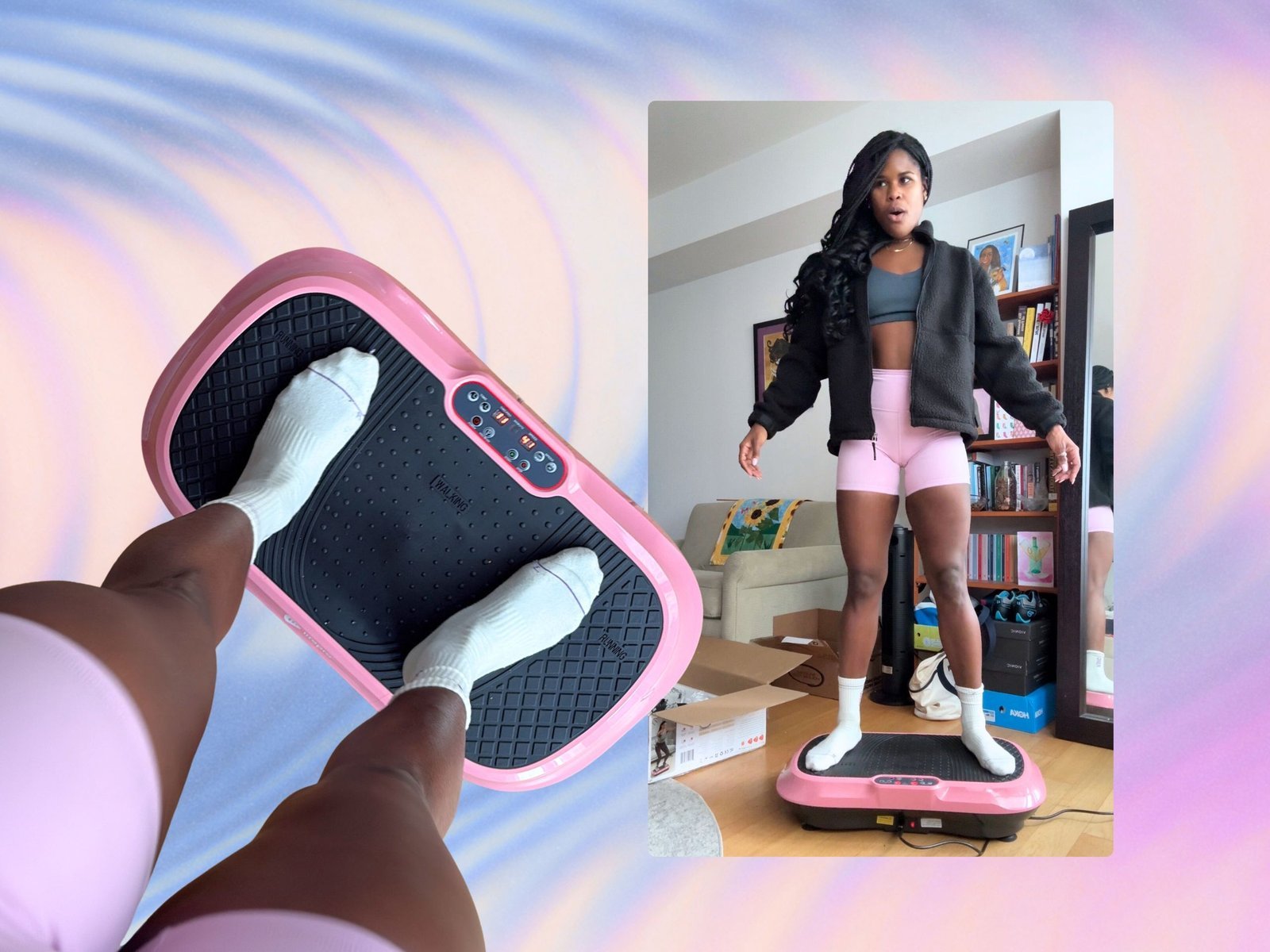
Vibration plate hype is real, and it’s mostly marketing. A vibration plate does make your muscles work — you’ll feel it in your legs and core. But the fat-burning and weight-loss claims you see in ads aren’t backed by good evidence.
Quick answers about vibration plates
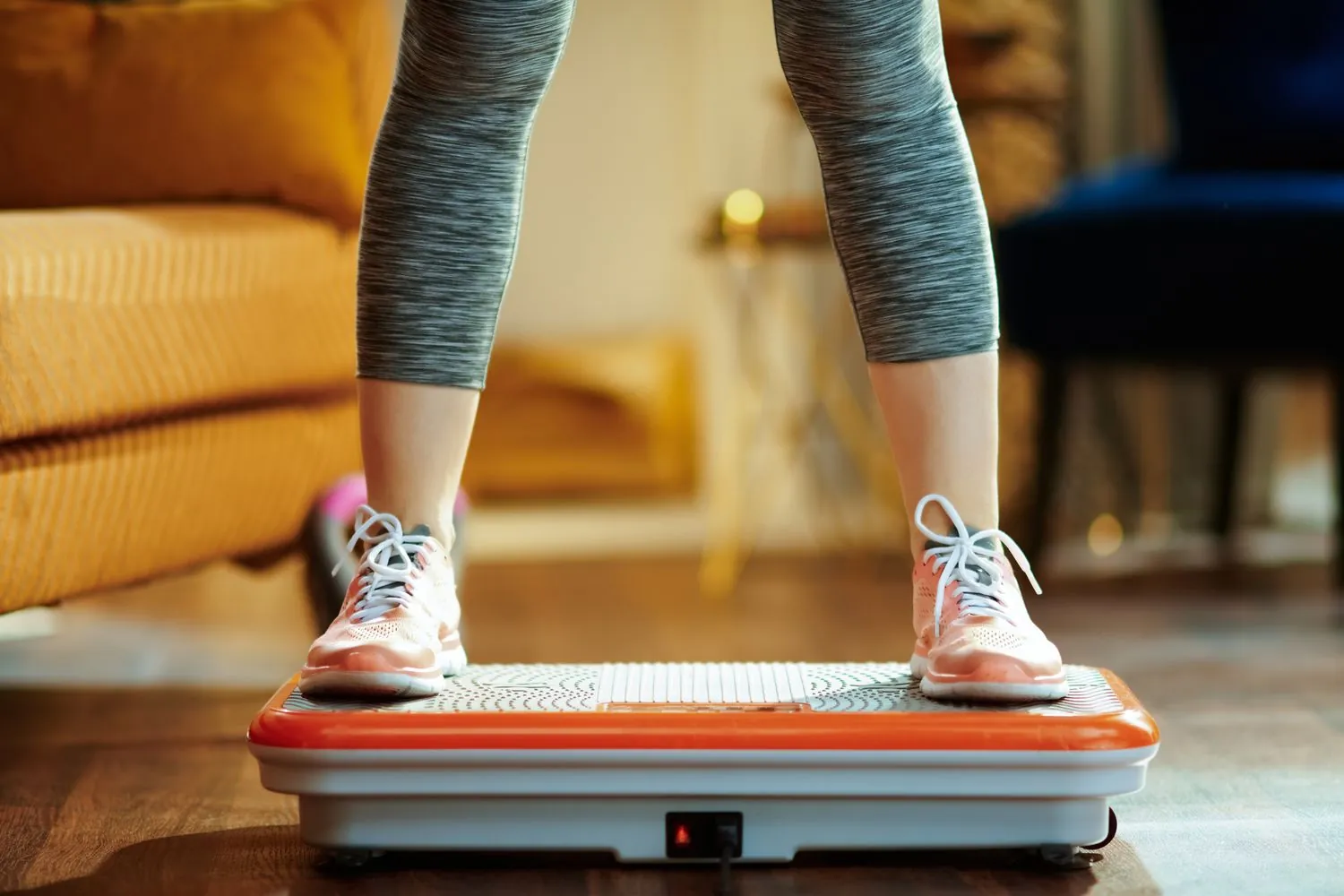
- A 10-minute session works your muscles, but it burns far fewer calories than a 10-minute walk or jog.
- Standing still on the plate is the weakest way to use it — add squats, lunges or push-ups and the effort goes up.
- Vibration plates don’t melt belly fat, spot-reduce, or replace strength training or cardio.
- If you have a joint replacement, a spinal implant, a pacemaker, or you’re pregnant, talk to your doctor before using one.
- Most home plates run 3 speed settings or more — start at the lowest and build up over 2-3 weeks.
- Skip it if you want weight loss as your main goal. Diet and regular cardio do that job better.
Why vibration plates feel like they work
The plate shakes 20 to 50 times a second, and your muscles fire back to steady you.
The problem is what the shake replaces. Ten minutes of standing on a plate burns a small number of calories, and most of that burn comes from simply standing.
Some studies do show small gains in muscle power, mainly in older adults or people who can’t do regular exercise.
If a claim sounds like it targets fat on one body part, treat it as a warning sign. No device can choose where your body burns fat.
When a vibration plate isn’t the right choice
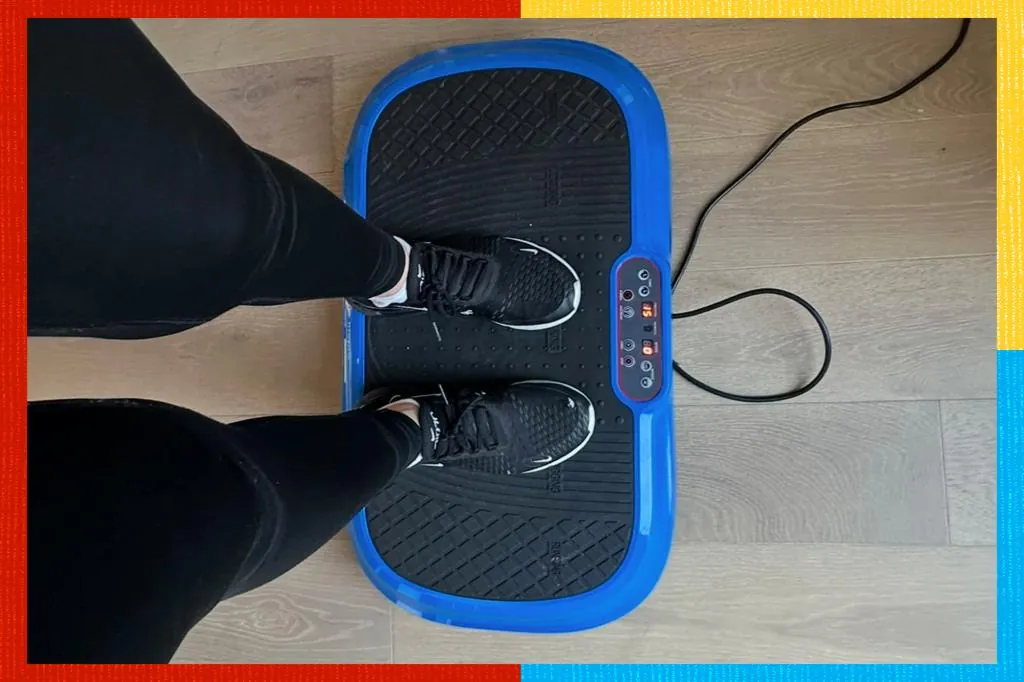
A vibration plate can still help some people — it’s a tool, not a magic box. The table below shows when the simple answer changes.
| Situation | What changes | What to do instead |
|---|---|---|
| Goal is weight loss | Burn is too low to matter | Add cardio and a calorie plan |
| You have a pacemaker | Vibration may affect the device | Ask your cardiologist first |
| Recent joint replacement | Loosening risk is real | Get clearance from your surgeon |
| You’re pregnant | Safety data is limited | Skip it until after birth |
| You have a herniated disc | Shaking can worsen symptoms | See a doctor before trying |
| You want muscle growth | Load is too light | Use weights or resistance bands |
How to use a vibration plate properly
Start with a plan, not a random stand. The steps below assume a standard home plate with adjustable speed and a 10-minute timer — if yours runs longer or has fixed settings, cut each block in half.
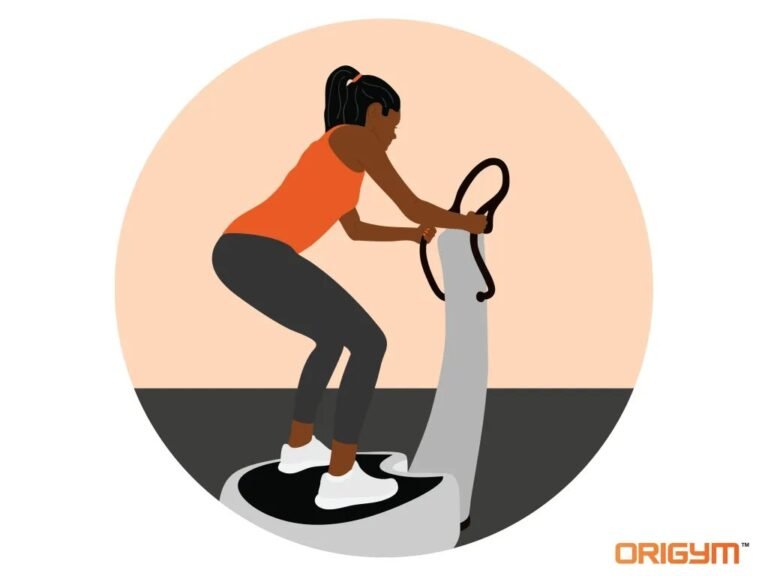
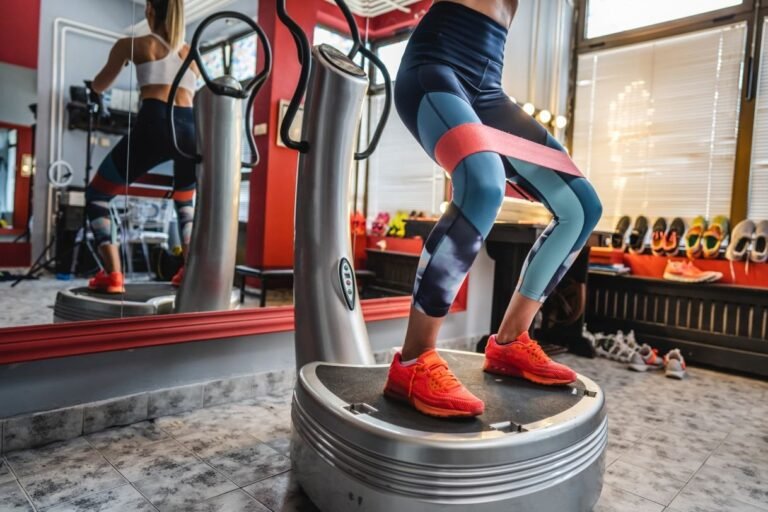
- Set the plate to its lowest speed and stand with feet shoulder-width apart for 1 minute. Your legs should feel a light buzz, not a jolt.
- Move to a speed where you can still talk in short sentences. If you can’t, drop one level.
- Do 10 bodyweight squats, going down for 2 seconds and up for 2. Stop if your knees ache.
- Hold a plank for 20-30 seconds. Check that your hips stay level — a mirror helps.
- Add 10 lunges, alternating legs, keeping your front knee over your ankle.
- Rest for 60 seconds between each move. Total session: 10-15 minutes, 3-4 days a week.
- Increase speed or time by no more than 10% each week. More isn’t better here.
- Stop at once if you feel dizzy, get a headache, or feel pain in a joint. Sit down and rest.
Mistakes that ruin vibration plate results
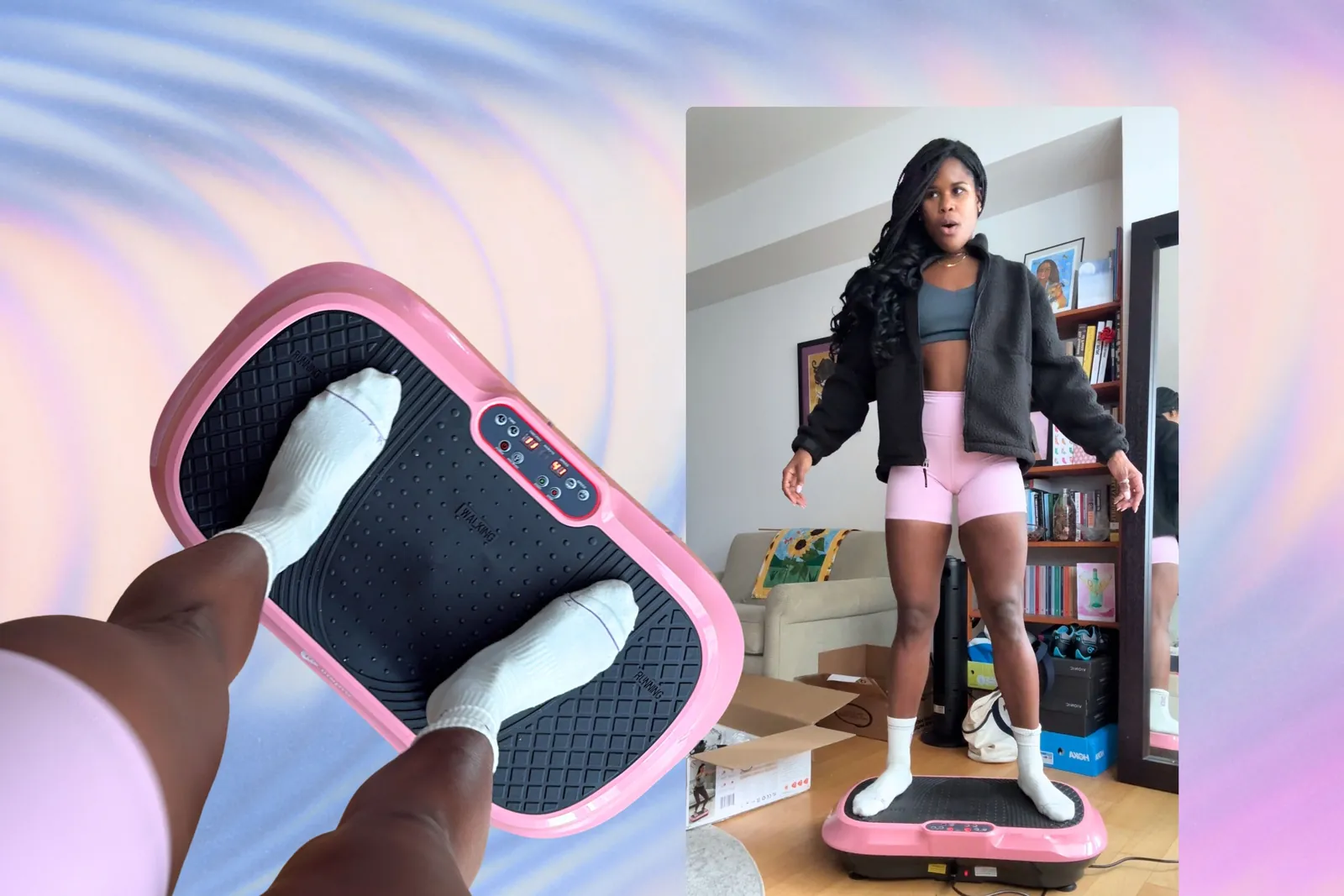
- Standing still and scrolling your phone. You’ll get a tingle, not a workout. Add movement or the session does almost nothing.
- Using the highest speed on day one. Sore joints and a headache follow. Start low and build up over weeks.
- Treating it as a replacement for the gym. It’s a supplement, not a substitute. You’ll lose strength you already had.
- Ignoring a medical condition. A pacemaker, implant or pregnancy changes the risk. Ask a doctor before you buy.
- Expecting fat loss from the plate alone. Without diet changes, the scale won’t move. Track your food instead.
Frequently asked questions
Can a vibration plate help you lose weight?
Only slightly, and not on its own. A 10-minute session burns a small number of calories — far less than a brisk walk of the same length.
How long should you use a vibration plate each day?
10 to 15 minutes, 3 to 4 days a week, is enough. If you’re new, start with 5 minutes and add 1 minute per session.
Is it safe to use a vibration plate every day?
For most healthy adults, yes — but daily use isn’t needed. If you feel joint pain or dizziness, stop.
What happens if you stand on a vibration plate for too long?
You can get sore muscles, joint pain, headaches or dizziness. The shaking can stress your joints and affect your inner ear.
Does a vibration plate really burn belly fat?
No. Fat loss happens across the whole body when you’re in a calorie deficit. The plate can tone muscle, but it won’t spot-reduce.
Why do vibration plates make you itch?
It usually fades within a few minutes. If it doesn’t, lower the speed or stop.
Can you use a vibration plate if you have a bad back?
Only with a doctor’s OK. Skip it if you have a herniated disc or recent spinal surgery.
Does it matter which vibration plate you buy?
Speed range and build quality matter more than brand. Look for a plate with at least 3 speed settings, a stable base, and a weight limit above your own.
Conclusion
The honest picture: a vibration plate is a light workout tool, not a fat-burning machine. It fits best as a 10-minute add-on for people who can’t do much else, or as a warm-up before real training. If your goal is weight loss or strength, put your money and time into cardio, weights and food first — and treat the plate as a bonus, not the plan.
I am a certified fitness coach with over 10 years of experience helping people improve their strength, endurance, and overall health. Specializes in workout programming, weight training, fat loss, muscle building, home fitness, and evidence-based nutrition.My goal is to make fitness simple and practical through well-researched guides, honest product reviews, and actionable training advice.