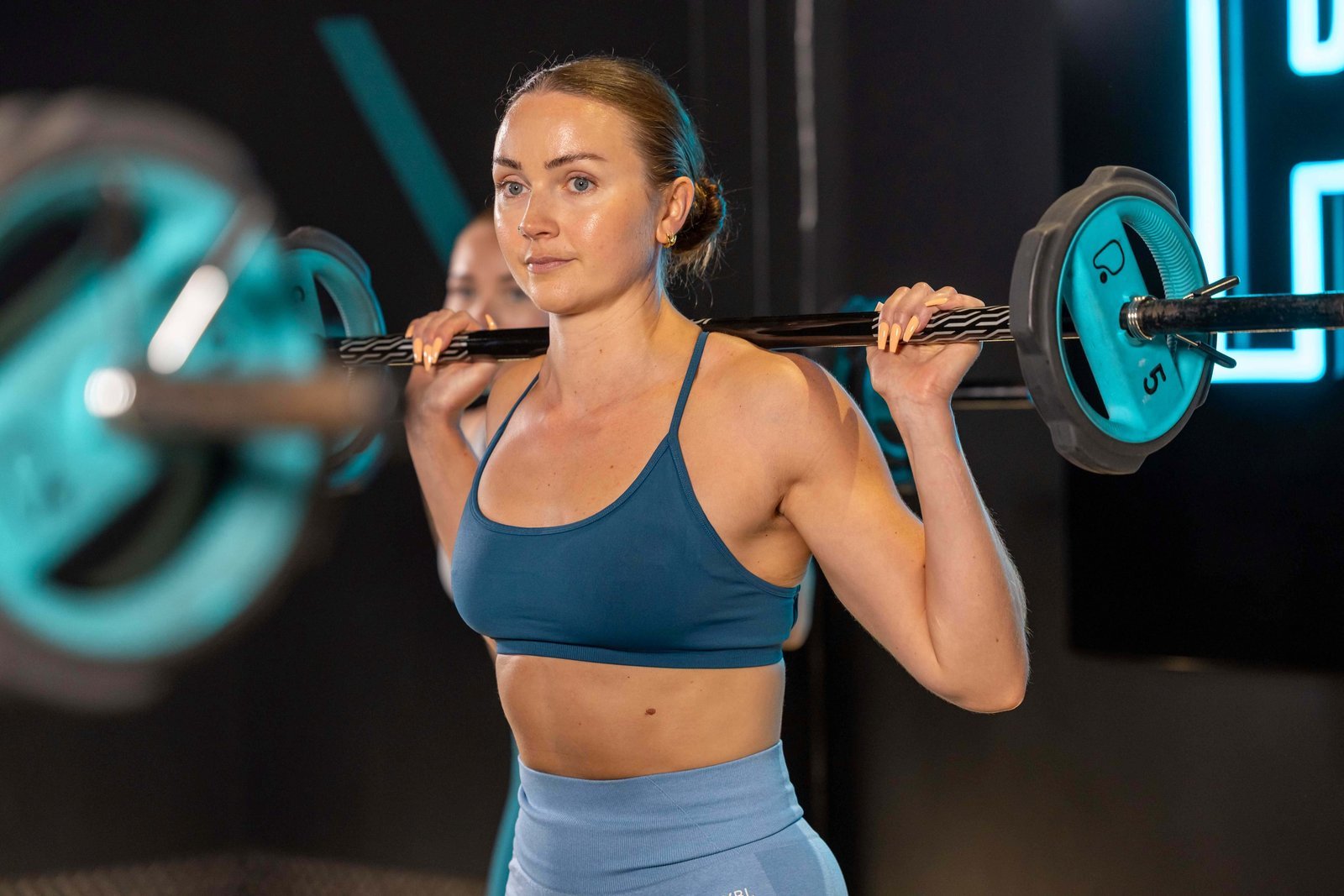
Women’s workouts work best when you train the whole body 3 to 4 times a week, mixing strength, cardio, and mobility. Strength sets of 8 to 12 reps at a weight you can control build muscle; 150 minutes of moderate cardio a week supports heart health. This guide covers the exact steps, numbers, and problems that come up.
What strength training really means
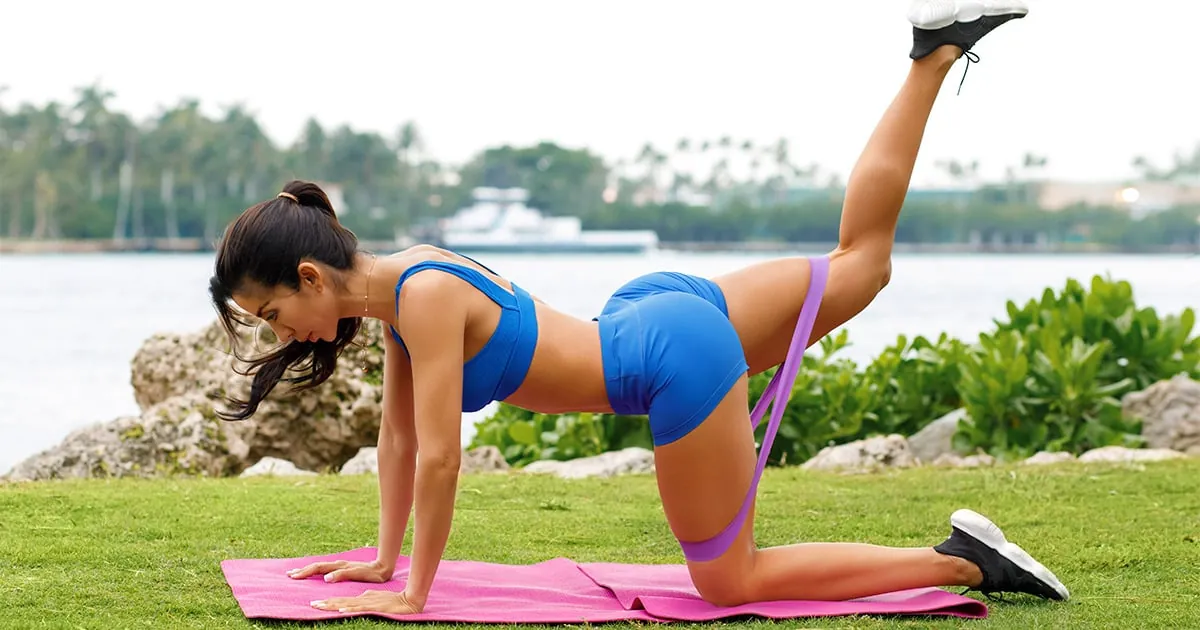
Strength training is any exercise where your muscles push or pull against resistance, like dumbbells, bands, or your own body weight. It’s used to build muscle, protect bone density, and make daily tasks easier.
The one big misconception is that lifting heavy makes women bulky. It doesn’t.
How to set up a women’s workout week
- Pick 3 to 4 training days, with rest days between them. A common split is Monday, Wednesday, Friday, plus Saturday if you want a fourth day.
- Warm up for 5 to 10 minutes. Walk, cycle, or do arm circles and bodyweight squats to raise your heart rate.
- Do 2 to 3 compound lifts first — squats, push-ups, rows, or lunges. Use a weight where the last 2 reps feel hard but not impossible.
- Do 8 to 12 reps per set, 2 to 3 sets per exercise. Rest 60 to 90 seconds between sets.
- Add 20 to 30 minutes of cardio after weights, or on separate days. Brisk walking, cycling, or swimming all count.
- Finish with 5 minutes of stretching for the muscles you worked.
- Cool down and drink water. Log what you lifted so you can add a little weight next week.
The one judgement call that matters most is when to add weight. If you finish all your sets and could still do 3 or 4 more clean reps, go up. If your form breaks down on the last rep, stay where you are.
Numbers to keep handy
These are general starting points for a healthy adult woman new to training. Adjust down if you’re returning after a long break, and up if 8 reps already feels easy.
| Situation | What to use | How long | What to watch for |
|---|---|---|---|
| Complete beginner | Bodyweight or 2–5 lb dumbbells | 20–30 min per session | Soreness for 1–2 days is normal |
| Building strength | 8–12 reps, 2–3 sets | 45–60 min | Form breaking on the last rep |
| Fat loss goal | Weights plus 150 min cardio weekly | 45–60 min | Doing cardio only, skipping weights |
| Time-crunched day | 3 compound lifts, 2 sets each | 20 min | Rushing and skipping warm-up |
| Older adult (60+) | Light weights, chair support | 30 min | Dizziness when standing up |
| Postpartum (cleared) | Bodyweight core and walking first | 15–20 min | Any pain or heaviness in the pelvic area |
What separates good results from bad ones
People who get results prepare before the first rep. They set up their space, pick their weights in advance, and know which exercise comes next.
What they check partway through
Halfway into a set, they check two things: breathing and alignment. You should be able to talk in short sentences. Knees track over toes, back stays straight, shoulders stay down.
What they leave alone
They don’t add a new exercise every week. Repeating the same 5 or 6 movements for 4 to 6 weeks is how you actually get stronger.
Common problems and quick fixes

Most issues come down to load, form, or recovery. Match what you’re feeling to the row below before you change your whole plan.
| What you notice | What it usually means | What to do first |
|---|---|---|
| Sharp joint pain | Weight too heavy or form off | Stop, drop the weight, check your setup |
| Dull soreness 1–2 days later | Normal muscle repair | Keep moving lightly, drink water |
| No progress after 4 weeks | Same weight, same reps | Add 5% weight or 1 rep per set |
| Always exhausted | Too many days, too little sleep | Cut to 3 days, add one rest day |
| Dizzy or lightheaded | Low food or water before training | Eat a small snack 1 hour before |
| Bored and skipping sessions | Same routine too long | Swap 1 or 2 exercises, keep the rest |
What the guidelines actually say
The U.S. Department of Health and Human Services publishes the Physical Activity Guidelines for Americans. It recommends adults get 150 to 300 minutes of moderate aerobic activity a week, plus muscle-strengthening work on 2 or more days. The Physical Activity Guidelines for Americans page carries the full figures and the age-specific notes.
Keeping progress going
Once you’ve built a routine, log every session. That record is what tells you when to add load. Muscle you’ve built fades slowly during a short break, so a week or two off won’t undo months of work. After a break, restart with lighter weights than you left off with and build back up. If a joint hurts for more than a few days, see a doctor.
When this plan isn’t the right fit
If you’re recovering from surgery or an injury, a physical therapist should build your plan. If you’re pregnant or postpartum, get clearance first. If you have a heart condition, uncontrolled blood pressure, or diabetes, your doctor sets the limits. A standard plan can still work later.
Frequently asked questions
How many days a week should I work out?
Three to 4 days of strength work, plus 150 minutes of moderate cardio spread across the week, is the standard starting point for a healthy adult. Fewer days still helps if you’re consistent.
Can women build muscle without getting bulky?
Yes. With less testosterone than men, women build large muscle mass slowly. Visible size takes years of heavy, high-volume training plus a calorie surplus — not a normal 3-day routine.
Is it safe to lift weights during my period?
Yes, for most women. Light to moderate training often eases cramps. Drop the intensity if you feel dizzy or unusually tired, and check with your doctor if bleeding is heavy.
How long until I see results?
Most people notice better energy and easier daily tasks in 2 to 3 weeks. Visible muscle change usually takes 8 to 12 weeks of consistent training, and it varies with age, diet, and sleep.
What should I eat before a workout?
A small snack with carbs and a little protein, about 1 hour before. A banana with peanut butter or yogurt with fruit works well. Skip heavy meals within 2 hours of training.
What happens if I skip a week?
You’ll lose a little strength, but not much. Restart with lighter weights than usual for the first session back, then build back up as you feel ready.
Do I need a gym to start?
No. Bodyweight squats, push-ups, lunges, and glute bridges cover the basics at home. Add resistance bands or a pair of dumbbells once bodyweight feels easy.
Conclusion
Start with 3 days a week, log what you do, and add weight only when the last rep feels easy. The plan that works is the one you’ll repeat next month — not the hardest one you can survive this week.
I am a certified fitness coach with over 10 years of experience helping people improve their strength, endurance, and overall health. Specializes in workout programming, weight training, fat loss, muscle building, home fitness, and evidence-based nutrition.My goal is to make fitness simple and practical through well-researched guides, honest product reviews, and actionable training advice.