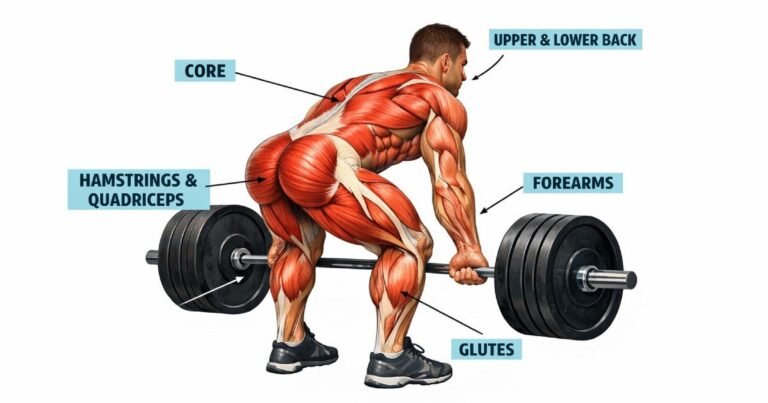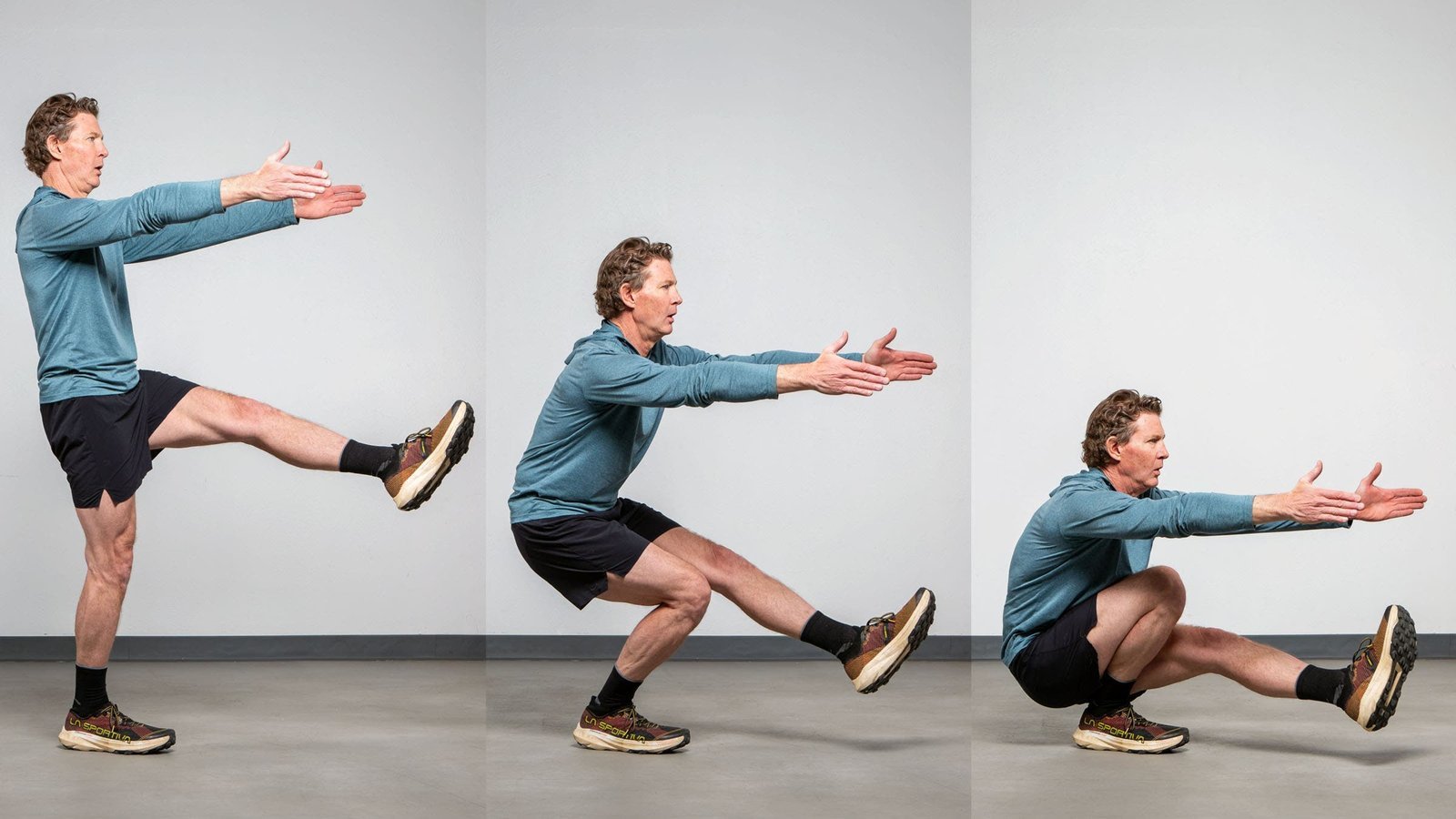
Squats work best as 3 sets of 5 reps with about 2 reps in reserve, resting 2-3 minutes between sets. Do this twice a week.
What you need before your first set
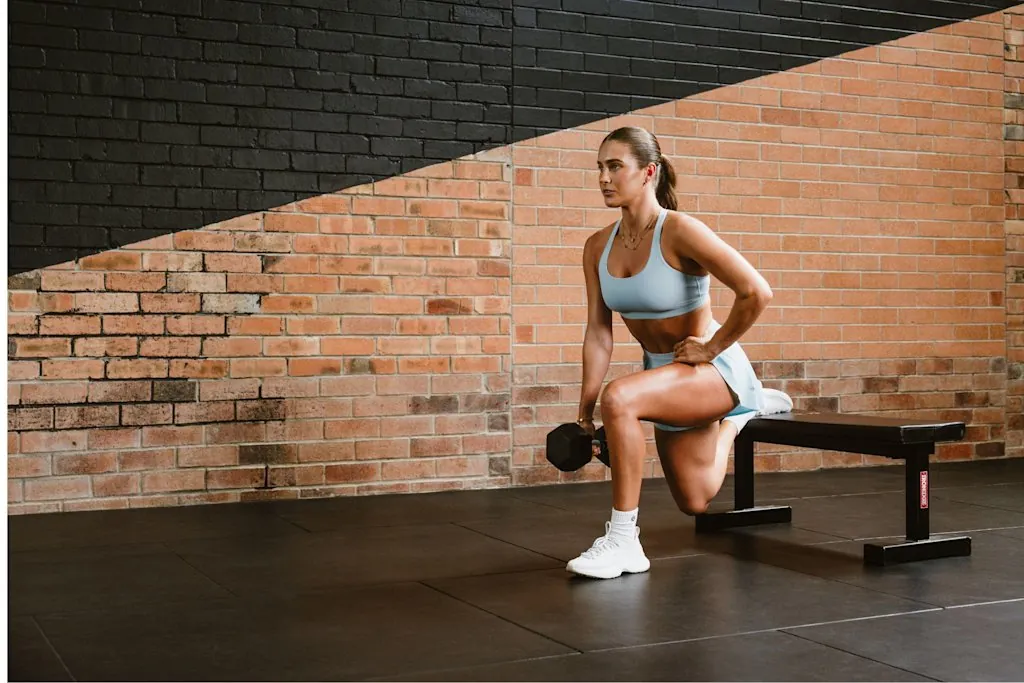
- A barbell and rack — an Olympic bar (20 kg / 44 lb) is standard; a lighter 15 kg bar works if you’re smaller or new.
- Weight plates — start with a pair of 2.5 kg (5 lb) plates and add from there.
- A squat rack or power cage — with safety pins set just below your bottom position.
- Flat shoes — hard-soled trainers or lifting shoes; running shoes with soft foam tilt you forward.
- A phone or notebook — to log the weight and reps each session.
- A clear space — about 2 m × 2 m of flat floor.
A dumbbell or kettlebell works fine if you don’t have a rack yet. A smith machine won’t teach you balance, but it can still be a useful way to train the squat pattern.
How to Do Squats Step by Step
- Set the rack. Put the bar at mid-chest height, load a light weight, and set the safety pins just below where your hips will reach.
- Get under the bar. Rest it on your upper back, not your neck. Squeeze your shoulder blades together and grip the bar just outside your shoulders.
- Stand up and step back. Take 2 steps back, feet shoulder-width apart, toes turned out slightly.
-
Brace and descend. Take a breath, hold it, and push your hips back and down over 2-3 seconds until your thighs are at least parallel to the floor. Tip: If your heels lift, your stance is too narrow — widen it by 5 cm (2 in) and try again.
-
Drive up. Push through your whole foot and stand up in 1-2 seconds, breathing out near the top. Careful: If your lower back rounds at the bottom, you’ve gone too deep for that weight. Reduce the weight and cut the depth until your back stays flat.
-
Rack the bar. Step forward, feel the uprights, and set the bar down. Never turn around with the weight on your back.
- Rest 2-3 minutes. Then repeat for 3 sets of 5. Add 2.5 kg (5 lb) next session if all 5 reps felt solid.
If you have a heart condition, uncontrolled blood pressure, or a recent back or knee injury, get cleared by a doctor before loading a bar.
How the work changes with your situation
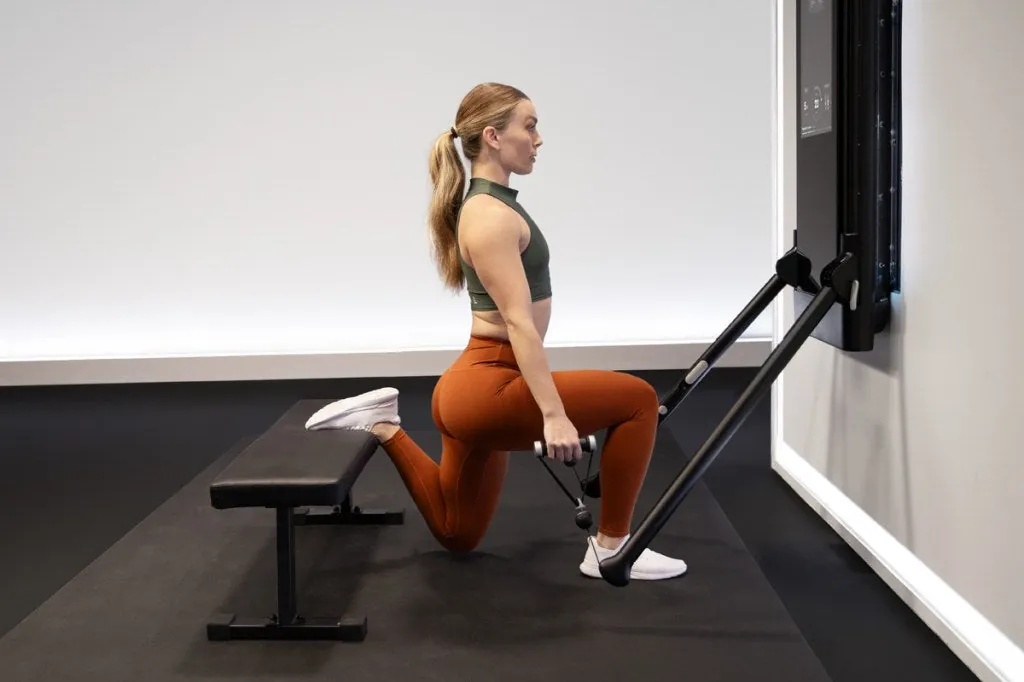
The numbers below assume a healthy adult with no injury.
| Your situation | Time per session | What’s different | What to watch |
|---|---|---|---|
| Total beginner, empty bar | 20-25 min | Learn the pattern first | Knee and hip position |
| Training 6+ months | 35-45 min | Heavier loads, longer rests | Lower back rounding |
| Older adult (60+) | 25-30 min | Lighter load, slower tempo | Balance and heel lift |
| Returning after a break | 30-35 min | Drop the weight 10-20% | Soreness lasting past 3 days |
| Home setup, dumbbells only | 20-30 min | One arm at a time | Even left-right effort |
Starting lighter than you think is safer than overshooting — a strained back can cost you weeks.
Checking your form
A good squat looks controlled: chest up, back flat, knees tracking over your toes, and the bar moving in a straight line.
Three things prevent it: filming one set from the side, keeping 2 reps in reserve on every set, and adding weight only when all reps feel smooth. The CDC’s physical activity guidelines recommend muscle-strengthening work on at least 2 days a week for adults.
Rules to follow and what comes after
The standard here comes from the CDC: at least 2 days a week of muscle-strengthening activity for adults. Leave about 48 hours before training legs hard again so the muscle can recover.
Other ways to train the same movement
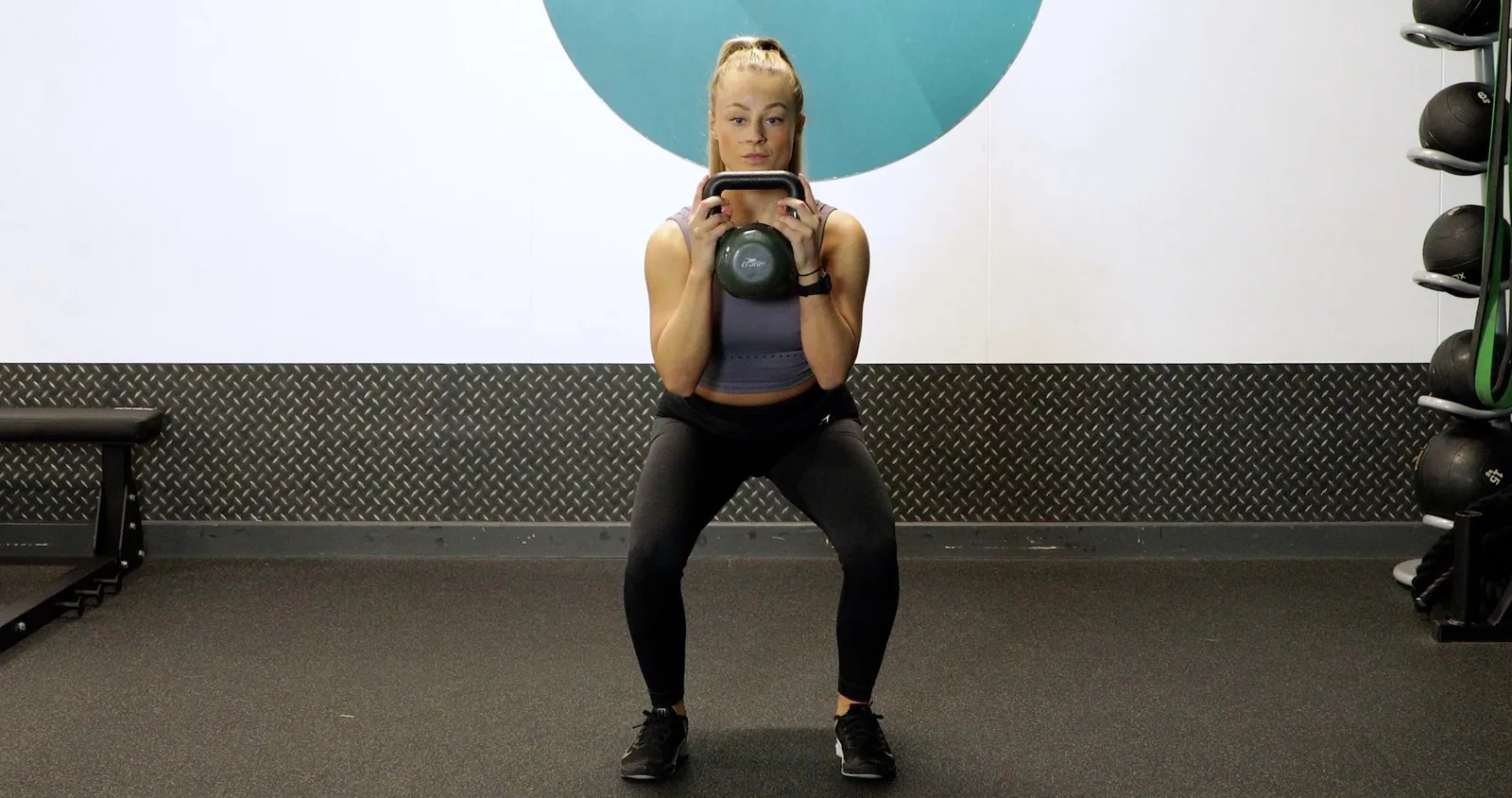
Goblet squat with one dumbbell
You hold a dumbbell at your chest. This is easier to learn and needs no rack, but the weight caps out fast, so it suits beginners and home training.
Box squat to a bench
You sit back onto a bench, then stand. It teaches depth and control, and it’s useful if you lose your balance, though it changes the movement slightly.
Front squat with the bar on your shoulders
The bar rests on your shoulders. It shifts work to your quads and upper back, but it needs more wrist and ankle mobility, so it’s harder to learn.
Frequently asked questions
How many squats should I do a day?
For strength, 3 sets of 5 reps, twice a week. For general fitness, 2-3 sets of 8-12 reps is enough.
How long does it take to see results?
Strength usually improves within 4-6 weeks, and visible muscle change takes longer. The exact pace depends on your starting point, food, sleep, and how hard you train.
Is it safe for your knees?
Yes, when the weight matches your strength and your knees track over your toes. Sharp pain means stop and get it checked.
What happens if I use bad form?
You risk a strained lower back or sore knees, and you’ll lose weeks of training. Film one set from the side, keep 2 reps in reserve, and lower the weight until the form holds.
Can I do squats every day?
No. Your legs need about 48 hours to recover between hard sessions. Bodyweight squats at low effort are fine daily, but hard loaded training every day leaves little room for recovery.
Why do my heels lift off the floor?
Your stance is usually too narrow, or your ankles are stiff.
Conclusion
Start with the empty bar, learn the pattern, and add a little weight each week. Consistency over months beats one hard session, and your form is the thing worth protecting most.

I am a certified fitness coach with over 10 years of experience helping people improve their strength, endurance, and overall health. Specializes in workout programming, weight training, fat loss, muscle building, home fitness, and evidence-based nutrition.My goal is to make fitness simple and practical through well-researched guides, honest product reviews, and actionable training advice.