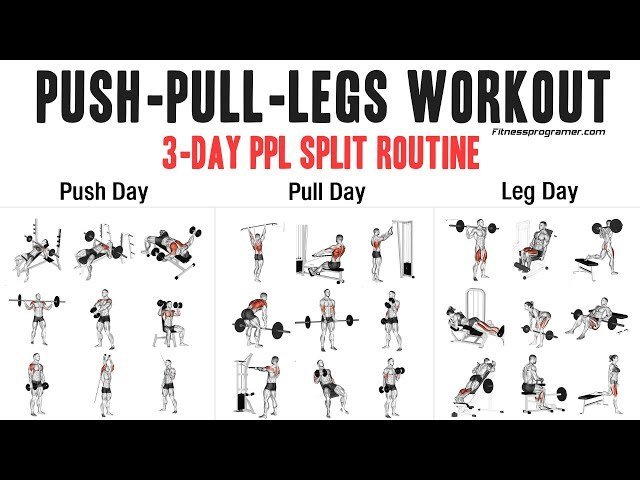
Push pull legs (PPL) is the best split for most people who can train 6 days a week, because it groups muscles by movement and keeps each session short. If you can only train 3 days a week, a full-body routine wins instead.
Push pull legs methods compared
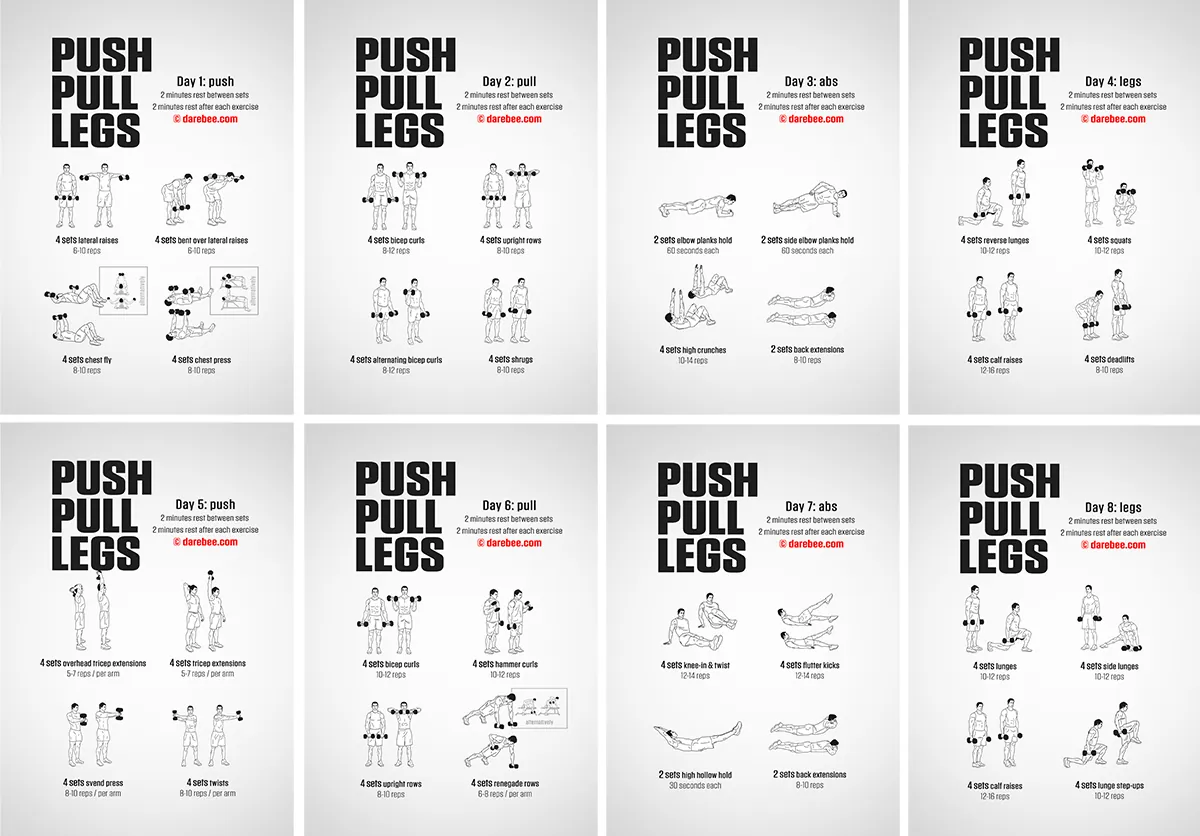
PPL comes in a few versions, differing in training frequency and time needed. Pick the one that matches your weekly schedule, not the one that sounds hardest.
| Method | How long | Effort | Cost | Best for |
|---|---|---|---|---|
| 6-day classic PPL | 45-75 min | High | Low | People with 6 free days |
| 3-day PPL | 50-80 min | Medium | Low | Busy schedules |
| Upper/lower PPL hybrid | 60-90 min | High | Low | Strength focus |
| PPL with a coach | 60-90 min | Medium | High | Beginners who want form checks |
Check your gym’s own class or coaching prices before you commit to the paid option.
How the 6-day push pull legs split works
This is the version most people mean when they say PPL. You train 6 days and rest 1, and each muscle gets hit twice a week.
- Day 1 and 4 — push: bench press 3 sets of 5-8 reps, overhead press 3 sets of 8-10, triceps work 3 sets of 10-15.
- Day 2 and 5 — pull: row 3 sets of 6-10, pull-up or lat pulldown 3 sets of 8-12, curls 3 sets of 10-15.
- Day 3 and 6 — legs: squat 3 sets of 5-8, Romanian deadlift 3 sets of 8-10, calf raise 3 sets of 12-15.
- Day 7 — rest, or light walking only.
It’s great for volume and it keeps sessions focused. The weakness is the time cost: miss two days and your week falls apart. The CDC physical activity guidelines recommend at least 2 days of muscle-strengthening work weekly.
Running push pull legs three days a week
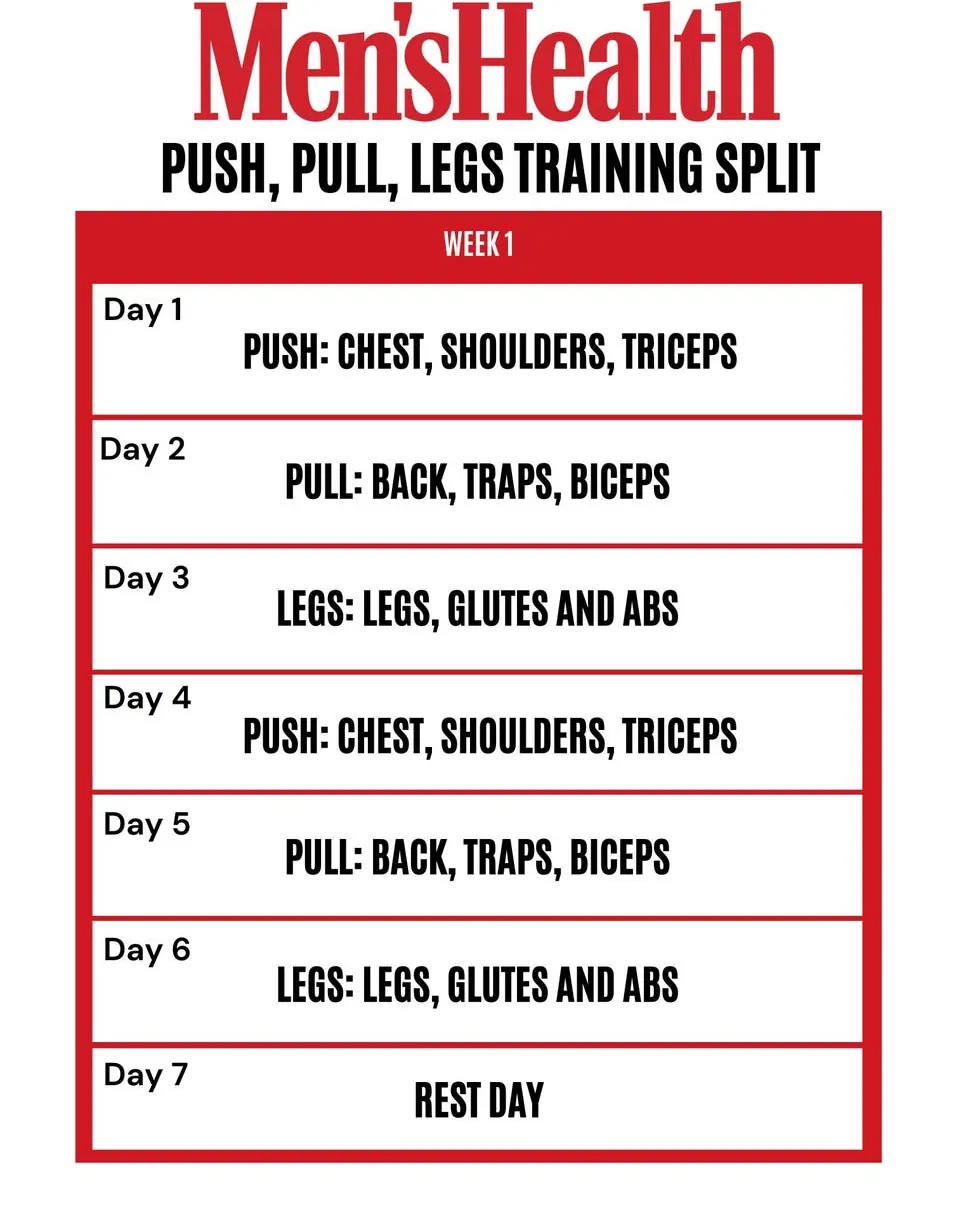
If 6 days isn’t realistic, you can still use the same movement pattern. You just rotate it instead of doubling it.
- Week 1 — Monday push, Wednesday pull, Friday legs.
- Week 2 — Monday pull, Wednesday legs, Friday push, and keep rotating.
- Keep 3-4 sets of 6-12 reps per exercise, and add one set weekly if you recover well.
- Rest at least one full day between sessions.
The upside is that each session is short and easy to fit around work. The downside is frequency: each muscle gets trained roughly once every 5-7 days, so progress is slower.
The upper/lower hybrid option
A hybrid mixes PPL movements into upper and lower days, which suits lifters chasing strength over size. You train 4 days a week.
- Day 1 — upper push focus: bench press 4 sets of 3-5 reps, overhead press 3 sets of 6-8.
- Day 2 — lower: squat 4 sets of 3-5, Romanian deadlift 3 sets of 6-8.
- Day 3 — upper pull focus: row 4 sets of 5-8, pull-up 3 sets of 6-10.
- Day 4 — lower plus accessories: front squat 3 sets of 6-8, leg curl 3 sets of 10-12.
It’s strong for heavy lifting and gives more recovery between hard sessions. The weakness is that it’s less balanced for pure size.
Which push pull legs version fits you?
If you’re short on time: the 3-day rotation wins. Three sessions of 50-80 minutes beat six sessions you’ll skip.
If it’s your first time lifting: the coached version is the safer pick. A trainer checking your squat and bench form prevents the injury that costs you months.
Rules that apply to every version
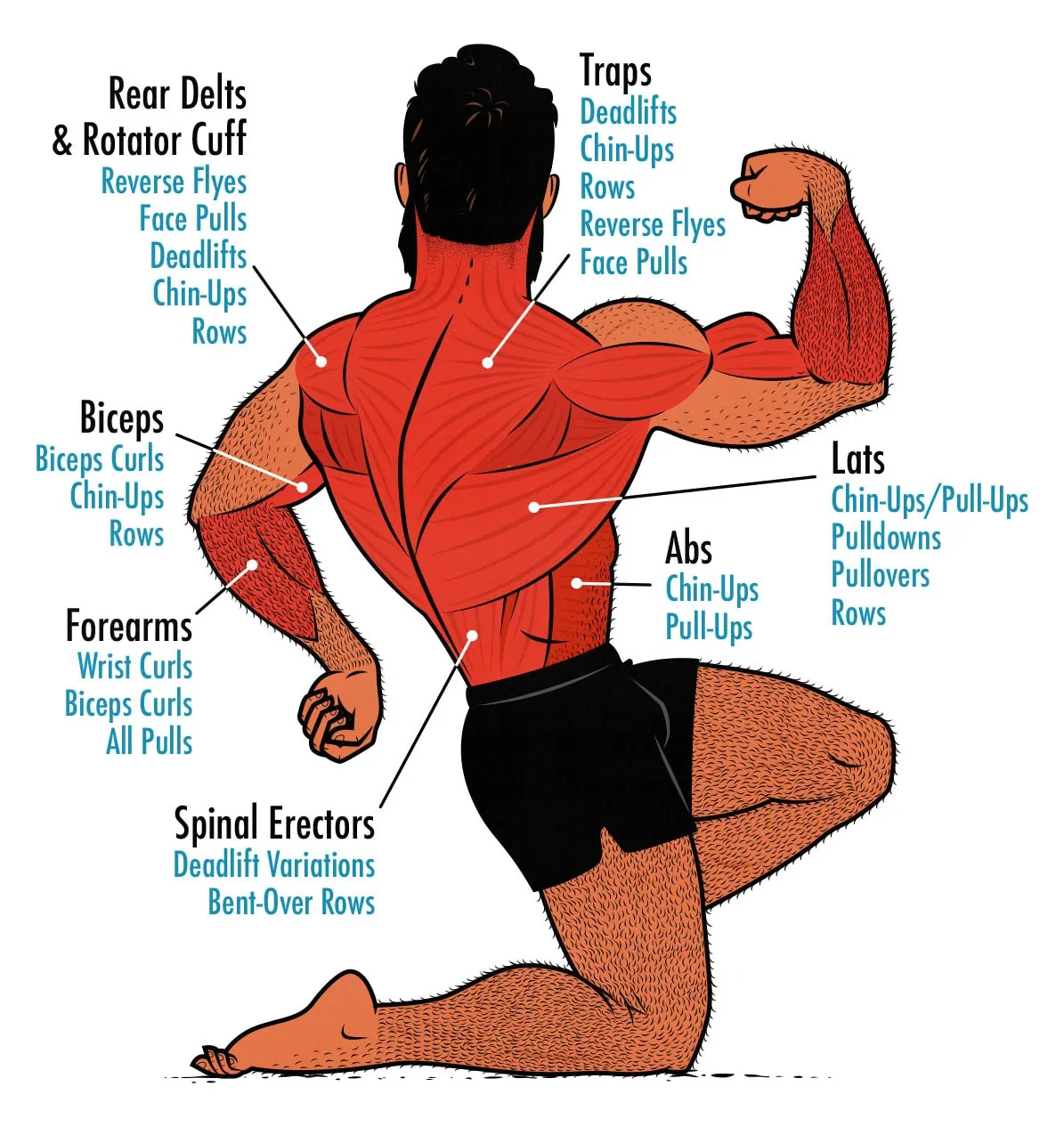
Whichever version you pick, some things stay the same. Progressive overload matters more than the split — add weight or reps over time. Sleep 7-9 hours a night, since recovery happens outside the gym.
Prepare first: write your week down before Monday. If your reps drop for 2 sessions in a row, cut one set. At the end of each 6-8 week block, take a lighter week at about half your usual sets.
If you have a heart condition, a recent injury, or you’re pregnant, talk to a doctor before starting. A physiotherapist handles joint pain; a doctor handles anything else.
Frequently asked questions
How many days a week should I do push pull legs?
Six days for the classic version, or three days if you rotate it. Six days suits people with full recovery and free time; three days suits everyone else and still builds muscle.
Can beginners do push pull legs?
Yes, but start with the 3-day rotation. Three days leaves room to learn form before adding volume.
How long does each push pull legs workout take?
About 45-75 minutes for the 6-day version and 50-80 minutes for the 3-day version. Fewer sets means a shorter session.
Is push pull legs safe?
Yes, for healthy adults with good form. The main risks are joint strain from too much volume too fast and lower back strain from poor deadlift technique. Stop and see a doctor if pain lasts more than a week.
What happens if I miss a day on PPL?
Nothing serious — just shift the rotation forward instead of doubling up. Doubling sessions to catch up adds fatigue and raises injury risk.
Why do push pull legs splits work better than a bro split?
Because each muscle gets trained twice a week instead of once. Higher weekly frequency means more total volume per muscle, and volume drives growth for most lifters.
Can I do push pull legs with only dumbbells?
Yes. Swap the barbell bench for dumbbell press, the row for dumbbell rows, and the squat for goblet squats. Keep the same 3-4 sets and 6-12 rep range.
Conclusion
Pick the version you’ll actually show up for, run it for 8 weeks, and track your weights. The split matters far less than the consistency behind it.
I am a certified fitness coach with over 10 years of experience helping people improve their strength, endurance, and overall health. Specializes in workout programming, weight training, fat loss, muscle building, home fitness, and evidence-based nutrition.My goal is to make fitness simple and practical through well-researched guides, honest product reviews, and actionable training advice.